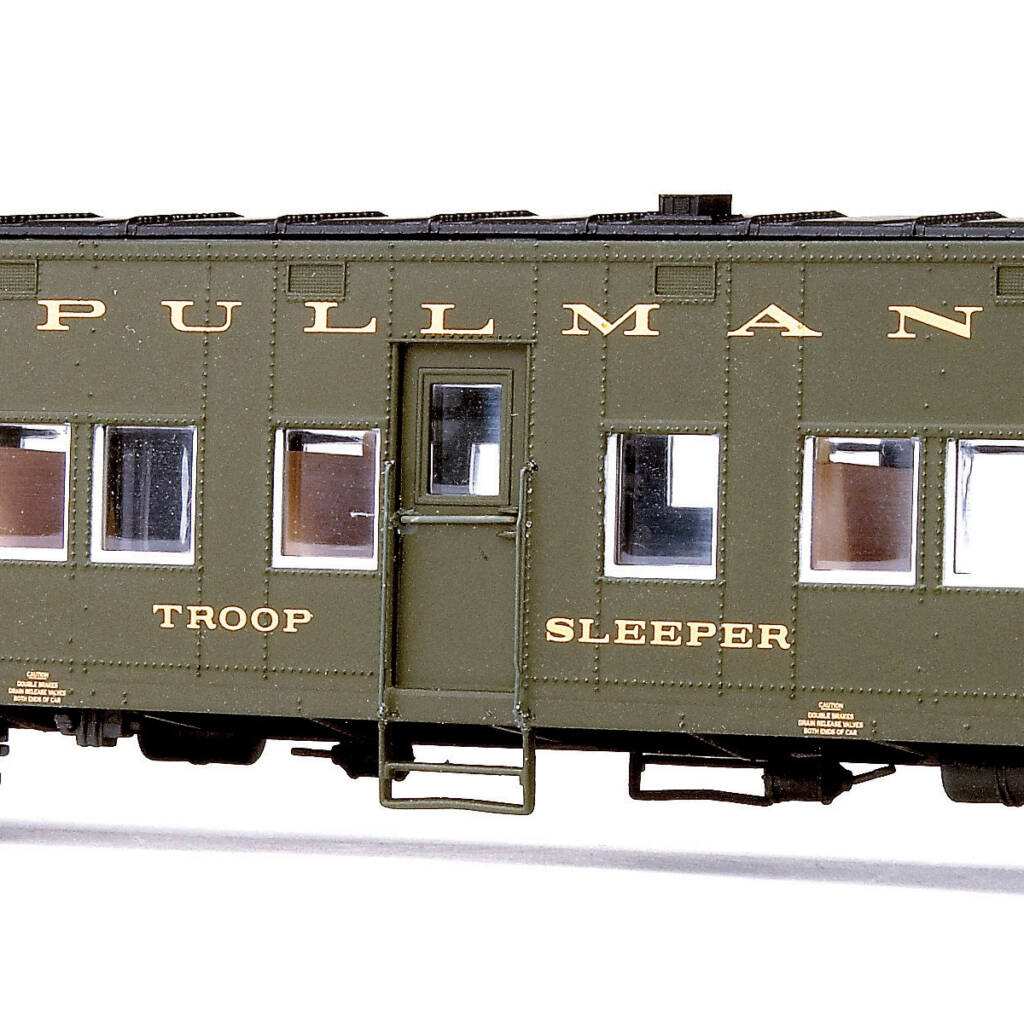
Q: While thinking through the operating scheme for my World War II-era (1944) model railroad, I wondered where troop trains sat in timetable priority. Obviously they were extras, but were they bumped up in priority to first class due to the war effort? — Callum Day A: I reached out to our former On Operation […]
Read More…
Dive into the rich history of the Atlas Model Railroad Company with General Manager Matt Moceikis and Sales Manager Ross Medine. Discover how this 100-year-old New Jersey institution evolved from a 1920s tool and die shop into a manufacturing leading manufacturer of in model railroad track, locomotives, and rolling stock. Get the exclusive scoop on […]
Read More…
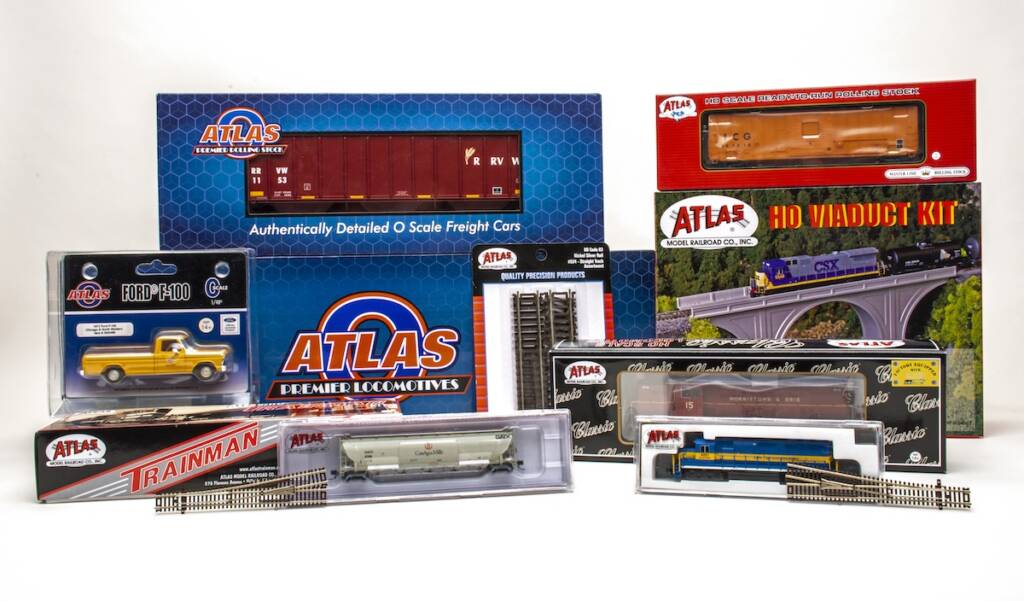
Though its history is tied to track, the product line for Atlas Model Railroad Co. has grown and diversified from Z to O scale. General Manager Matt Moceikis and Sale Manager Ross Medine joined Model Railroader and Classic Toy Trains editors Eric White and Rene Schweitzer to discuss what’s in store for the future of […]
Read More…
Atlas Model Railroad Co. has announced the acquisition of “substantially all assets” of Micro-Trains Line Co., a manufacturer of N and Z scale model trains and couplers based in Talent, Ore. This acquisition, announced on Nov. 19, 2025, marks a significant development in the U.S. hobby industry. As part of the agreement, Atlas assumes ownership […]
Read More…
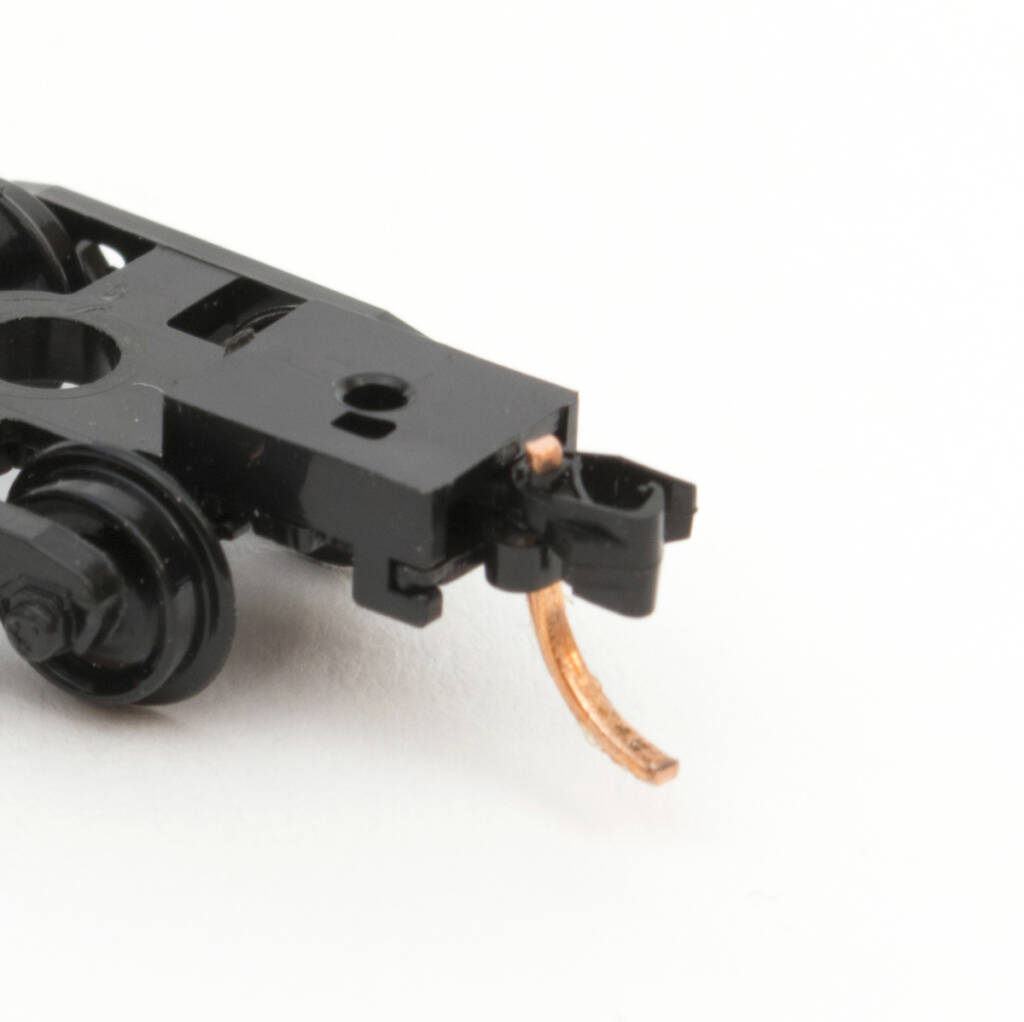
Q: I have gone to train shows and garage sales and bought many N scale cars with all sorts of different couplers. I am trying to create my own standard and stick with the majority of people with N scale rolling stock. I know there are many vendors out there. Can you help me sort […]
Read More…
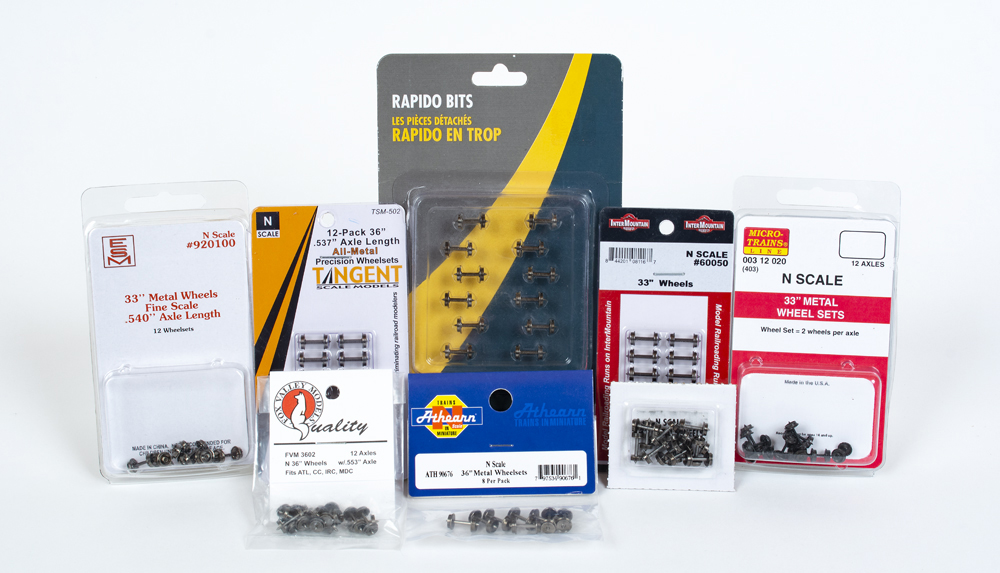
Q: I have some N scale cars from Micro-Trains. Recently, I swapped out the factory-installed plastic wheelsets with metal wheelsets, but now the cars don’t roll freely. What can I do to fix this? — Kelly Walton-Harper A: Metal wheelsets aren’t one-size-fits all. The first thing you’ll want to check is wheel size, as it’s […]
Read More…
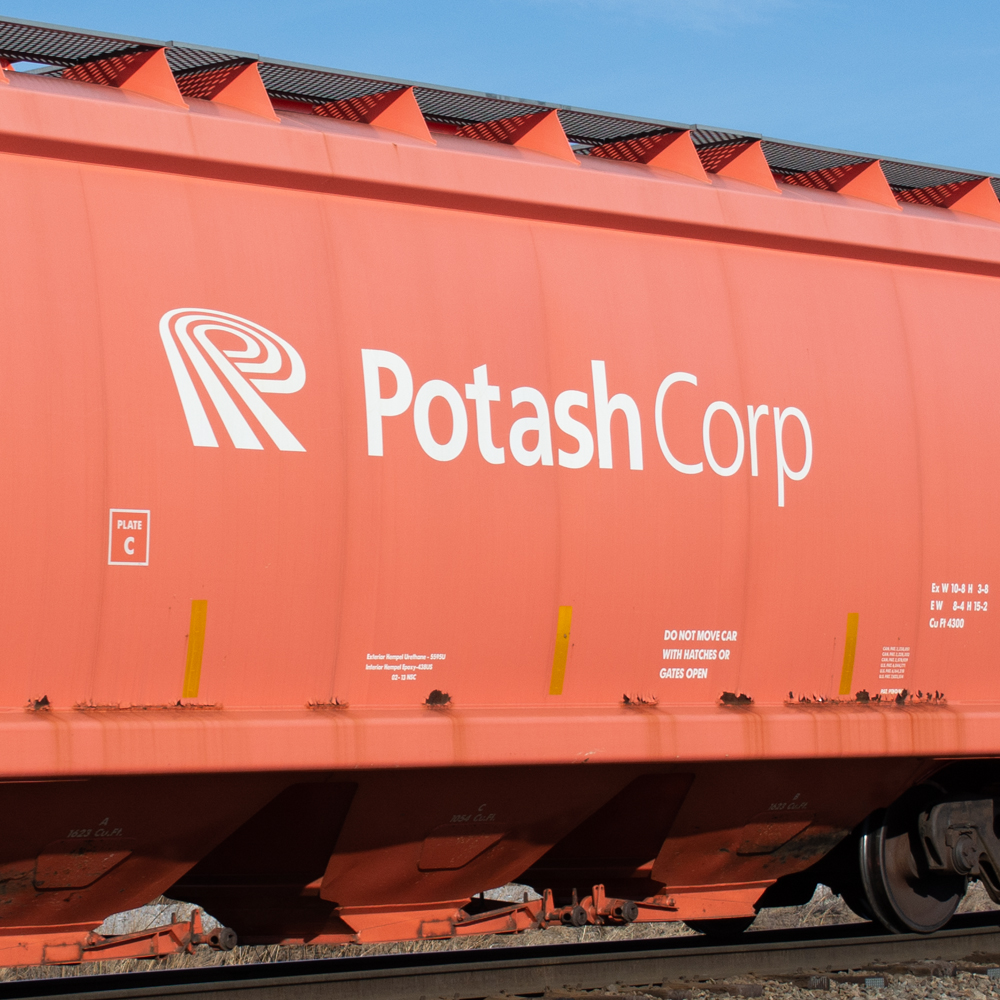
Q: I have a question about one of the articles in your special issue Best of Industries. On page 16, Rich Cobb wrote about a fertilizer blend plant. Can you tell me what kind of loads a plant like this would receive? — Markus Russ A: We released that special-interest publication in 2021, so I […]
Read More…
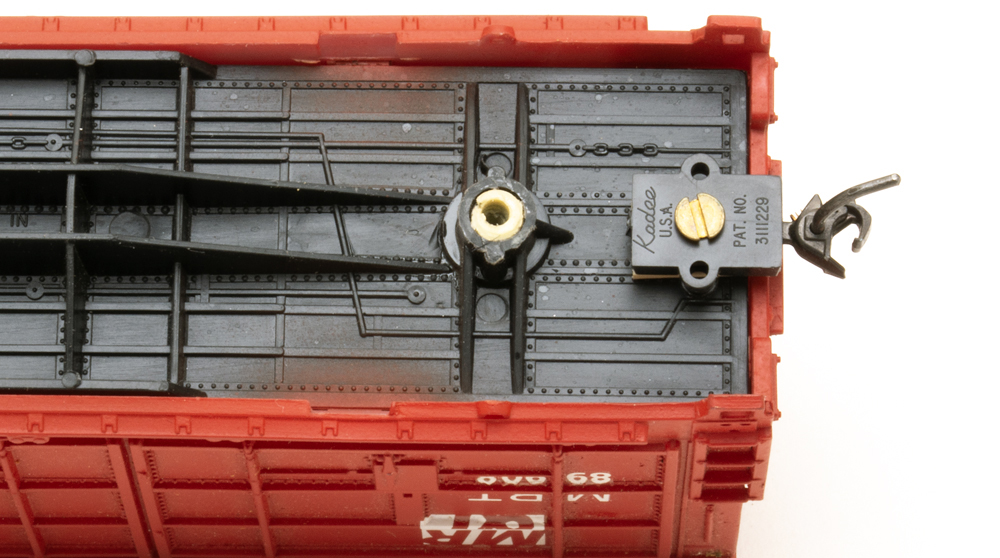
Q: Was there ever an article on converting old railcars to accept modern trucks and couplers? I have a few HO Tyco cars that need to be converted. — Jason Trew A: Jim Kelly and Andy Sperandeo co-authored “Kadee couplers” in the May 1981 issue of Model Railroader. The article covered both N and HO […]
Read More…
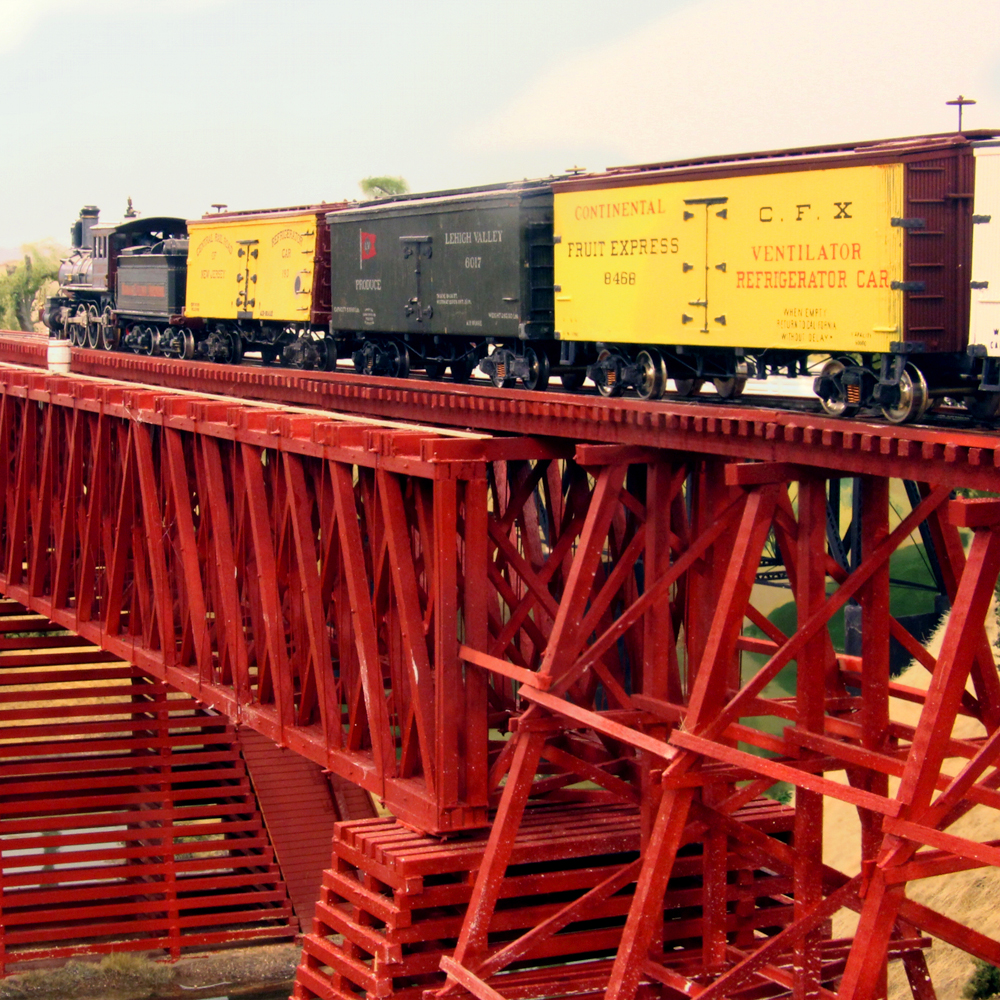
Q: Many of Model Railroader’s articles, reviews, and advertisements focus on products representing the “modern” era, say the 1940s to the present. That’s OK, and much of your audience obviously enjoys modeling contemporary railroading. However, I’m interested in modeling the railroad industry as it was in the 19th century. Can you suggest the names of […]
Read More…
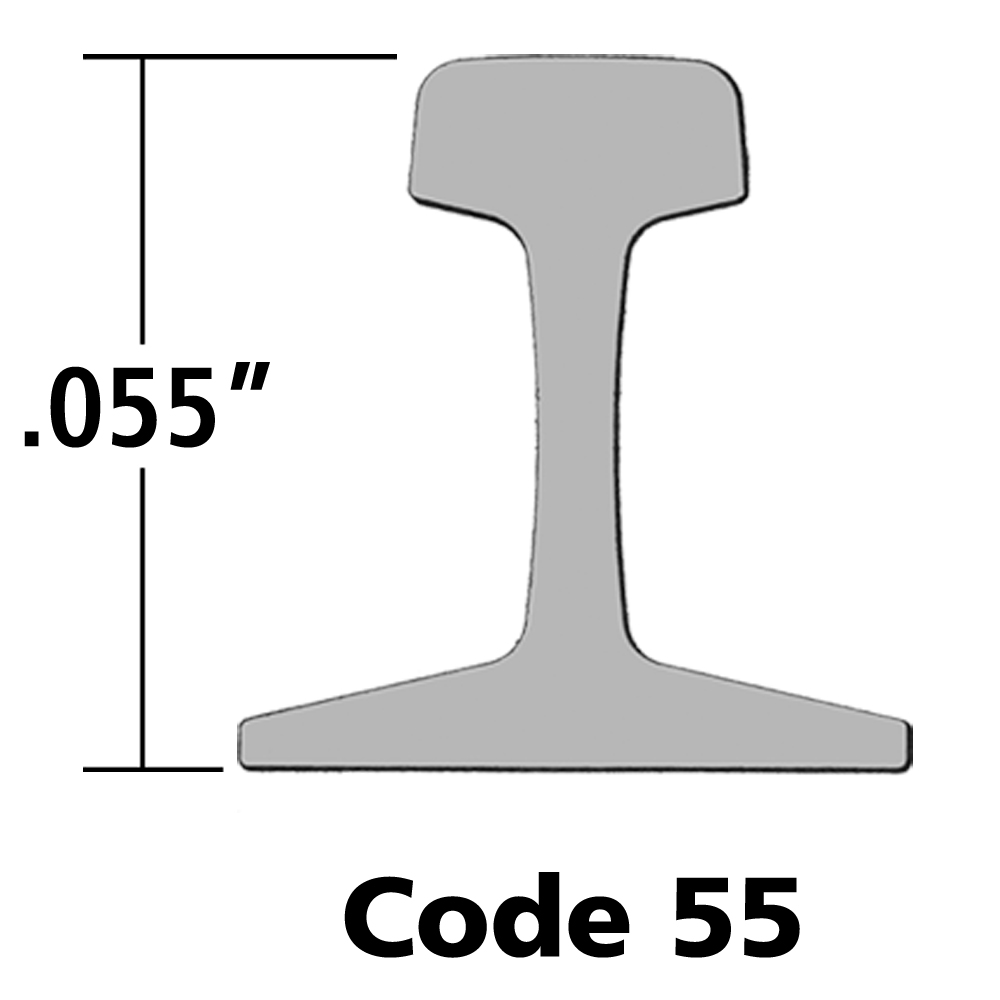
Q: I will be starting my first model railroad soon, a small N scale layout. I want to use code 55 track, but I’ve read mixed reviews about it. Do you have any suggestions, or should I stick with code 80 track? — Damien Bouchey A: When shopping for N scale track, you’ll see it […]
Read More…
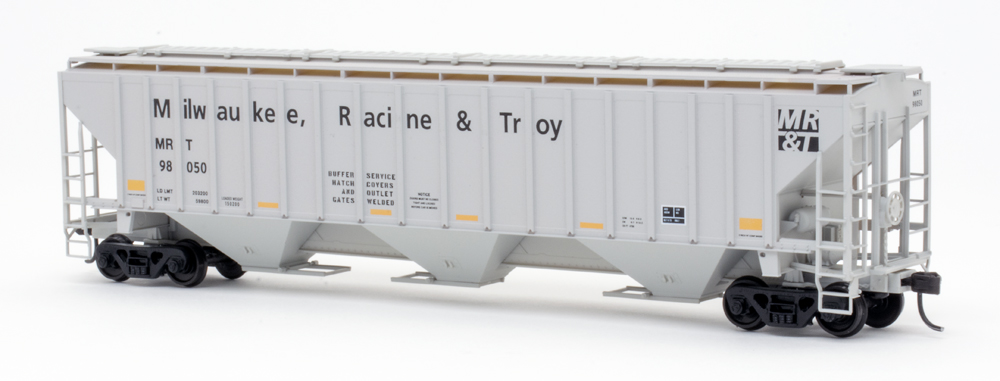
Q: Although I’m an N scale modeler, I read the review of the Milwaukee, Racine & Troy HO scale buffer car on Trains.com. Reading the description brought up a question. Do railroads designate cars to dedicated buffer service? If so, how are these cars identified as used in buffer service only? — Perry A. Pollino […]
Read More…
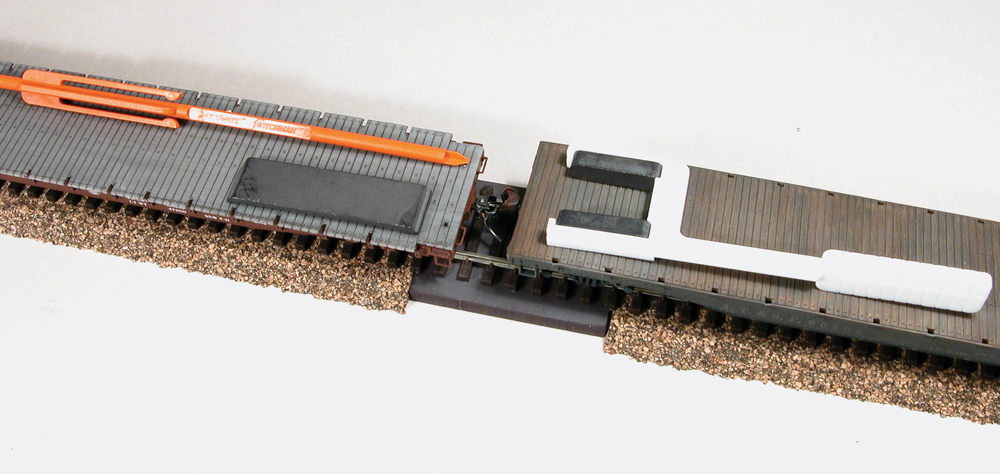
Automatic knuckle couplers have been a part of model railroading for more than 60 years. Not only do these couplers look more like what you see on full-size locomotives and freight cars, they’re easy to install and use. You can learn more about them in my articles on HO and N scale couplers on Trains.com. […]
Read More…