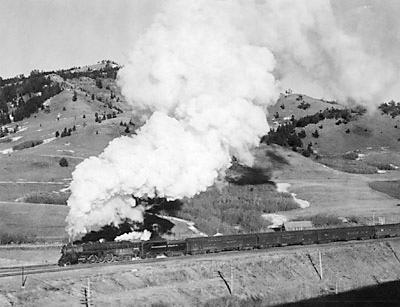
With the general speed-up of passenger train schedules in the 1920s, the need arose for a more powerful version of the 4-8-2. Although it had adequate adhesion, the 4-8-2 lacked the raw horsepower to accelerate a heavy train coming out of a sag or after rounding a curve. Lima Locomotive Works had shown the world […]
Read More…
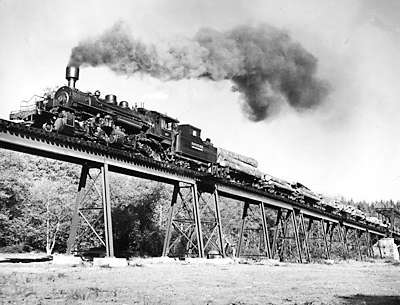
In the 1890s, the Gotthard Railway in Switzerland operated the first Mallet locomotives. They were compound articulated locomotives developed by, and named for, Swiss engineer Anatole Mallet. A Mallet locomotive has two engines, which are independently mounted on an articulated frame. A high-pressure engine is located at the rear. Steam exhausted from it is conveyed […]
Read More…
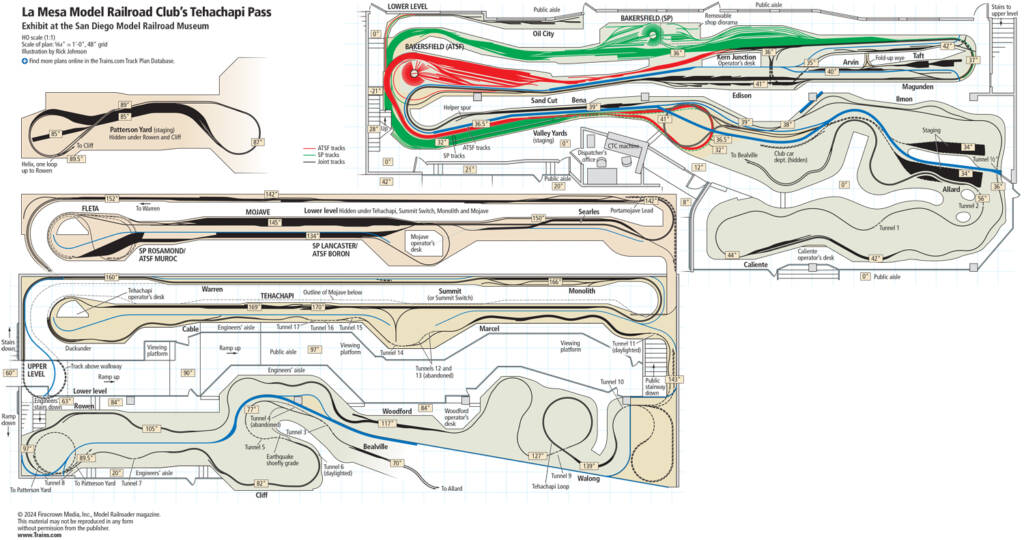
Many of us dream of a model railroad empire on a massive scale. While the time, space and resources required usually dictate whether or not that dream becomes a reality, it never hurts to be inspired. Whether you’re daring to dream or have what you need to dare yourself, explore these monster track plan recommendations! […]
Read More…
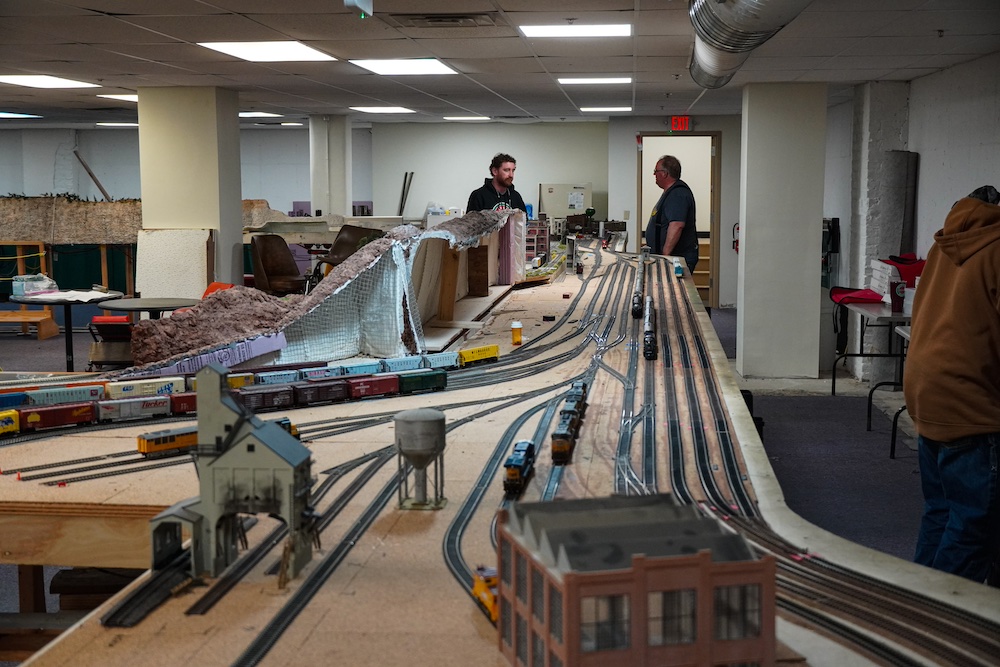
For as long as there has been model railroading, there have been model railroad clubs. Many of these groups and organizations, with some dating back to the 1930s, remain active today with well-established roots to weather the highs and lows. While the world has changed significantly, starting an all-new club from scratch is still possible. […]
Read More…
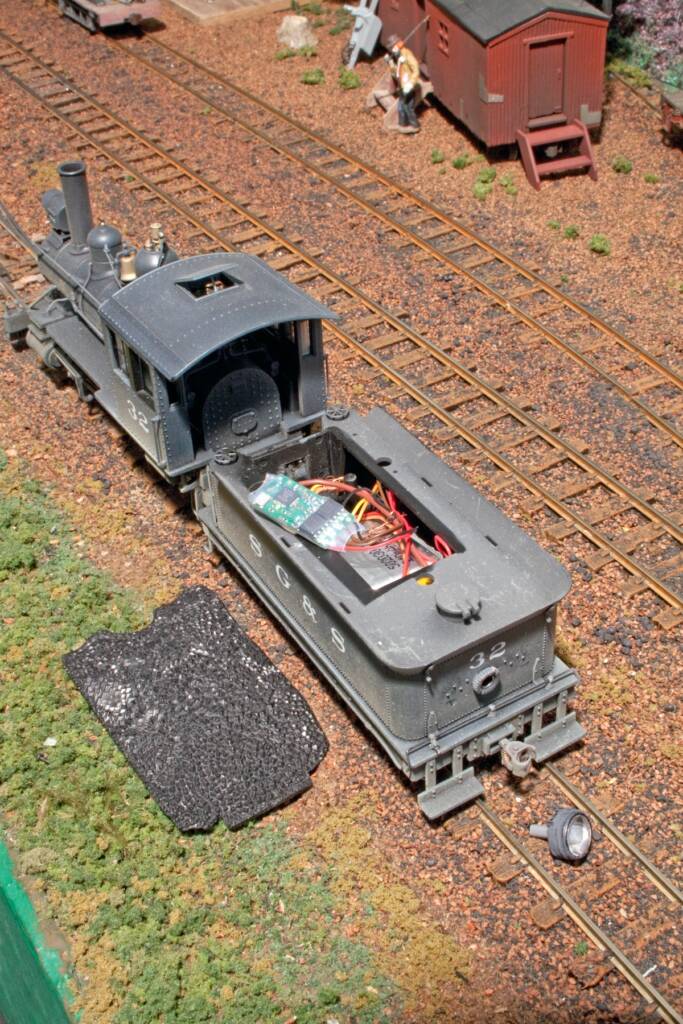
“Dead Rail” or “Power on Board” — no matter what you call it, the concept is the same: a model locomotive that carries its own power source. This eliminates the need for alternating or direct current track power, along with multiple headaches such as short circuiting, dead frogs, and dirty rails. Rechargeable batteries have become […]
Read More…
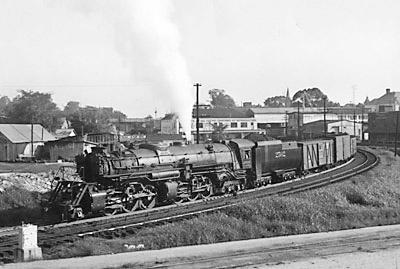
During the latter half of the 1920s the single expansion articulated locomotive had evolved into a very capable machine. It could lug a heavy train over mountain grades, and in flat terrain it could run at the same speed as a 2-8-2. But railroad locomotive superintendents grappled with an unanswered question. Could a simple articulated […]
Read More…
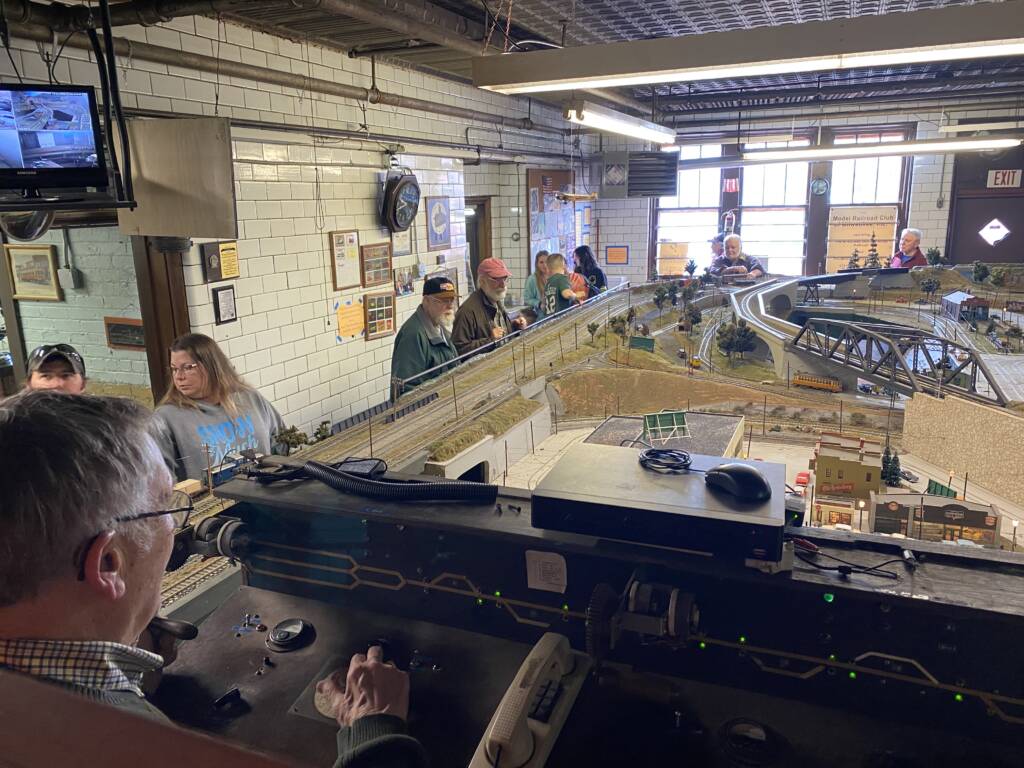
Milwaukee and model railroading share deep, historic ties. Model Railroader Magazine, Wm. K. Walthers, Inc., and the National Model Railroad Association all had their humble beginnings in the beer city. This rich heritage has fostered a healthy and diverse group of model railroad clubs throughout Southeast Wisconsin that are still active today. Finding these clubs […]
Read More…
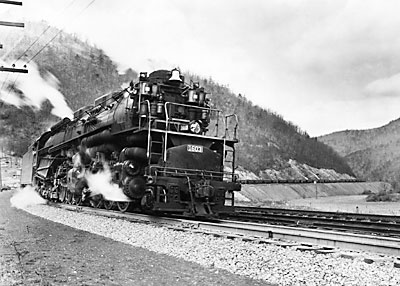
In 1940, the Chesapeake & Ohio needed new locomotives to meet a burgeoning demand for transportation. Its biggest engines were a fleet of single expansion 2-8-8-2s, purchased in the mid-1920s to haul coal on its line across the Alleghenies, where tunnel clearances prevented the use of anything larger. In the 1930s, C&O embarked on rebuilding […]
Read More…
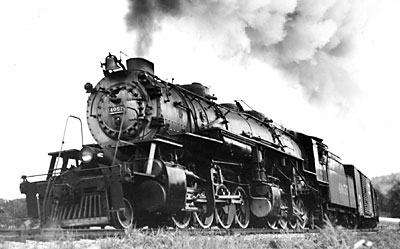
A scant three years after Alco introduced the Mallet to America (with the delivery of B&O’s sole 0-6-6-0 in 1904), the Erie took delivery of three camelback 0-8-8-0 Mallets – the first eight-coupled Mallets, also built by Alco – and put them to work as helpers on Gulf Summit in New York state. In 1909, […]
Read More…
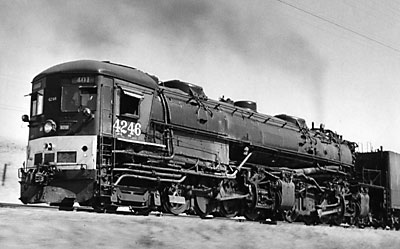
In 1928, the Northern Pacific went shopping for a locomotive that could eliminate doubleheading on the eastern end of its Yellowstone Division between Mandan, N.Dak., and Glendive, Mont. NP’s line through the Badlands had a series of long grades in both directions that made helpers impracticable and had long been one of the railroad’s operational […]
Read More…
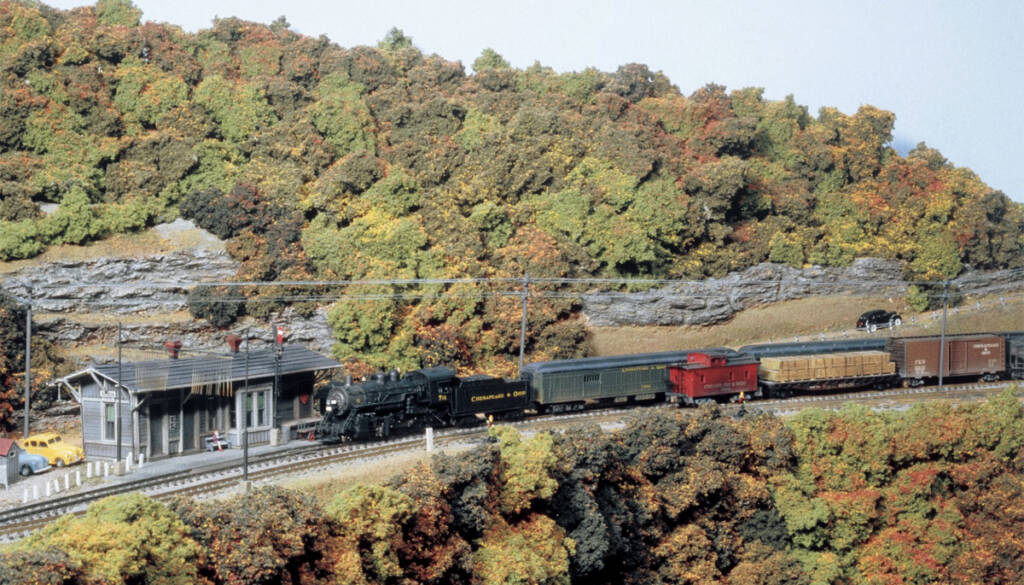
When I first started work on my layout, I built wood and plastic structure kits. I quickly grew frustrated with these buildings as few of them represented those found in Appalachia and along the Chesapeake & Ohio. Considering the lack of accurate building available on the marktet, I began scratchbuilding my own structures from wood […]
Read More…
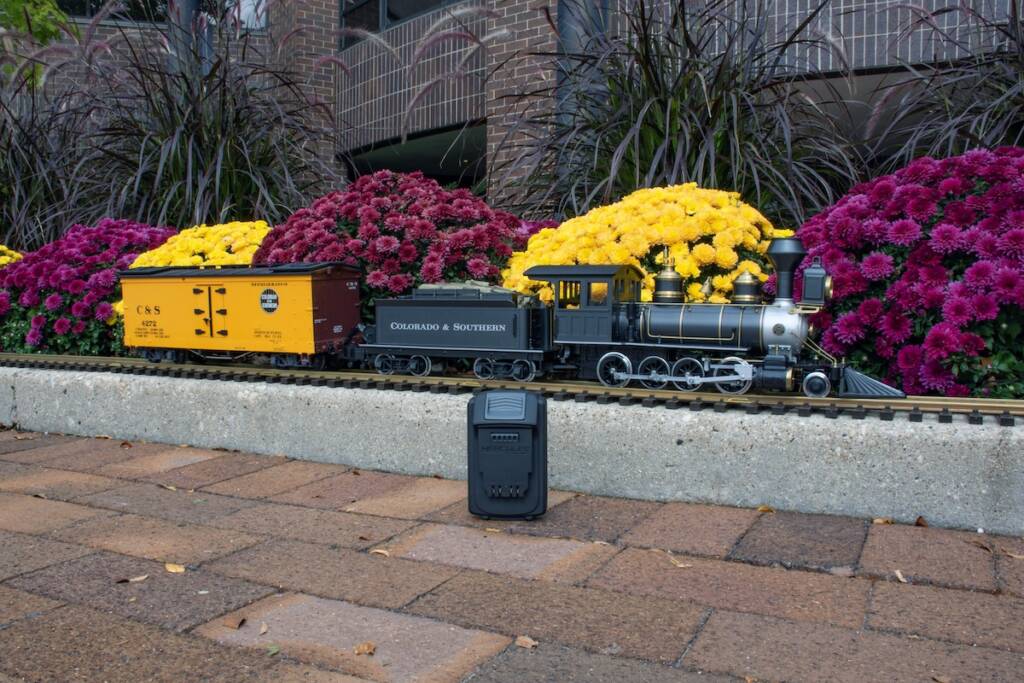
I never thought I’d get serious about Large scale (G gauge) model railroading, but here I am. This past summer, I successfully bid on a 1:22.5-scaled C-16 2-8-0 in Colorado & Southern livery at an online auction. This model, from the 1989 product line of the former Delton Locomotive Works (before its tooling went to […]
Read More…