
How to make roads stick on your model train layout

Hand gluing a model road on a layout

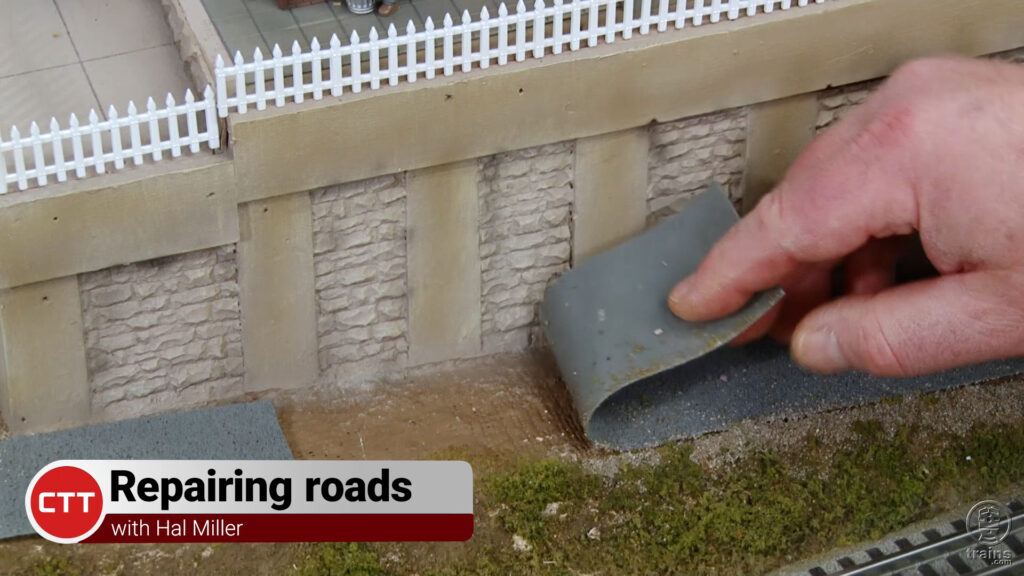
Hal Miller repairs peeling roadway material on the City Transfer & Terminal, an O gauge layout showcased in Classic Toy Trains articles and videos throughout 2018. With the original adhesive backing now dry and no longer tacky, Hal shows how silicone caulk can be used to affix the roads to the layout for good. […]

Read More…

Cody’s Workshop: Modernize an old covered hopper, Ep. 46

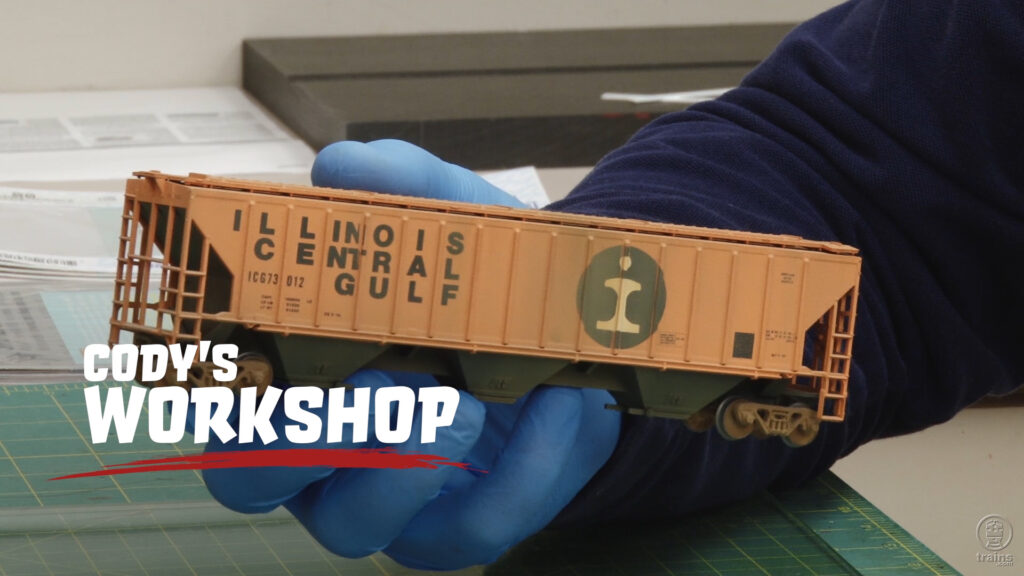
Host Cody Grivno paints wheelsets, adds roof details, applies weathering effects and decals to an old HO scale Athearn covered hopper. All of that in five easy steps detailed in this video, and in a feature story found in the June 2021 issue of Model Railroader magazine. […]

Read More…

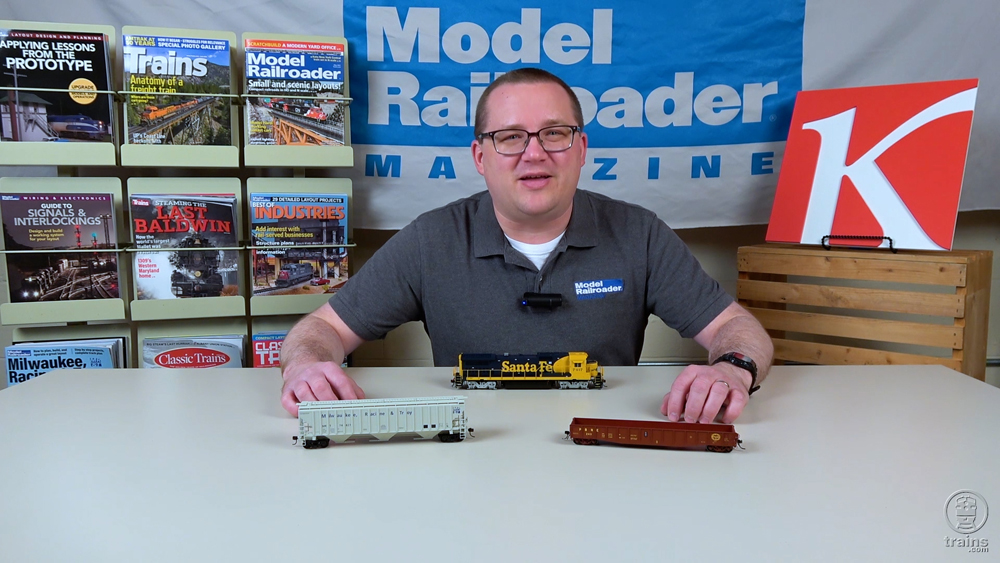
A custom-decorated covered hopper and gondola, new road numbers on a locomotive, a modeling tip, and viewer mail!

Cody Grivno sitting with locomotives on the table in front of him

Learn about the new HO scale Milwaukee, Racine & Troy 4750 covered hopper from the Kalmbach Hobby Store, Atlas Model Railroad Co.’s HO scale Dash 8-40B diesel locomotive in new road numbers, and the New England Steam Corp.’s custom-decorated HO scale Philadelphia, Bethlehem & New England 52’-6” gondola. In addition, there’s viewer mail and a […]

Read More…

Back on Track: Finishing the helix, Episode 6

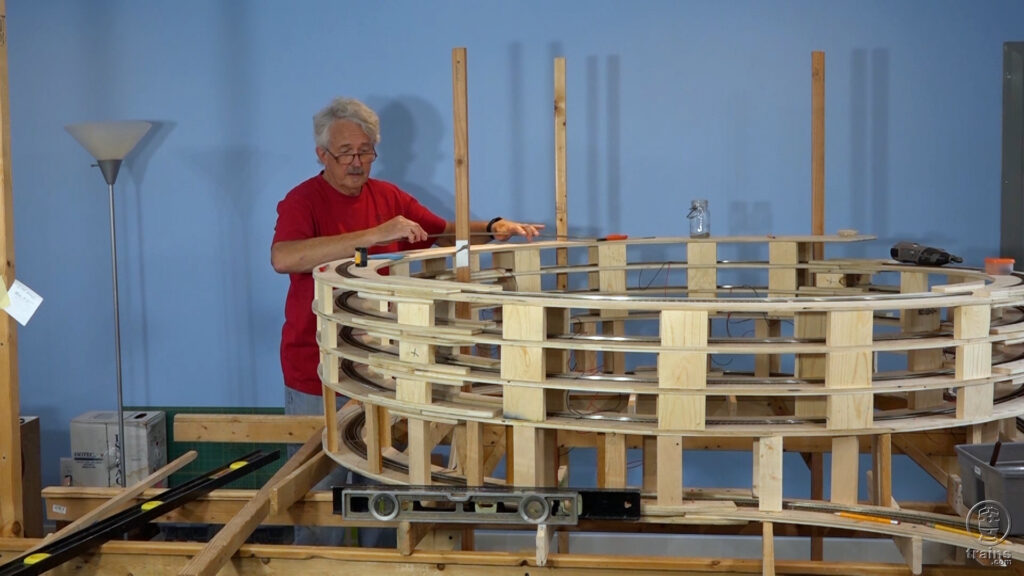
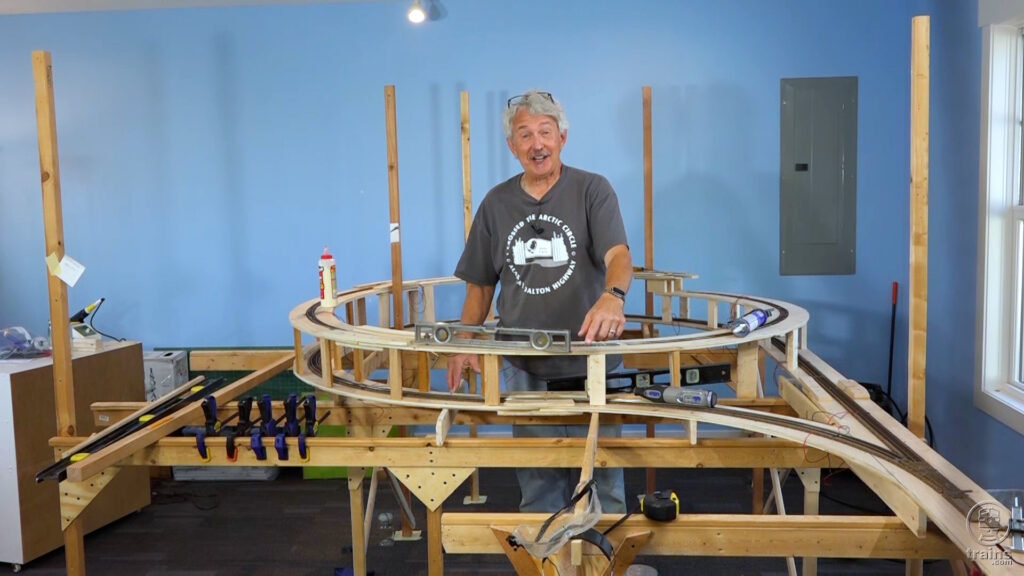
As the world and Gerry’s helix continues to turn, he deals with its ups and downs. See how he works to avoid wavering levels on each turn of the helix. And you won’t want to miss the first running train on the new layout. […]

Read More…

Back on Track: Building benchwork and beginning stage of a helix, Episode 5

Even with a little help from a friend, host Gerry Leone still struggles with benchwork construction. But after setting joists straight and level, he jumps right into raising the grade along the helix. Discover a few new track tips and tricks along the way. […]

Read More…

Back on Track: Helix construction prep work, Episode 4

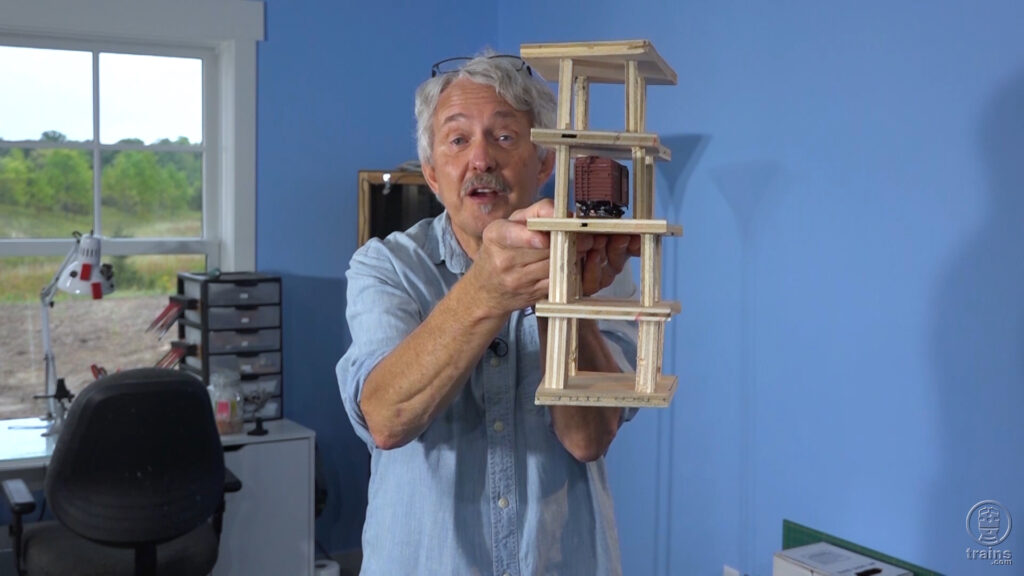
With design issues behind him, Gerry begins building the components of a four-turn helix. Even though math is involved in this stage, our host is up to the task. And he’s clever enough to use and share a number of helpful resources that make the process easy to understand and follow. […]

Read More…