
Olympia & Sand Creek, Episode 27 | Adding Scenery, Figures, and Trees
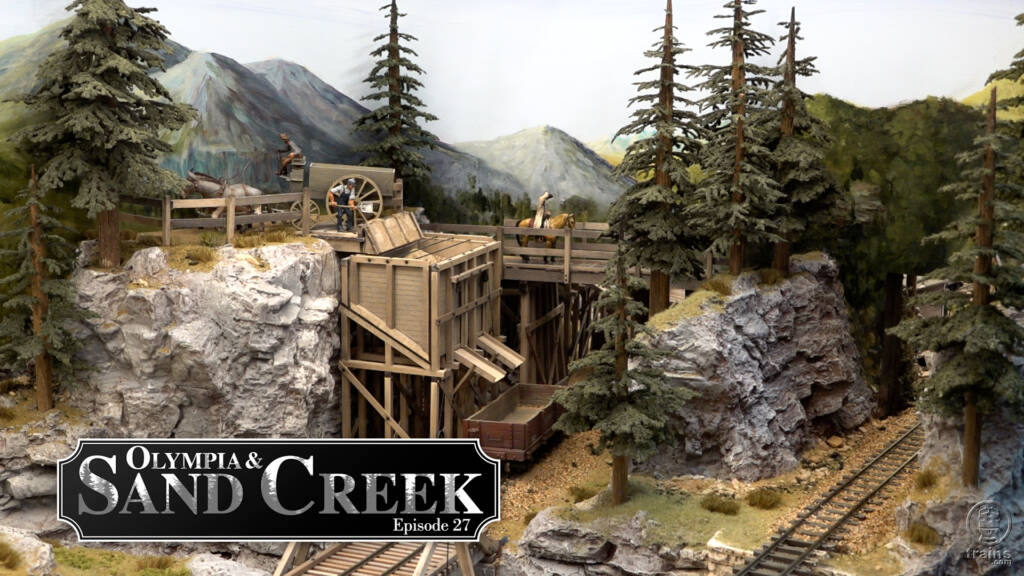
Scenes on David Popp’s Olympia & Sand Creek On30 logging layout are starting look much more rustic…and realistic too! Follow along as David share his techniques for adding trees, detailed ground cover, and even placing a few authentic figures into the scene. View the complete Olympia series exclusively on Trains.com Video! […]

Read More…

Accurately modeling the 1960s for model railroaders

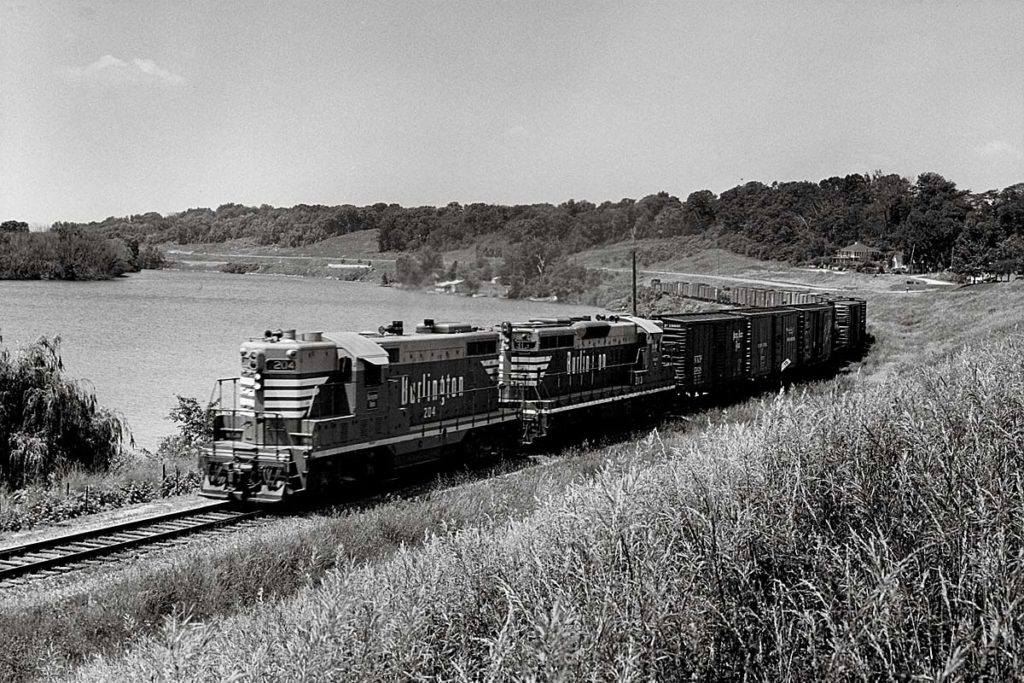
A black and white photo of a freight train led by two locomotives

When designing their layouts, many model railroaders gravitate towards the 1960s. It’s easy to understand why — to many in the hobby, the 1960s represents one of the most dynamic decades in American railroading, as the last vestiges of steam power faded and diesel locomotives began their reign over America’s rail network, a reign which […]

Read More…

Creative track plans for every skill level

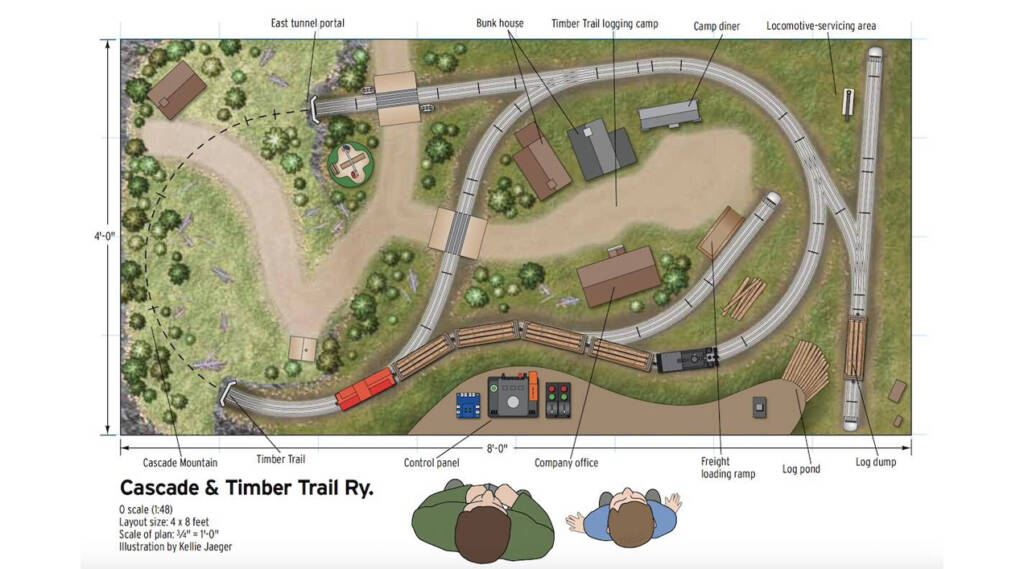
A track plan for a model railroad layout

Are you searching for inspiration for your next model railroad project? Whether you’re just starting out, have some experience, or are an advanced modeler, we’ve gathered a collection of creative track plans for every skill level to get your creative juices flowing. Based on designs from our staff and fellow model railroad enthusiasts, these plans […]

Read More…

Olympia & Sand Creek, Episode 26 | Ballasting the rails

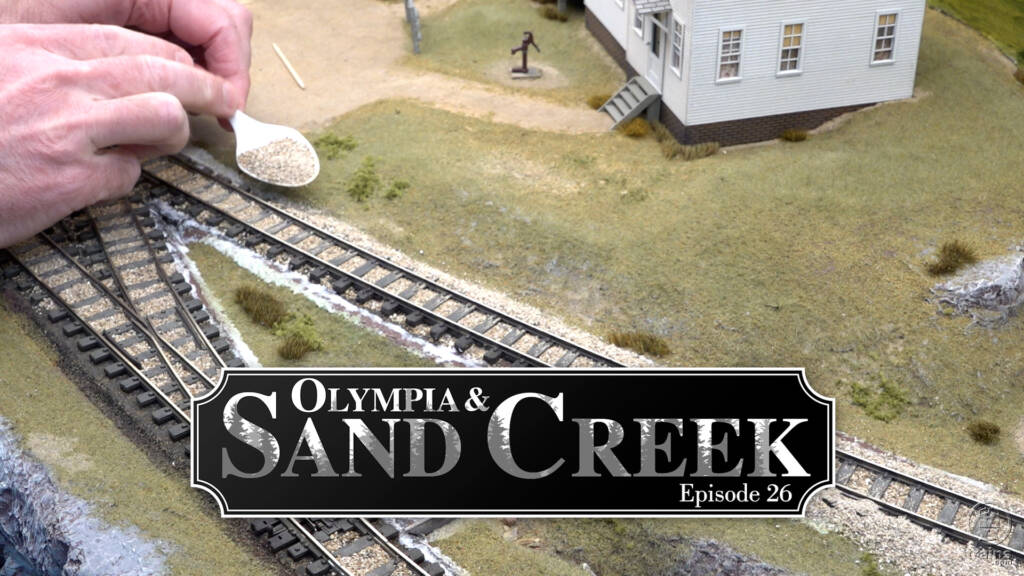
In this episode, David shares a proven technique for adding and shaping a rustic course of ballast along the rails of the Olympia & Sand Creek On30 logging layout. But first he works to complete several scenery details, including realistic fencing, water effects, muddy cow paths, and more along the terrain and trackwork too! View […]

Read More…

Support structures for multi-deck layouts

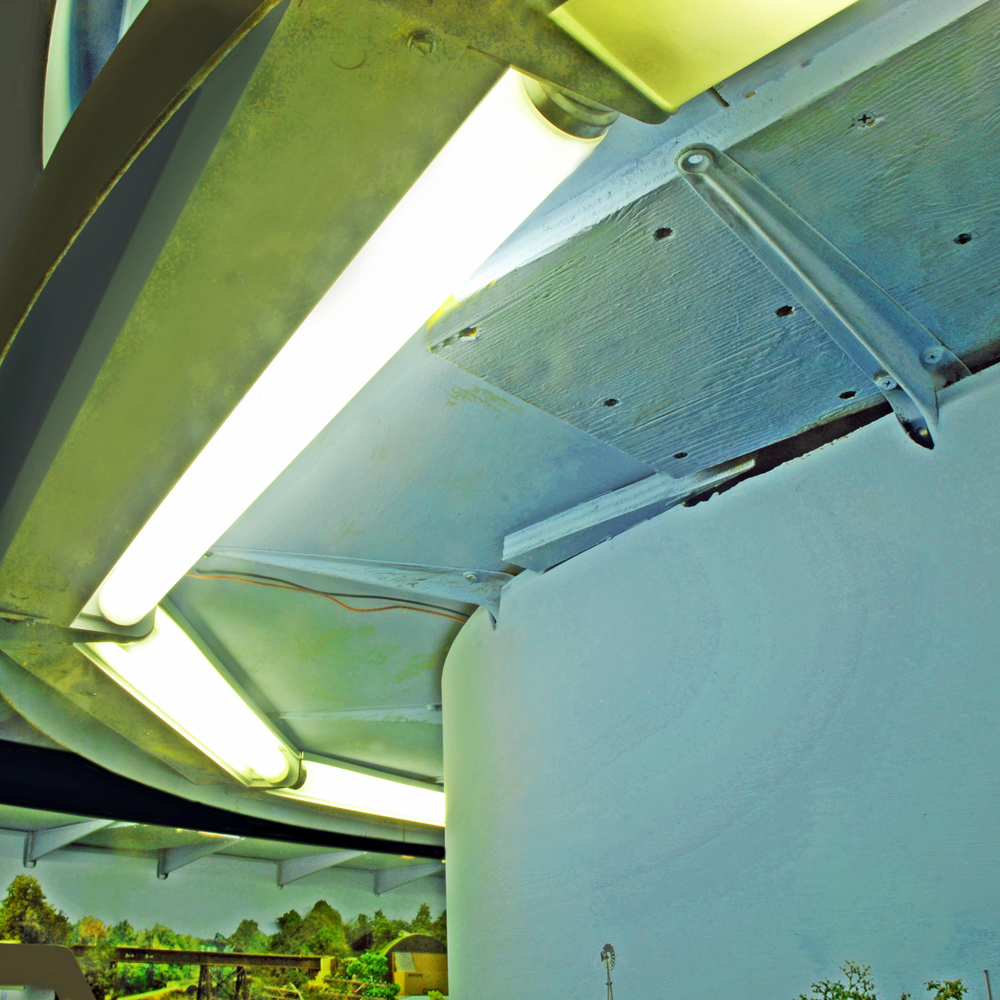
Color photo showing bottom of upper deck on HO scale layout

Q: I have a bedroom sized N scale railroad with a four track staging/fiddle yard on one wall. I would like to run a branch line to a quarry over the staging, but I am concerned about the gradient to get the tracks to the right height. I will need about 6″ clearance for my […]

Read More…

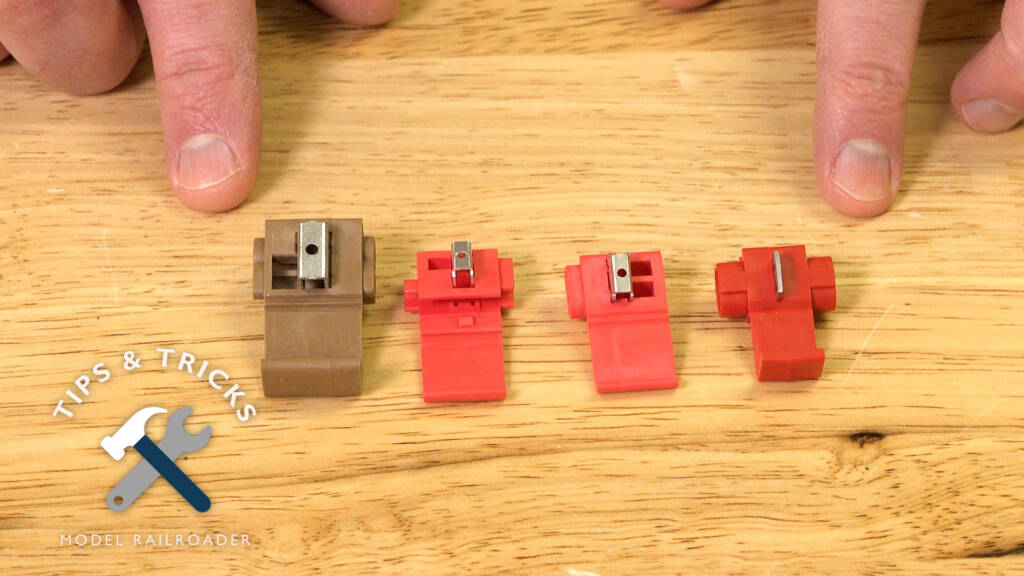
Model Railroader Tips & Tricks | Working with suitcase connectors

Working with suitcase connectors | While also known as insulation displacement connectors, the name “suitcase connector” is a more common term used to describe one the most helpful fasteners in all of model railroading. These plastic cases include a conductive metal blade used to bridge (electrically) two press-fit wires. Let David show you how to […]

Read More…

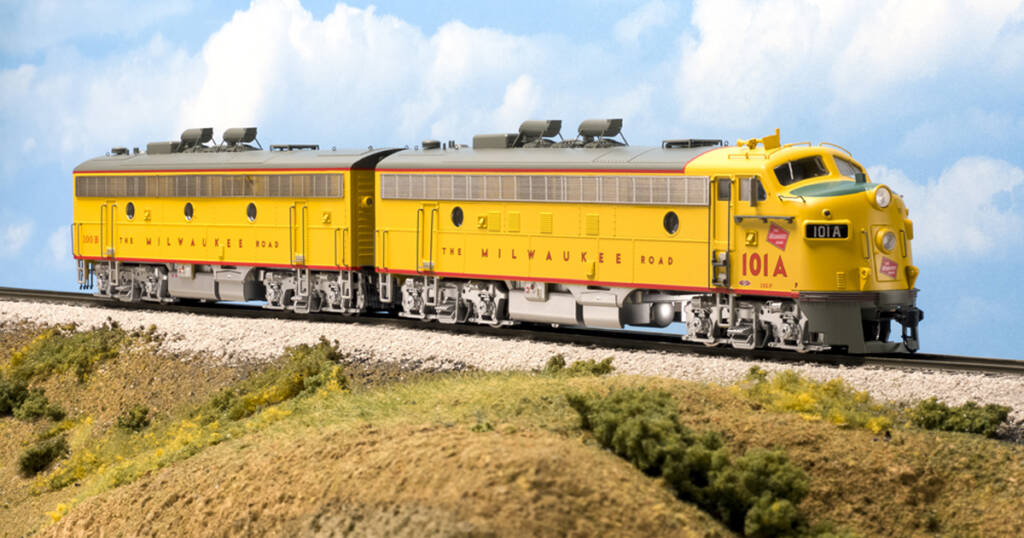
Accurately modeling the 1950s for model railroaders

A yellow model locomotive against a blue sky background

Most model railroaders strive for accuracy in the construction of their model railroad layout. Of course there are modelers who do not, and of course “accuracy” means different things to different modelers, but broadly, accuracy, in one form or another, is the target for most model railroaders. When constructing their model railroad layouts, many modelers […]

Read More…

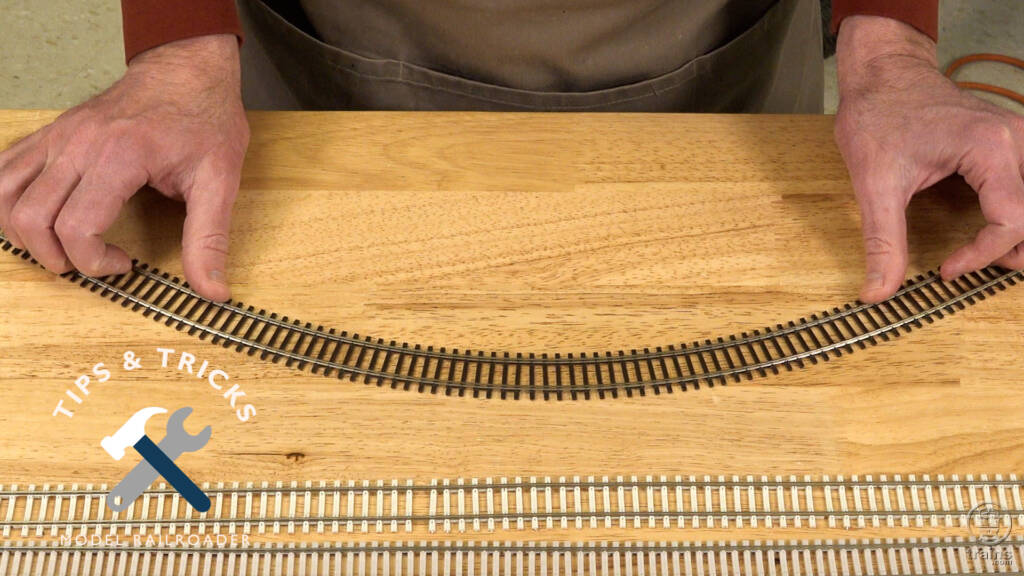
Model Railroader Tips & Tricks | Track selection and tracklaying insights

Track selection and tracklaying insights | Join David, as he first surveys a wide array of flexible trackwork offerings, and then shares helpful tips and tricks for properly preparing and installing sections of flex track on your next model railroad! Be sure to find other helpful videos like this in the How-to category on Trains.com […]

Read More…

Olympia & Sand Creek, Episode 25 | Details and ground cover

Now it’s time for scenery on David Popp’s Olympia & Sand Creek On30 display layout to take shape! In this episode, the efforts begins by adding a few more details, before David works to cover new ground with static grass and a variety of turf and brush materials. View the complete Olympia series exclusively on […]

Read More…

Legs and bracing for the East Troy Industrial Park

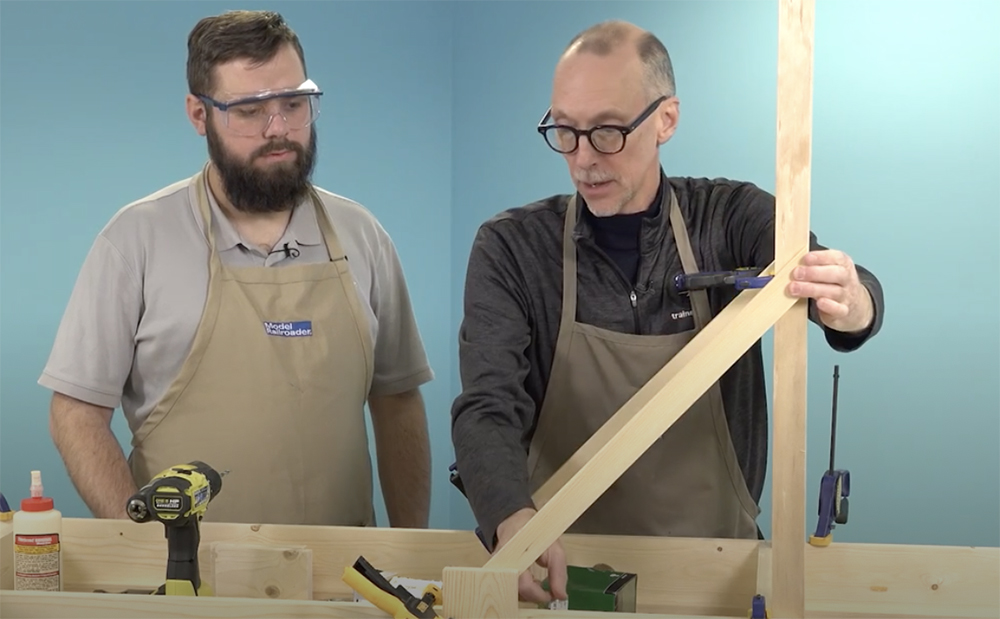
Two white males, one with a full beard and one with a balding head, hold wood furniture legs to a bare wood rectangular frame and attach support boards to keep the legs vertical using black, blue, and yellow bar clamps.

Once we had the L-girders built, it was time to turn our attention to adding the legs and support bracing for the layout. We constructed the legs as simple subassemblies with their own cross bracing. It all bolts to the L-girder frames using ¼” carriage bolts, wing nuts, and washers.  We used more dimensional lumber […]

Read More…

Should you go with code 100 or code 83 track?

scale graphic

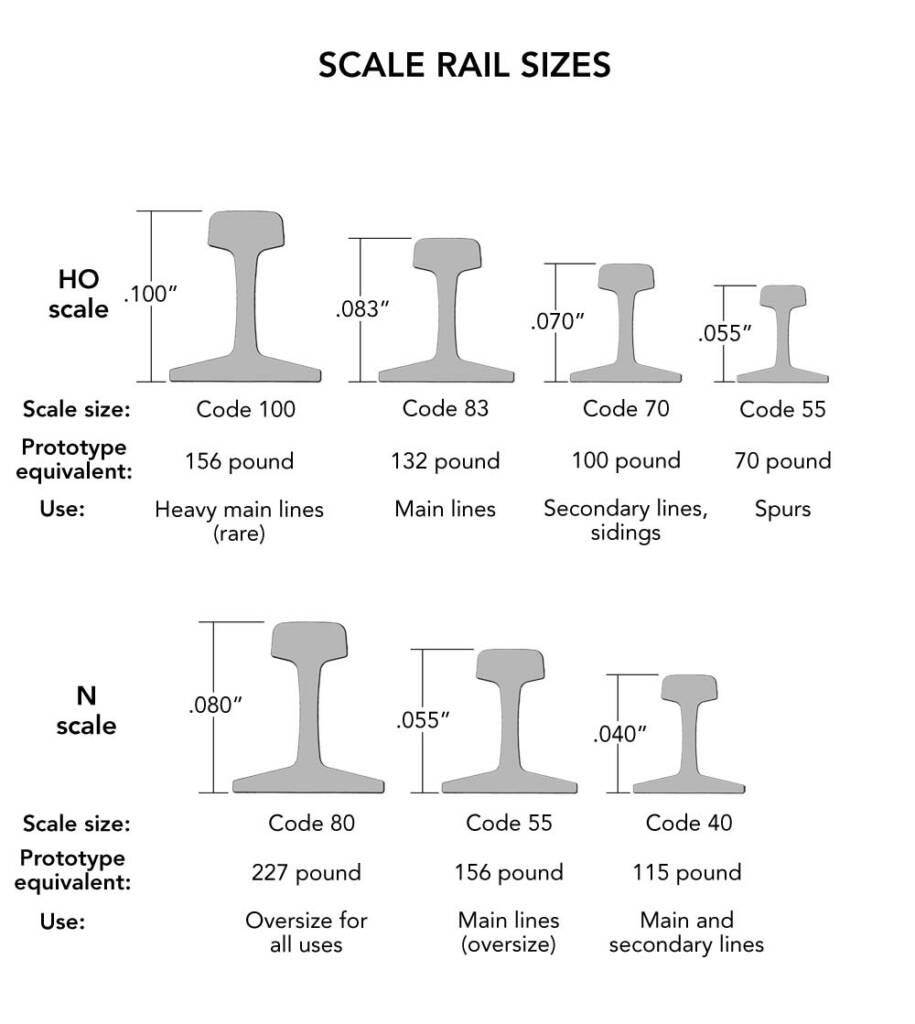
Track selection is among the first decisions you’ll have to make when you get started in model railroading, second only to scale. In HO (1:87.1), the two most commonly used track sizes are code 100 and code 83. “Code” refers to the height of the rail, measured in thousandths of an inch. For a lot […]

Read More…

Benchwork for the East Troy Industrial Park

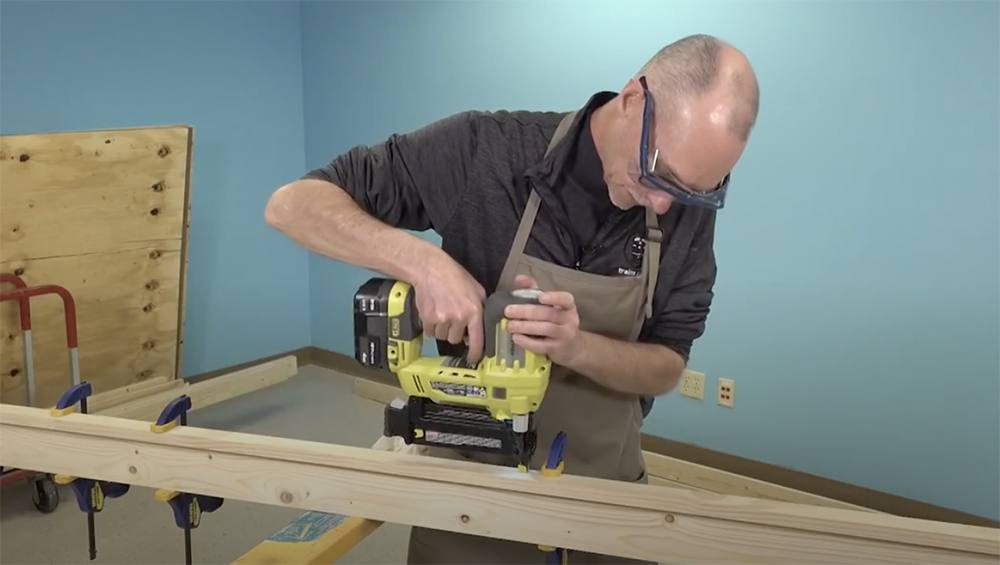
Balding older man with gray hair and beard wearing dark-framed glasses holds a bright green power nailer to the top of two wood boards resting on yellow sawhorses in a work room with light blue walls. 

From tabletop, to shelf, to open grid, there are a lot of different methods you can use to build model railroad benchwork. For our HO scale East Troy Industrial Park project layout, we used a combination of two methods, cookie cutter and L-girder, to make solid, stable benchwork. While not exactly framing for a layout, […]

Read More…