
Adding 18-foot Bachmann flatcars to the Fleet
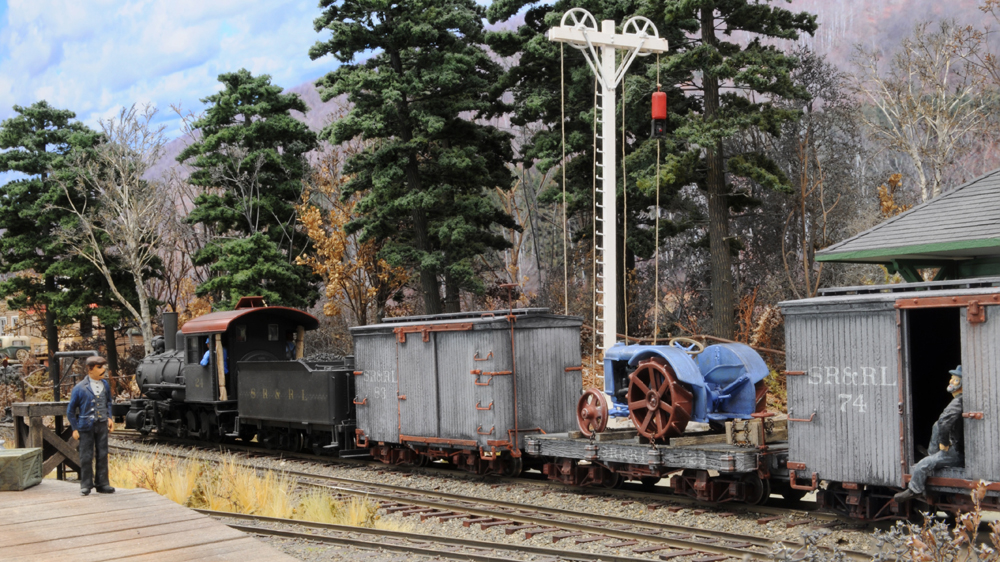
Engine #24 heads out of Strong with flat # 323 in the consist on its way to Kingfield.

Our On30 Sandy River & Rangeley Lakes Railroad is a bit smaller than its prototype counterpart, running only from Kingfield to Strong, quite a few miles less than the 120 + miles covered by its full-scale counterpart. With this in mind, after seeing some Bachmann On30 18-foot boxcars on the internet, I decided that having […]

Read More…

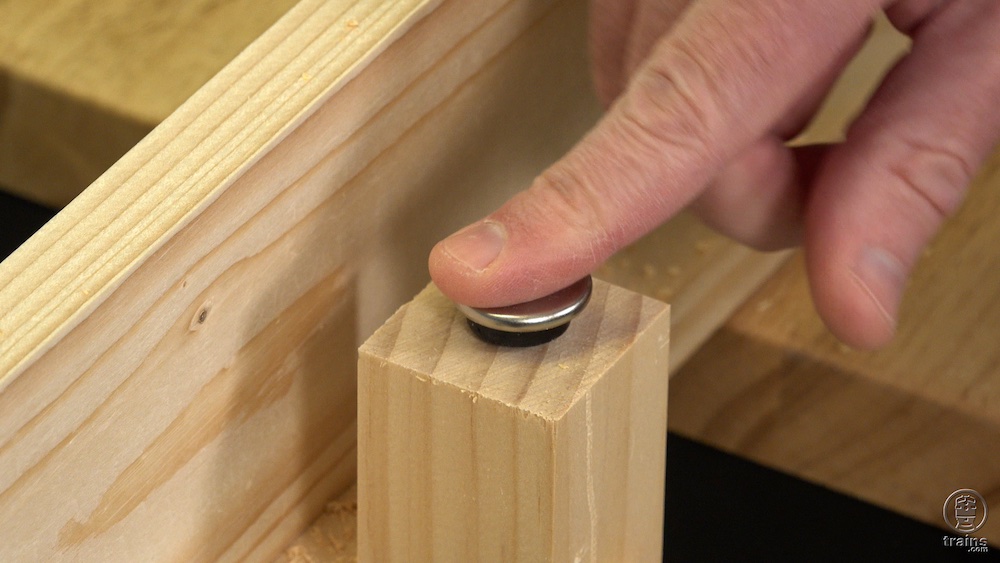
How to install adjustable glides on benchwork legs

Glide installed

When building a model railroad, one feature you should consider is adjustable levelers at the foot of your benchwork’s legs. As the name suggests, these help level your layout when it’s standing on an uneven floor. Here’s how to install adjustable glides on benchwork legs. There are a couple of purchasing options for levelers. One […]

Read More…

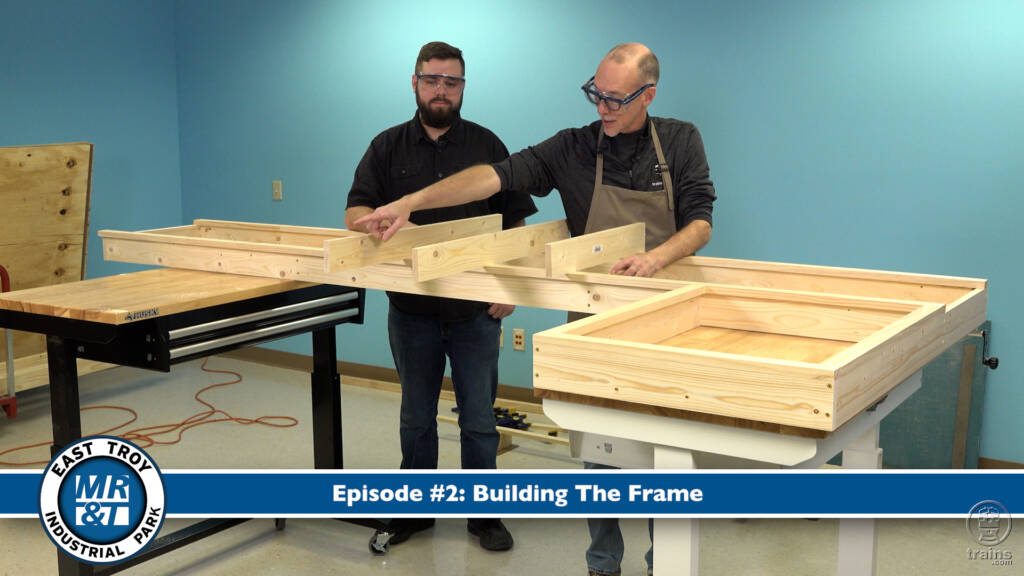
East Troy Industrial Park, Ep. 2 | Building a Frame

With all the same enthusiasm and expertise demonstrated in previous Model Railroader Project Layout efforts, host David Popp and Bryson Sleppy begin constructing the East Troy Industrial Park (ETIP) model railroad! While it will be just a small semblance of the former Milwaukee, Racine, & Troy HO scale (1:87.1) layout, the all-new ETIP promises to […]

Read More…

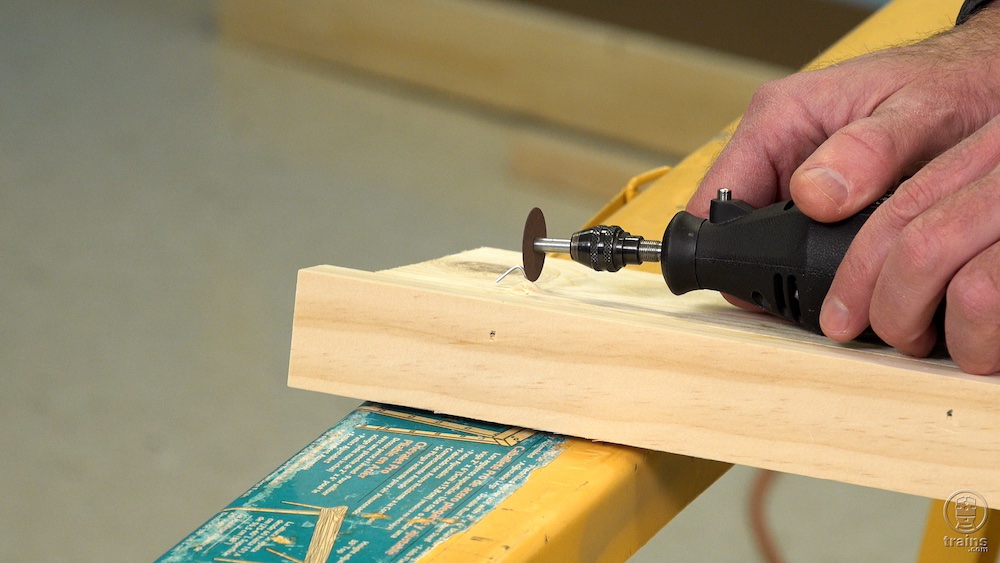
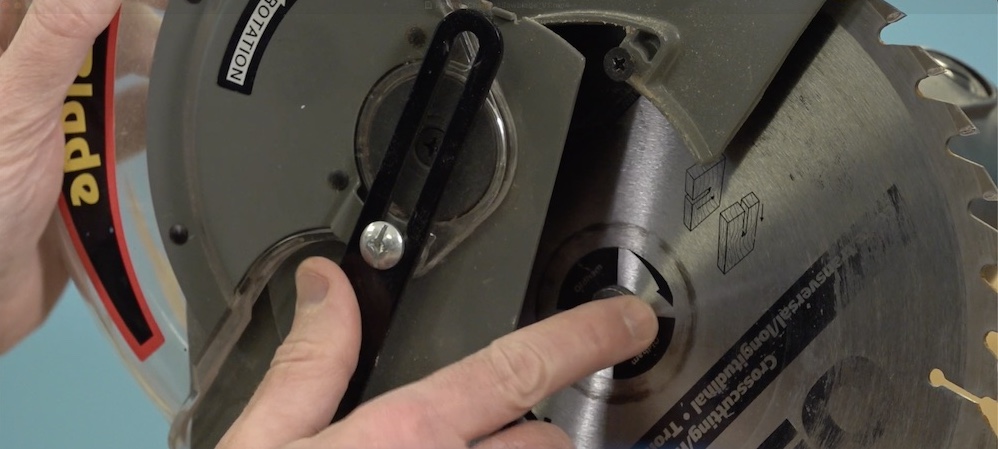
How to replace a circular saw blade

Close-up of saw blade

A circular saw is often the tool of choice when constructing the benchwork for your layout. But in order to get those clean cuts and smooth edges, it’s important to have a sharp blade. This will help avoid splintering in the wood. From prioritizing safety to performing essential maintenance, here’s how to replace a circular […]

Read More…

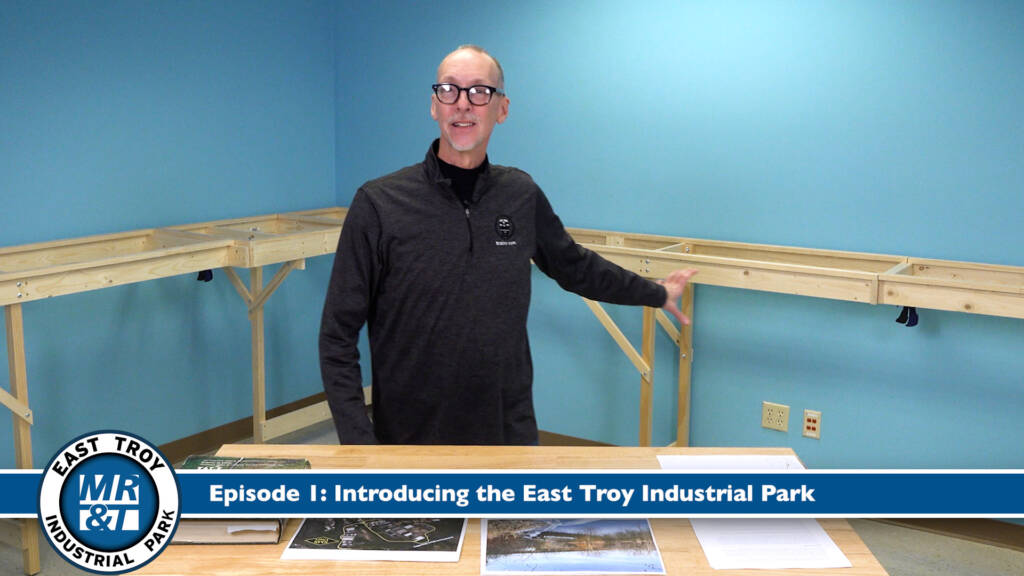
East Troy Industrial Park, Episode 1 | Introducing an all-new HO scale project layout

Trains.com host David Popp invites you along for this initial overview of Model Railroader magazine’s emerging HO scale (1:87.1) project layout, the East Troy Industrial Park Railroad! To get things started, David shares how 1:1 scale operations of a Class III railroad (as featured in the Trains.com Video Series “Taking Care of Business: SMS Rail […]

Read More…

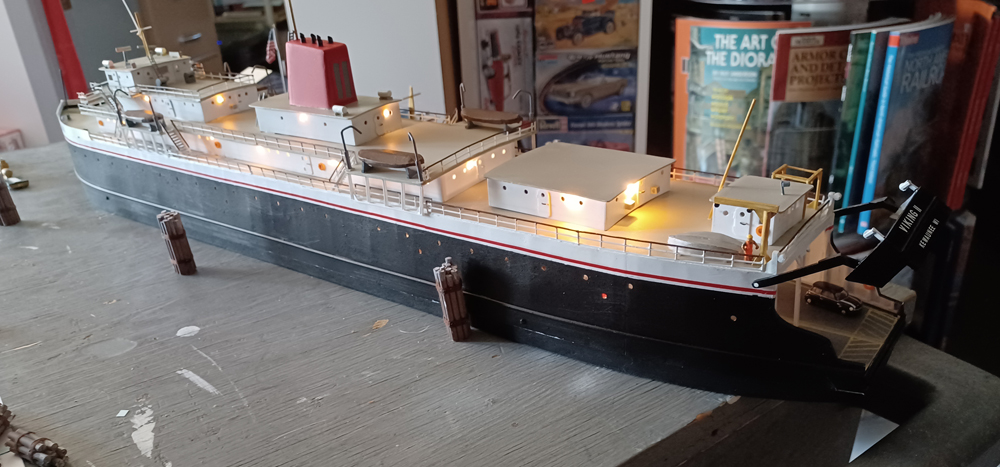
An N scale carferry inspired by MR

Color photo showing N scale carferry with lights.

In 1980 and 1981, my wife and I rode round trips on the Viking and Badger, respectively, when they were still being used as railroad carferries operating between Wisconsin and Michigan. After those trips, I wanted to build an N scale version of the Viking. Unfortunately, I didn’t have the time or skills required back […]

Read More…

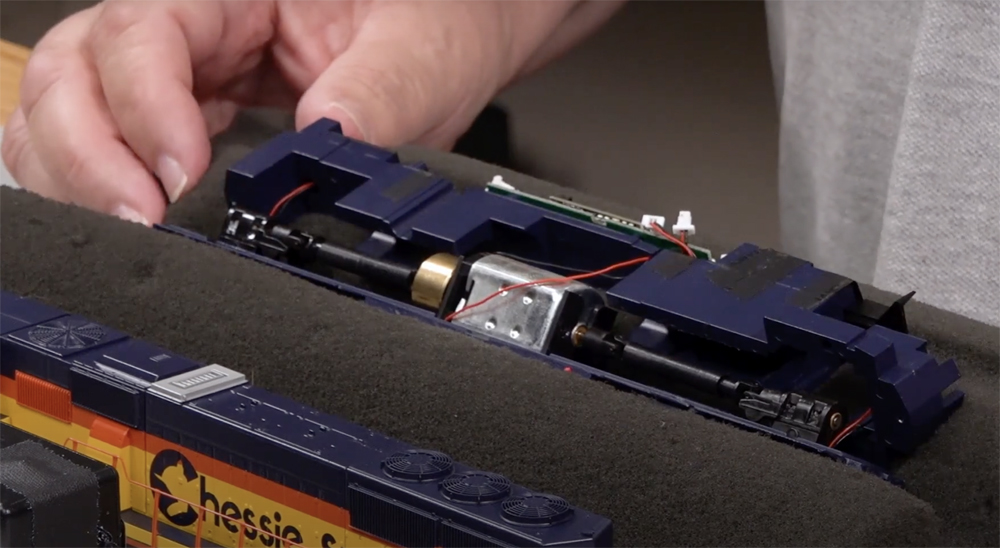
The Basics of Model Train Repair and Maintenance

A hand manipulates a partially disassembled model locomotive

Most of us who love model trains value them for some aspect of their engineering, artistry, and nostalgia. We tend to be a meticulous and detail-oriented community, and we prize and cherish the integrity and aesthetics of the layouts we painstakingly build. Like any machinery, model trains need maintenance and cleaning to look and function […]

Read More…

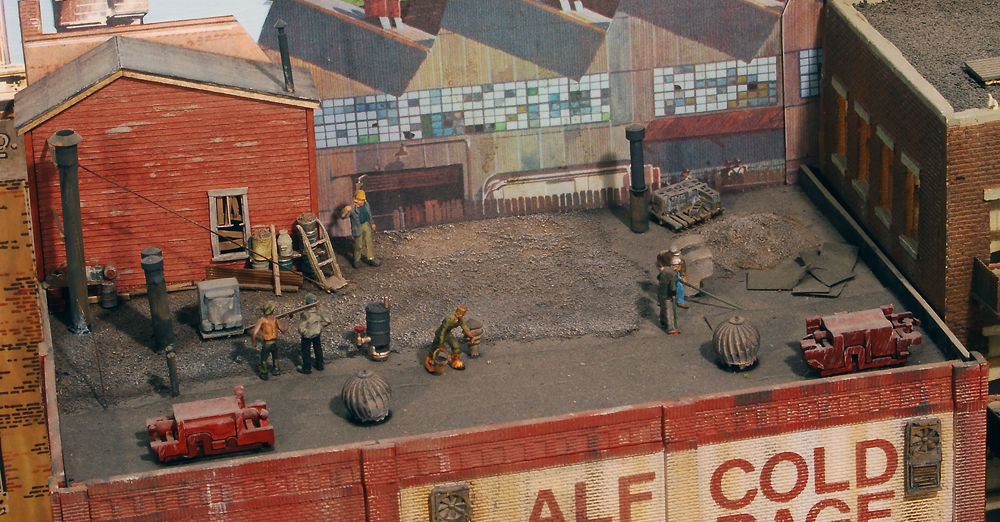
Rooftop weathering ideas

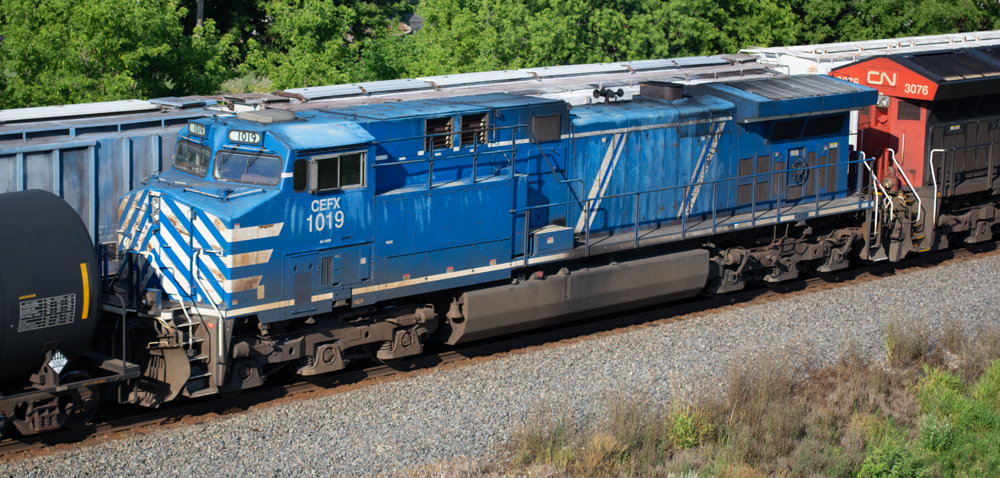
Color photo of blue and white locomotive in a freight train.

Unless your model railroad is at eye-level or higher, the first thing operators and visitors see when they look at your locomotives and freight cars is the roof (and on open-top cars, the interior). In recent years, some manufacturers have offered models with faded paint and light weathering. Other companies have released boxcars with paint […]

Read More…

Five common structures for a model train layout

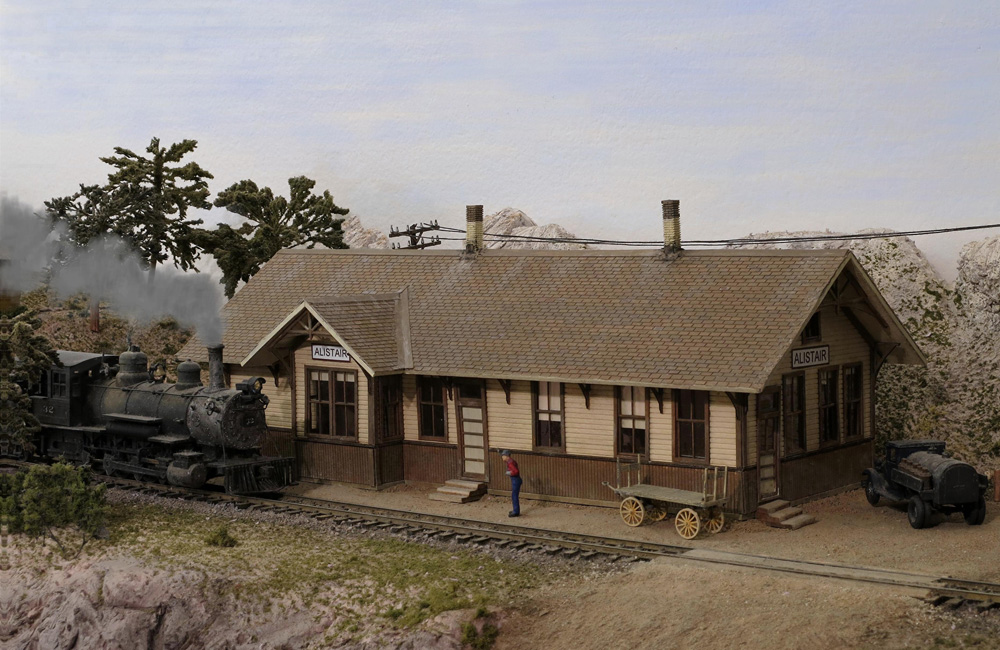
A black steam locomotive approaches a tan-and-brown model wood depot

Structures help set the stage for a layout’s look and practicality. There are no bounds to the variety of buildings a modeler can bring to the table (or should we say benchwork). Yet there’s always that one particular building you’ll usually find on most layouts. With great insight from Model Railroader Editor Eric White, let’s […]

Read More…