




Download the track plan here! See more in the Summer 2024 issue! […]
Model the North Brookfield Railroad
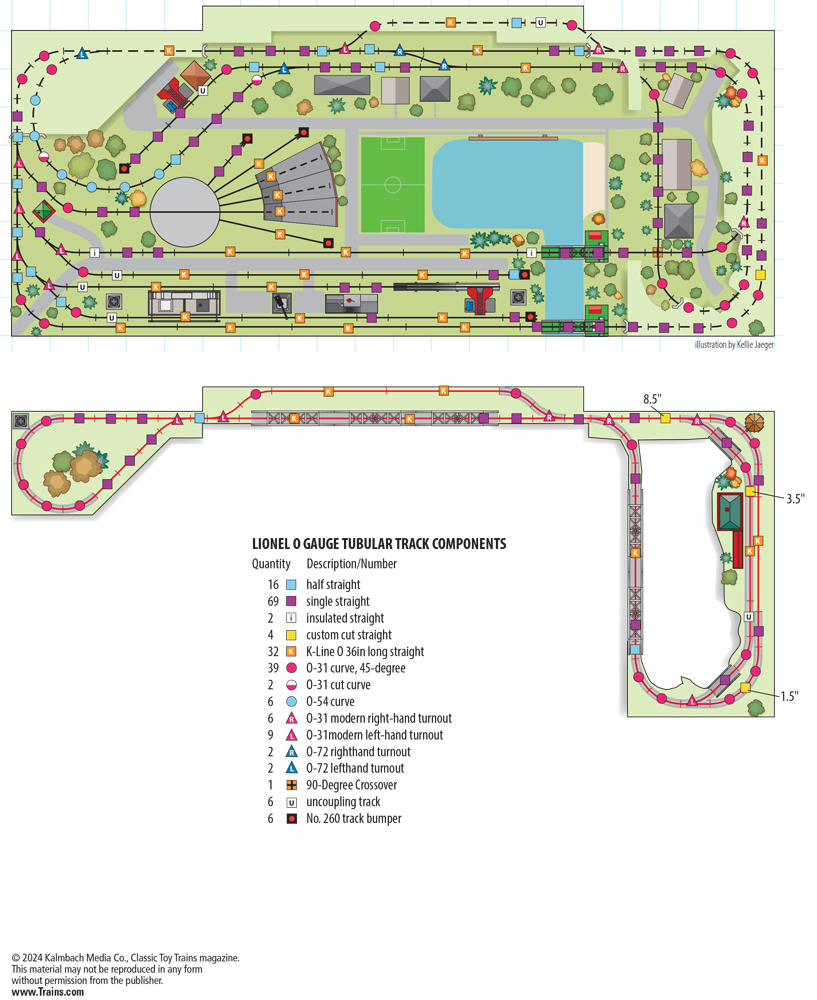
Download the track plan here! See more in the Summer 2024 issue! […]
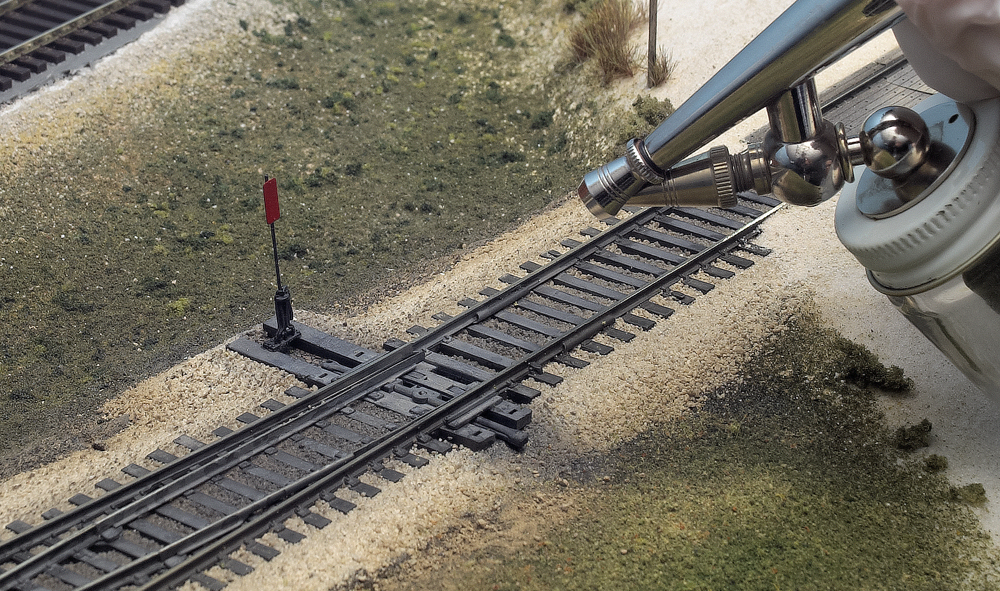
Regardless the size, model railroads require regular maintenance. Cleaning track, dusting scenery and structures, and maintaining equipment are just some of the things that require attention. Not keeping up on these tasks will lead to a layout that runs poorly, looks tired, and potentially cause you (and/or members of your operating crew) to lose interest. […]
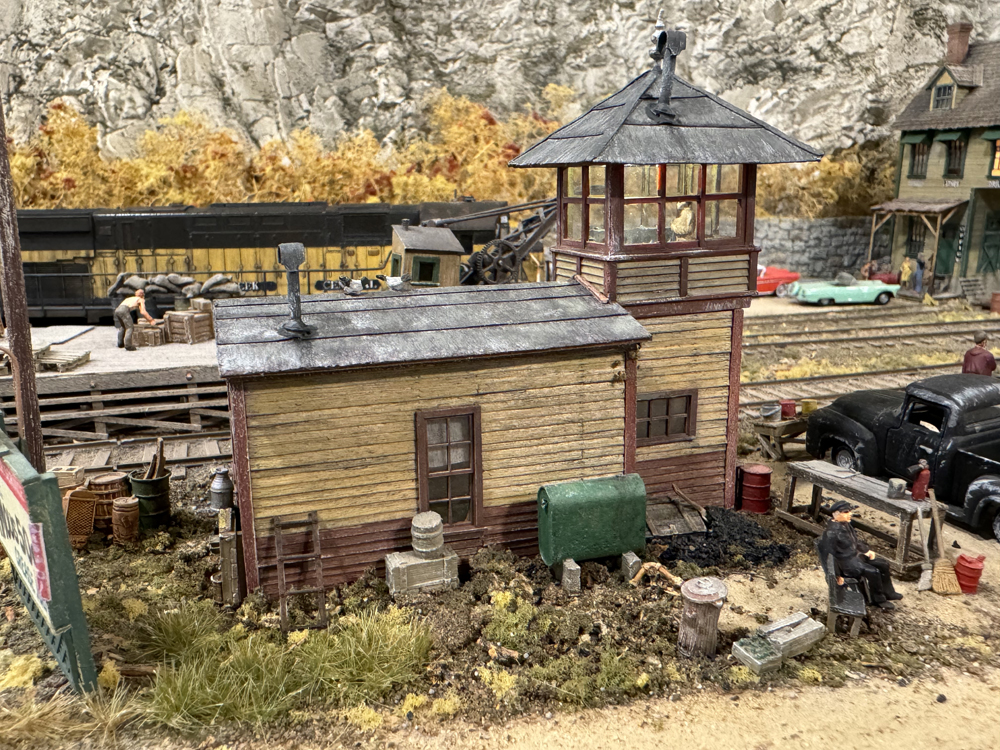
While sifting through my “someday” project box, I found an old Atlas elevated gate tower. I’ve had this little plastic structure since my earliest days in the hobby, but it’s been a number of years since I’ve used it on a layout. Despite its rough shape, I pulled it out of the box thinking it […]
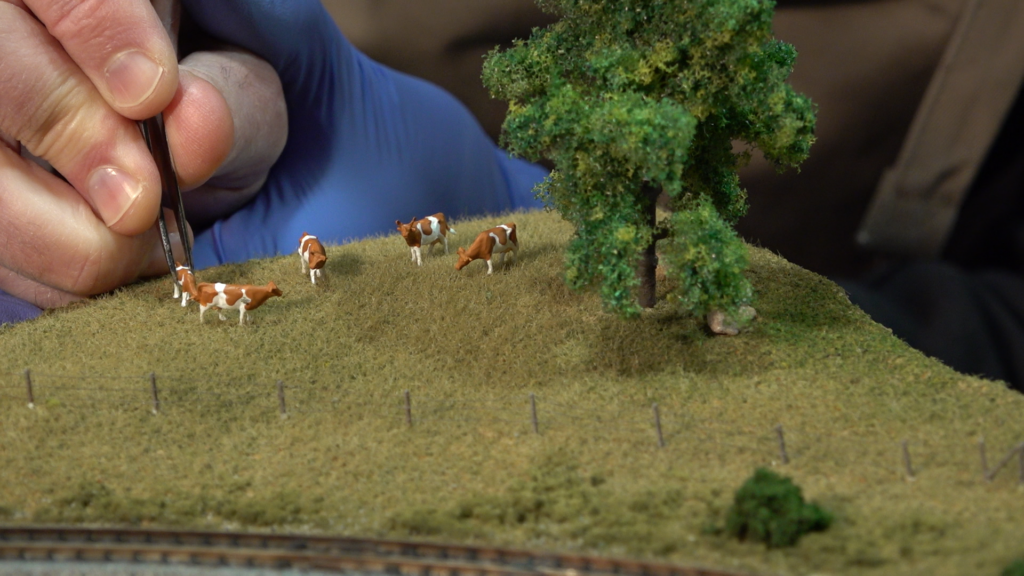
Host David Popp is all set to add the final scenery details on his N scale (1:160) T-Trak module. Part of his effort includes the installation of chain-link and barbed wire fence options. After adding the last few details, there’s just one thing left to do…assemble and wire an assortment of modules and get a […]
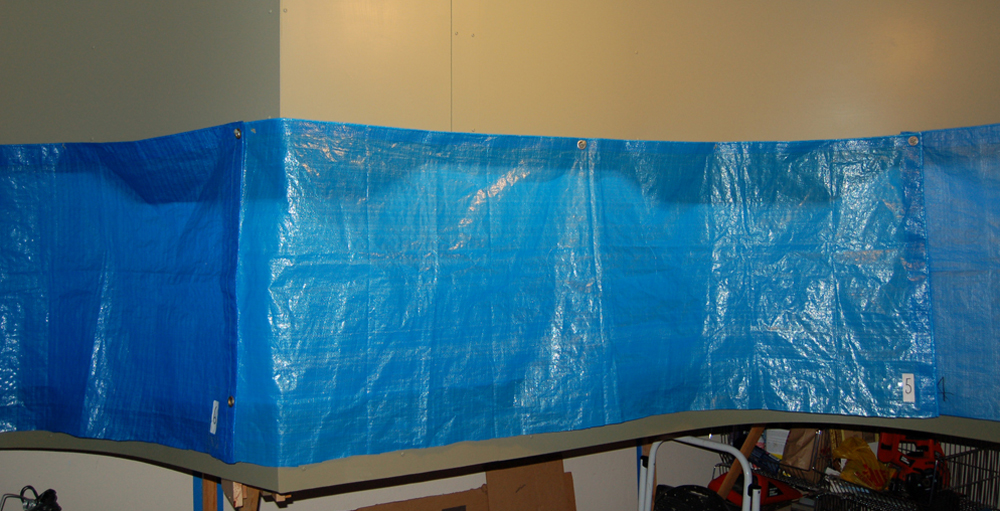
Cold weather and limited train events keeping you indoors running trains? Well, we can relate. If you choose to give your favorite pastime a break for the summer to enjoy the weather with friends and family, then we suggest doing the following to ensure a smooth transition back into the hobby come those chilly, fall […]
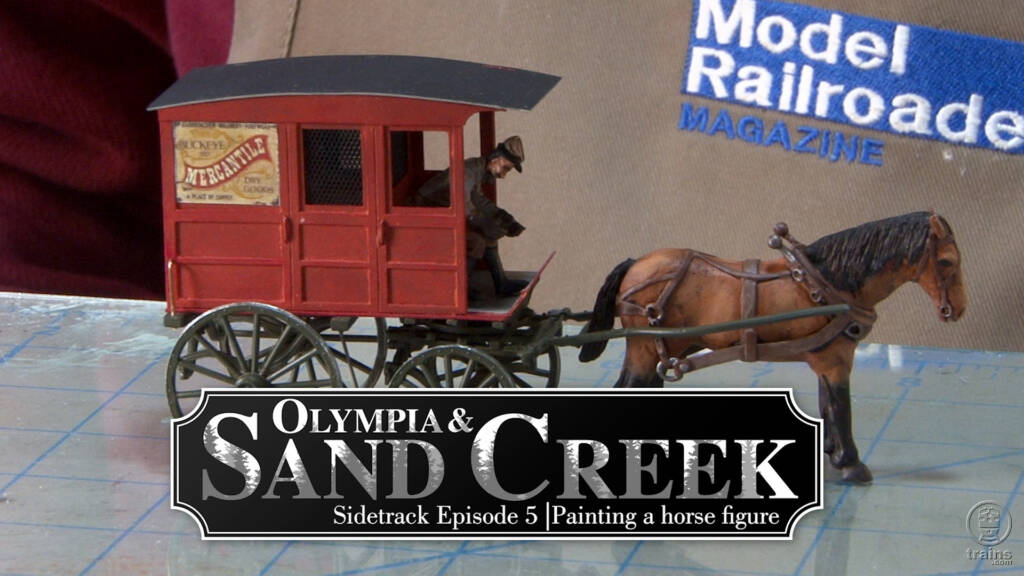
As the Sidetrack Series trots along, David shares his technique for painting the ponies. But following his savvy advice, he begins by decorating the details (harness, hitch, etc.). After painting the body and other fine features, David then demonstrates how to give the steed a suitable, well-weathered appearance. But don’t hitch your horse to this […]
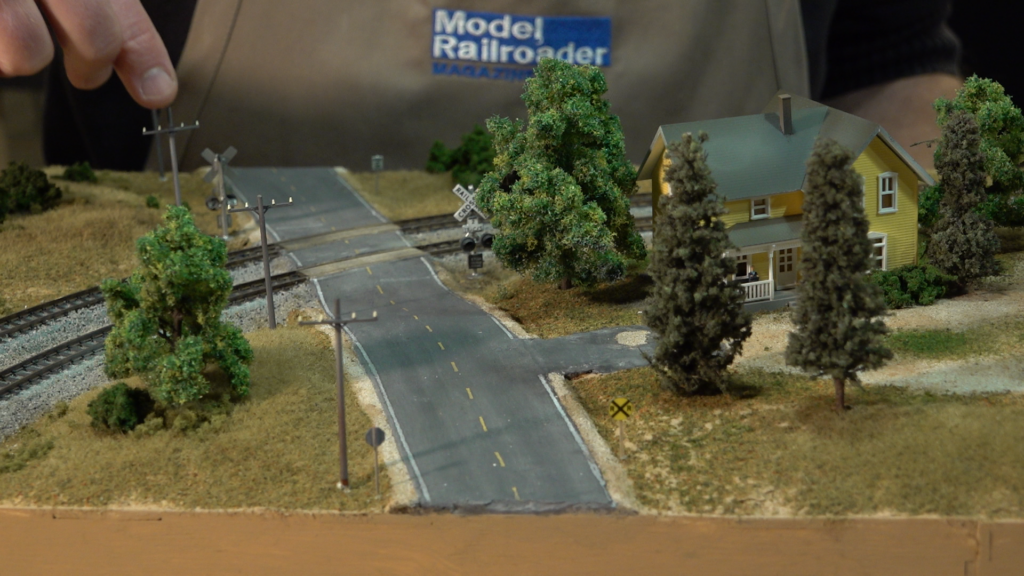
David Popp’s scenery work is whittling down to assembling and placing various road signs and line poles on the N scale (1:160) T-Trak module. Progress is moving closer to completion, so be sure to catch up with all of David’s efforts and helpful insights throughout the entire T-Trak series…exclusively on Trains.com Video! […]
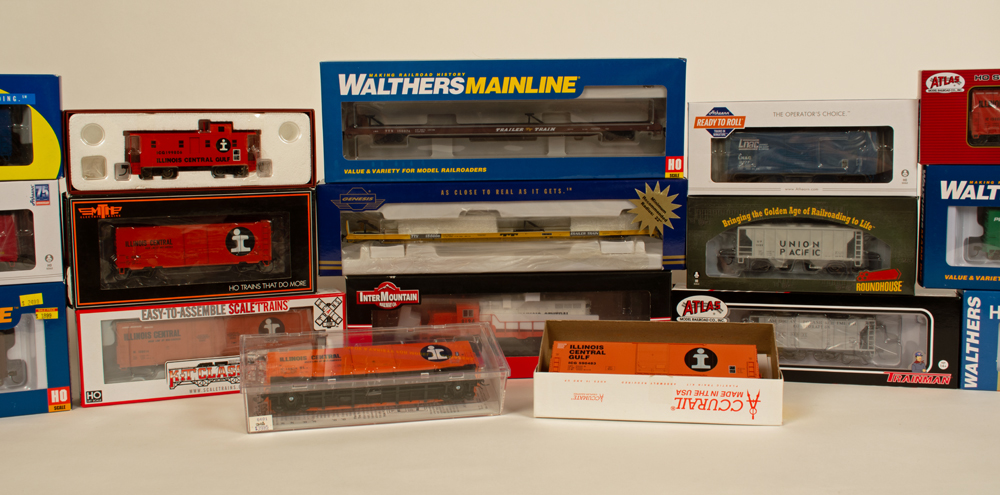
At some point in your life, you will most likely move. For some it may be to a new residence across town. For others it might be several states away, or perhaps another country. In addition to moving furniture, clothes, and other household items, you’ll need to prepare your trains for transport. In this article, […]
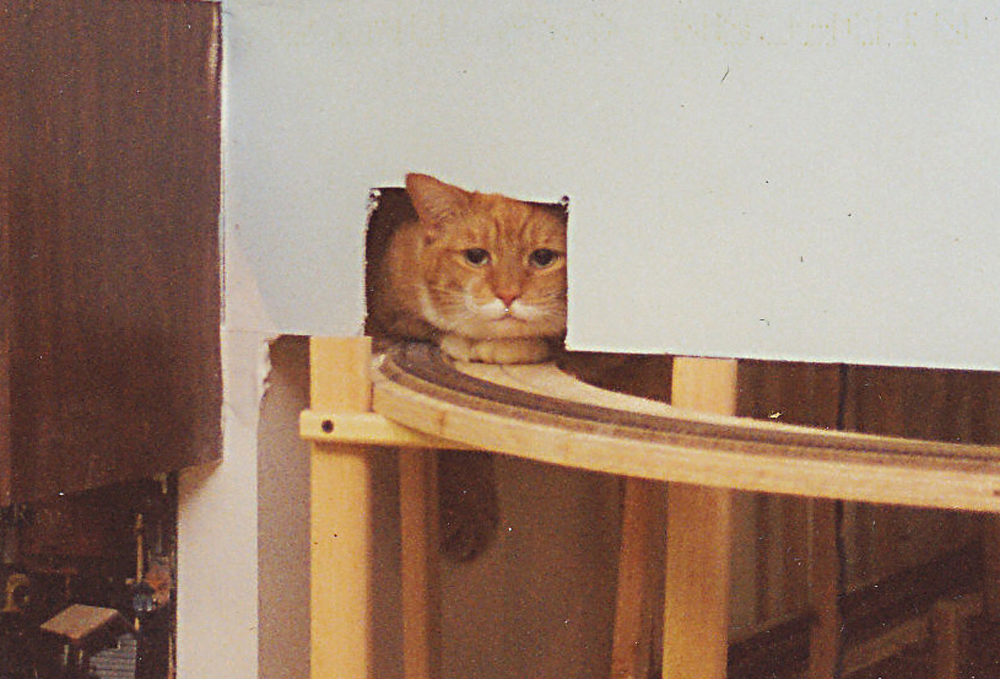
Living with a model railroad and a dog or cat isn’t always easy. The animals don’t know the difference between your toys and theirs, and can wreak havoc on scenery, models, or your workbench. Animals love to chew on natural materials and unfortunately, many scenery products are made of those. But peaceful coexistence is possible […]
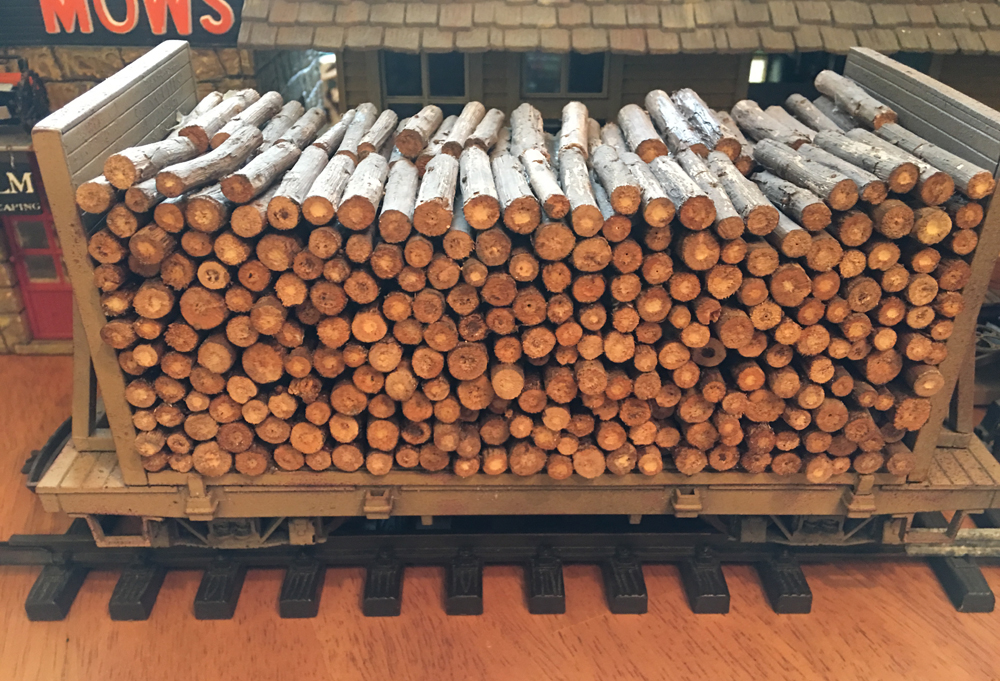
Since I own the P.T. Tubifo Lumber Co. engine for my railroads’ lumber company, I thought I’d add a pulpwood car for it to haul. I started the project with Kalamazoo flatcar and added bulkheads made from Evergreen styrene. During my work travels, I saw some weeds on the side of the road and initially […]
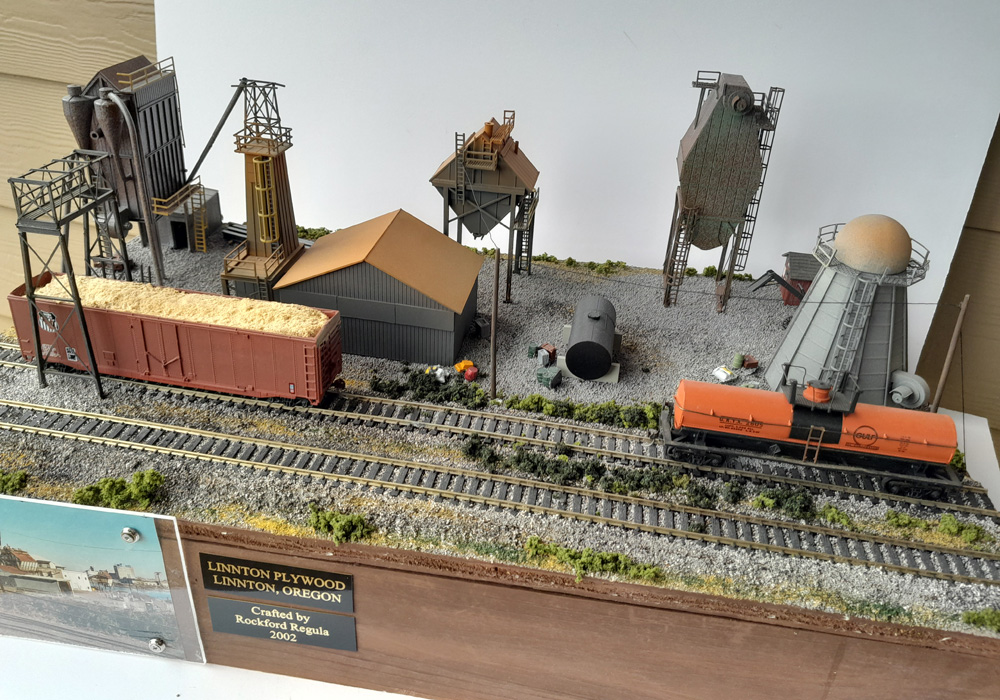
As model railroaders age, we are faced with the question of how to dispose of a model railroad in case of changing scales, downsizing, moving, or death. No one seems willing to address this uncomfortable question. In the case of death, the model railroader’s family is saddled with the problem of disposing of the models. […]
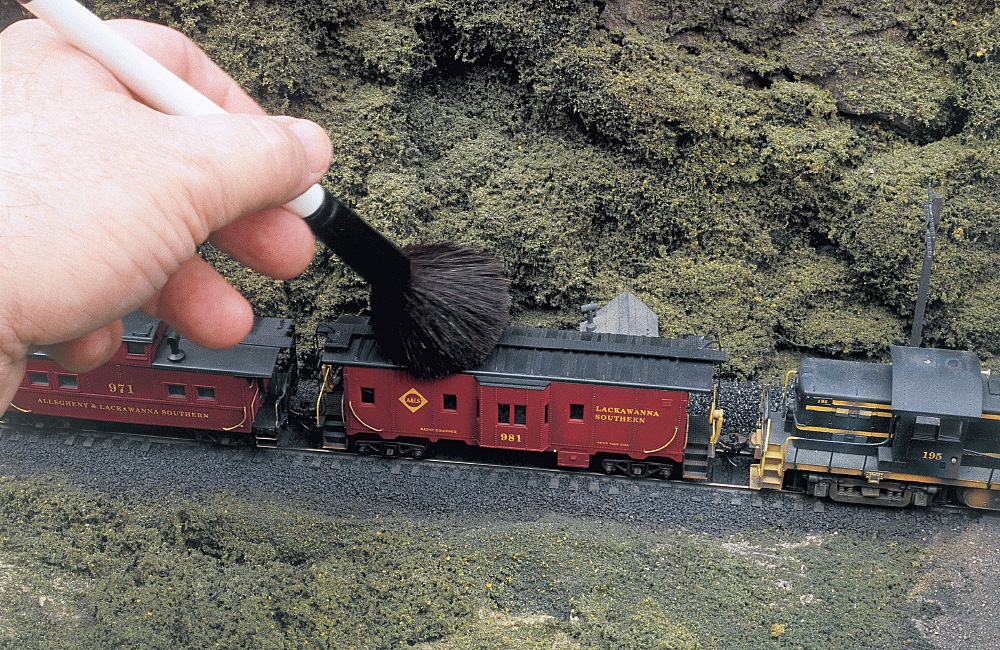
If you’re looking forward to hosting an operating session, open house, layout photo session, or just a visit from friends and relatives, you want your layout to make the best possible impression. But there’s more to cleaning a model railroad than just polishing the track and wheels, as important as those things are. Dust is […]
