
Wiring and cab window digrams for Battery power without compromises
batterypowerdiagramsjune2016issue

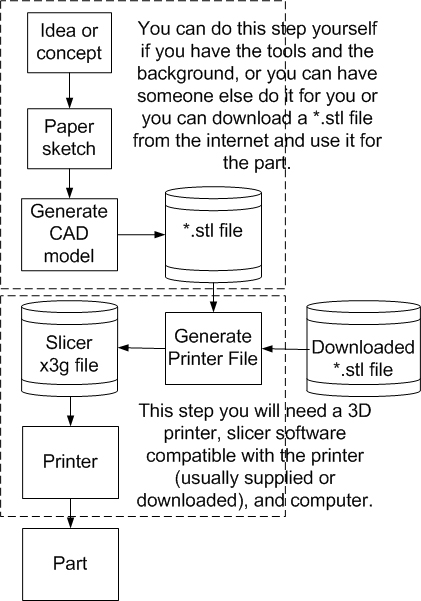
Wiring and cab window diagrams for Larry Naus’ story in the June 2016 Model Railroader. Larry Naus didn’t want to give up anything when he decided to build a pair of HO scale battery-powered Geeps. The models use radio control and include Digital Command Control (DCC) with sound and full lighting effects. Battery power for […]

Read More…

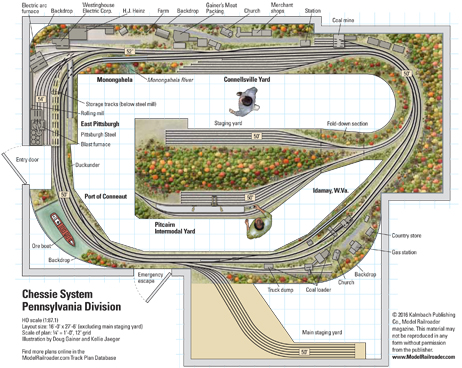
HO scale Chessie System Pennsylvania Division

HOscaleChessieSystemPennsylvaniaDivision

Name: Chessie System Pennsylvania Division Layout owner: Doug Gainer Scale: HO (1:87.1) Size: 16′-0″ x 27′-6″ (excluding main staging yard) Prototype: Chessie System Locales: Pittsburgh, Lake Erie port, West Virginia coalfield Era: 1972 to 1992 Style: walk-in Mainline run: 60 feet Minimum radius: 40″ Minimum turnout: no. 6 (main line), no. 4 (yards and branch […]

Read More…

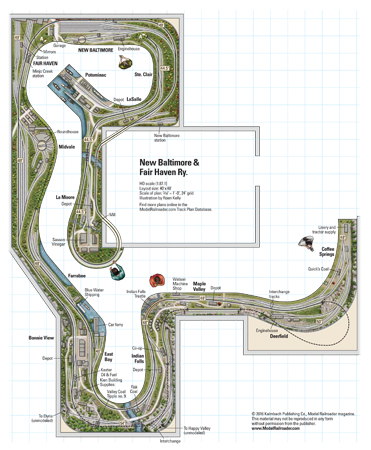
HO scale New Baltimore & Fair Haven Ry.

HOscaleNewBaltimoreFairHavenRy

Name: New Baltimore & Fair Haven Ry. Layout owner: Greg Rich Scale: HO (1:87.1) Size: 40 x 48 feet Locale: freelanced Era: 1928 Style: walk-in Minimum radius: 29″ Minimum turnout: no. 4 Maximum grade: 2.8 percent Benchwork: open grid Height: 441⁄2″ to 54″ Roadbed: Homasote on 1/2″ plywood Track: flextrack and handlaid code 83, 70, […]

Read More…

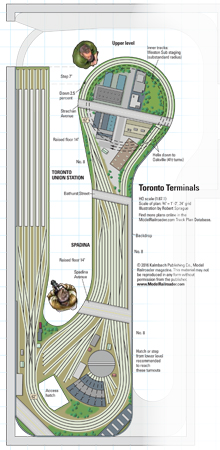
HO scale Toronto Terminals

HOscaleTorontoTerminals1

Name: Toronto Terminals Layout owner: Bob Sprague Scale: HO (1:87.1) Layout size: 10 x 25 feet Locale: Toronto Era: 1980 Style: double deck Mainline run: 158 feet (with helix) Minimum radius: 30″ (mainline), 18″ (industries) Minimum turnout: no. 6 Maximum grade: 2.5 percent (helix) This track plan originally appeared in the June 2016 Model Railroader. […]

Read More…

Coastal white cedar or Andy’s cedar

white_cedar

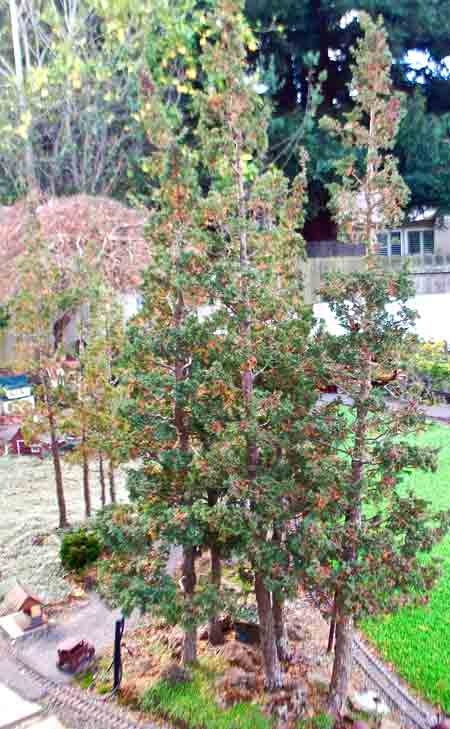
Nancy Norris Common name: Coastal white cedar, Andy’s cedar Latin name: Chamaecyparis thyoides ‘Andelyensis Conica’ Plant type: Dwarf conifer USDA Hardiness Zones: 4-10 Cultural needs: Moist, well drained, neutral or slightly acidic soil; full sun Plant size: 3′ x 1’6″ in ten years, without pruning Jack Verducci The heritage of Andy’s cedar goes back to […]

Read More…

Winston-Salem Southbound Series: Hero Trees – Adding foliage

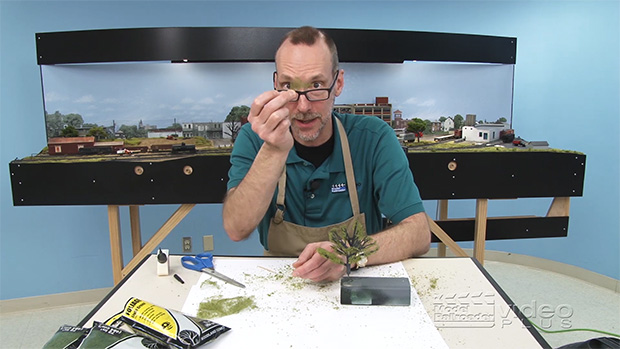
Having trouble viewing this video?   Please visit our Video FAQ page In this final segment on making well-detailed foreground trees for our HO scale Winston-Salem project layout, David shows how to add a lush, realistic canopy to the plastic armature he assembled in the first video. […]

Read More…

Winston-Salem Southbound Series: Hero Trees – Adding and shaping branches

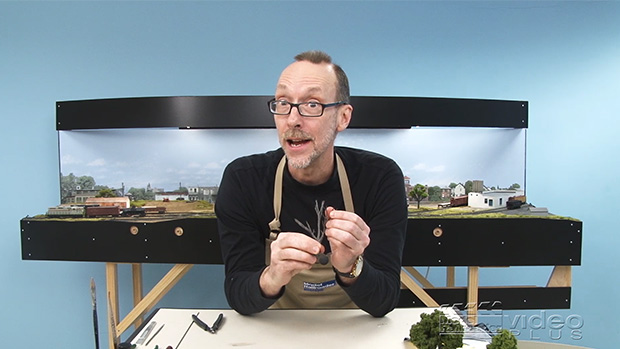
Having trouble viewing this video?   Please visit our Video FAQ page Every layout needs a hero — hero tree, that is! Even MRVP’s industry-oriented HO scale Winston-Salem project layout can use a few well-detailed or “heroic” trees in foreground areas. In this first of two videos, David shows the initial steps for building, shaping, […]

Read More…

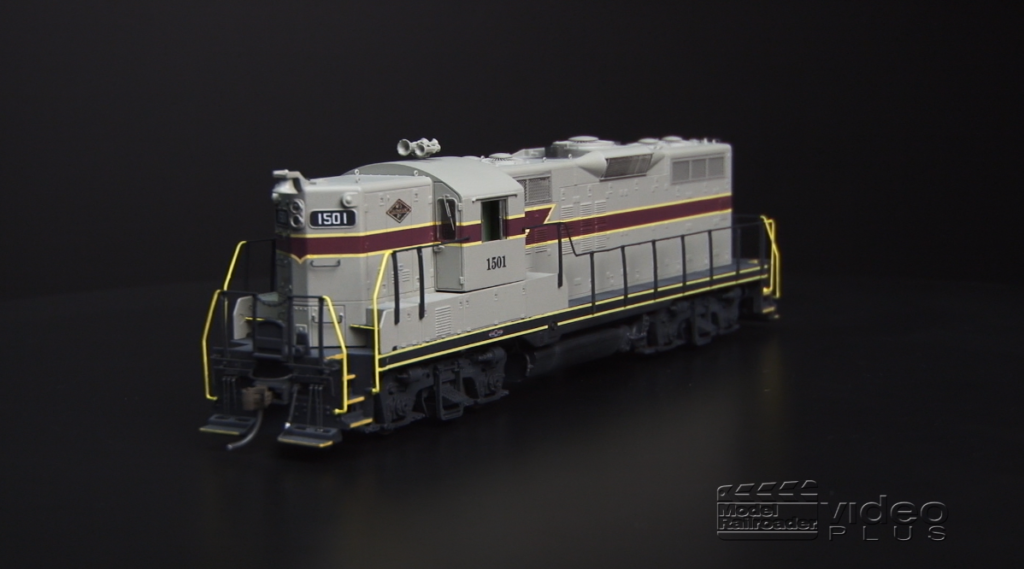
Winston-Salem Southbound Series: Painting an EMD GP9 diesel locomotive, Part 8 – Installing final detail parts

Having trouble viewing this video?   Please visit our Video FAQ page In this final episode of the mini-series, Cody wraps up the project by adding grab irons, M.U. cables, and then applying a touch of paint. He then shows how to re-assemble the Athearn HO scale GP9 diesel locomotive before giving the custom-painted Winston-Salem […]

Read More…

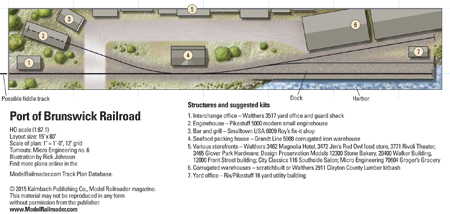
HO scale Port of Brunswick Railroad

HOscalePortofBrunswickRR

Name: Port of Brunswick RR Layout owner: Paul Boehlert Scale: HO (1:87.1) Size: 15″ x 80″ Prototype: freelanced Locale: Brunswick, Ga. Era: mid-1950s Style: shelf switching Mainline Run: none Minimum Radius: 24″ Minimum Turnouts: no. 6 Maximum Grade: none This track plan originally appeared in the May 2016 Model Railroader. Click on the link to […]

Read More…

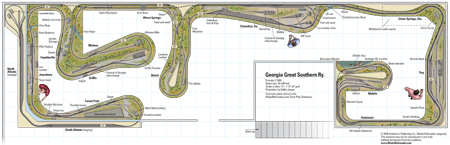
N scale Georgia Great Southern

NscaleGeorgiaGreatSouthern

Name: Georgia Great Southern Layout owner: Joe Gelmini Scale: N (1:160) Size: 18 x 60 feet Prototype: Southern Ry. Locale: Atlanta, Ga. to Mobile, Ala. Era: mid 1950s to 1970 Mainline run: 400 feet Minimum radius: 20″ Minimum turnout: no. 8 (main), no. 6 (yards and sidings) Maximum grade: 2 percent Benchwork: open grid, L […]

Read More…