
Hardscape using cement products
hardscape1

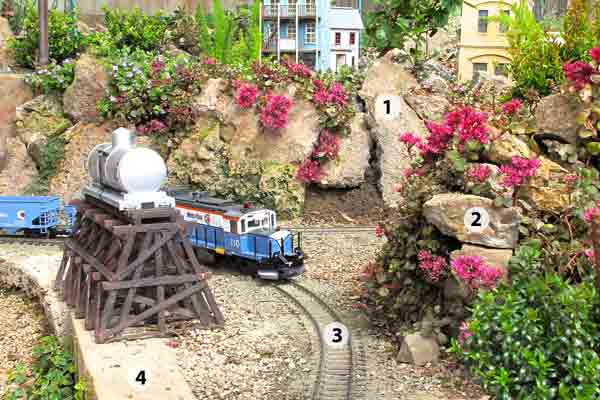
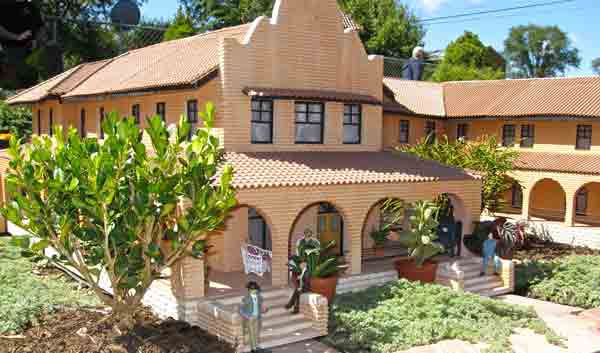
1. Edward Van Pelt’s small yard in hilly San Francisco required retrofitting by reusing the underside of walkways as new hardscape. Stacked, recycled concrete (also from on site) forms the hill on the right. Planted with pink-flowering red stonecrop (Sedum spurium ‘Dragon’s Blood’ Zones 3-9), elevated terraces resist erosion from earthquakes and four dogs. In […]

Read More…

False bleeding heart

false_bleeding_heart

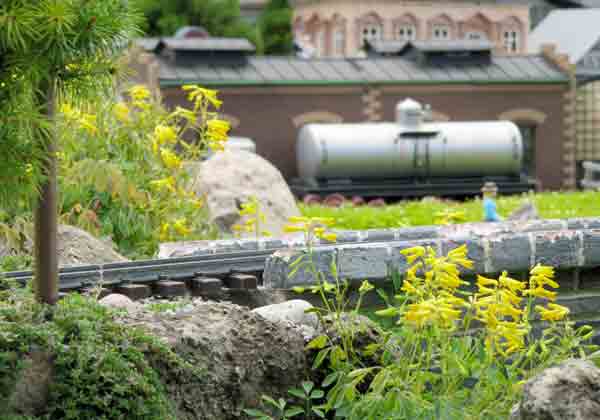
Nancy Norris Common names: False bleeding heart, Yellow corydalis, Yellow fumitory Latin name: Corydalis lutea Plant type: Perennial USDA Hardiness Zones: 4-8 Cultural needs: Moist, well drained, mildly acid or mildly alkaline soil; shade to part shade Plant size: 6-12″ Native to the southern Alps of Europe, yellow corydalis (kor-ID-ah-liss) sports tubular, spurred flowers on […]

Read More…

Black-leaved clover

clover

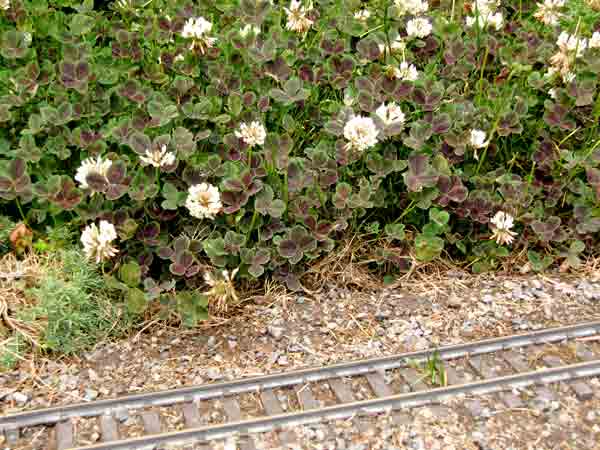
Nancy Norris Common name: Black-leaved clover Latin name: Trifolium repens ‘Atropurpureum’ Plant type: Groundcover USDA Hardiness Zones: 4-10 Cultural needs: Well drained, moist soil; sun to shade Plant size: 3-6″ high by 12″ wide White clover is native to every US State and almost all Canadian provinces. This portrait shows a selection of the common […]

Read More…

How to use the color red in the garden

color_red1

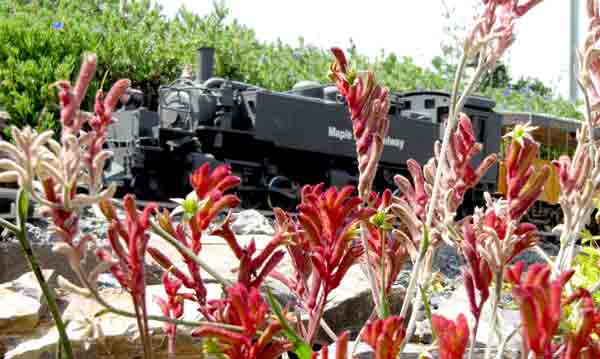
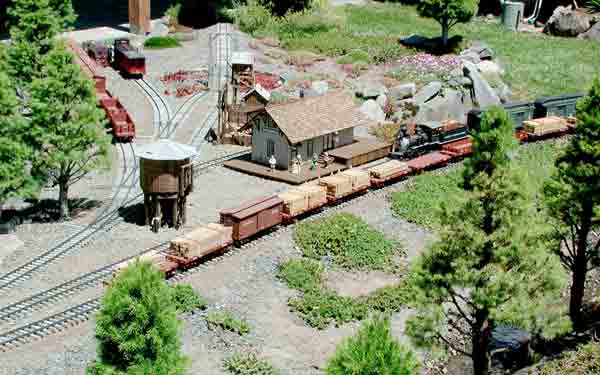
1. From the edge of the railway, red kangaroo paws (Anigozanthos ‘Dwarf Delight’, Zones 9-11) wave furry red fingers at trains from multi-branched stems all summer. Frank and Ruby Andrews planted these Aussie imports lower than the track to frame their Maple Rock Railway as trains pass. The plants’ frost-sensitive basal leaves may require mulching […]

Read More…

How to train trees like topiaries

trees on a hillside

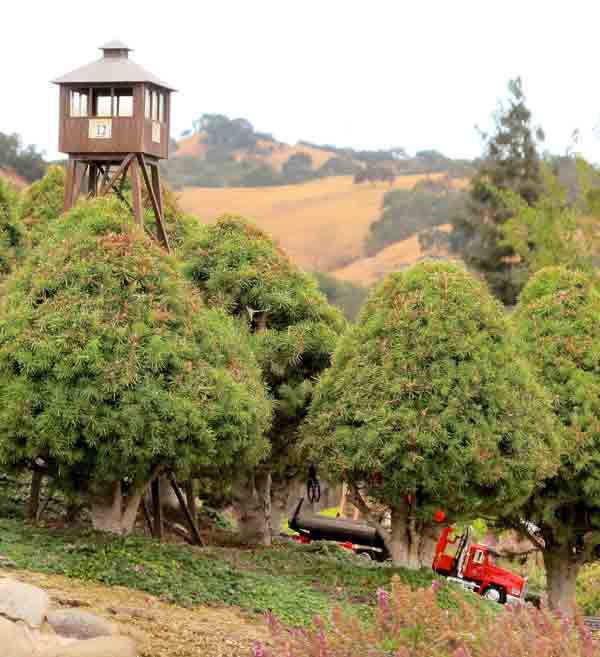
Our little scale trees really make or break the scale quality of our railway gardens. Did you know you could choose from several methods of keeping trees in scale? Here are three practices, but we’ll focus on the third. One approach, planting genetically miniature* plants, ensures almost no pruning for quite a long time but […]

Read More…

Sustainability for lasting enjoyment

train near rocks on garden railway

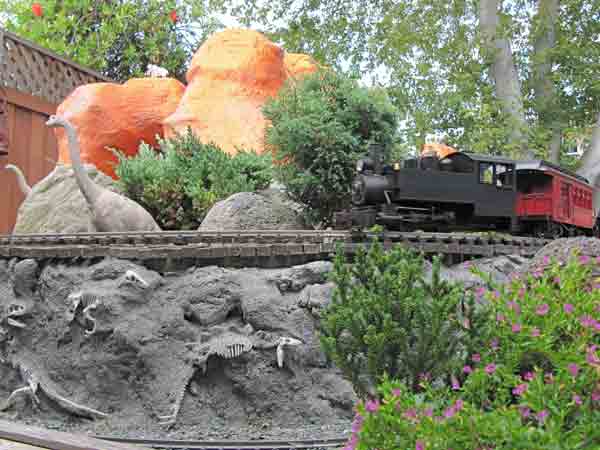
When we start out, we intend to make our dream come true. Our piqued imagination and the enthusiasm of fellow modelers are necessary to sustain us through the long construction process. Long-term and second-go-round railroad gardeners have used strong building materials for their walks, retaining walls, railroad and structures. They researched the plants to find […]

Read More…

How to use sedum in your railroad garden

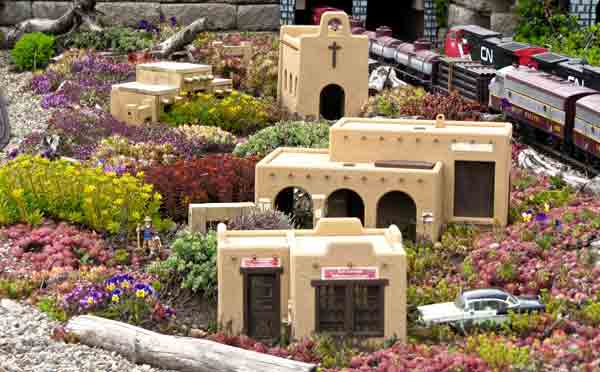
adobe houses on garden railroad

Got a brown thumb? Need low, rugged groundcover? Here’s a botanical group of succulents with more than 400 varieties—sedums. Common names include “live forever” and “stonecrop” but most gardeners call them sedum (rhymes with “can’t beat ’em”). In this column you’ll see foliage colors that range like a rainbow, from red to purple and even […]

Read More…

A catalog of useful plants for railroad gardens

catalog3

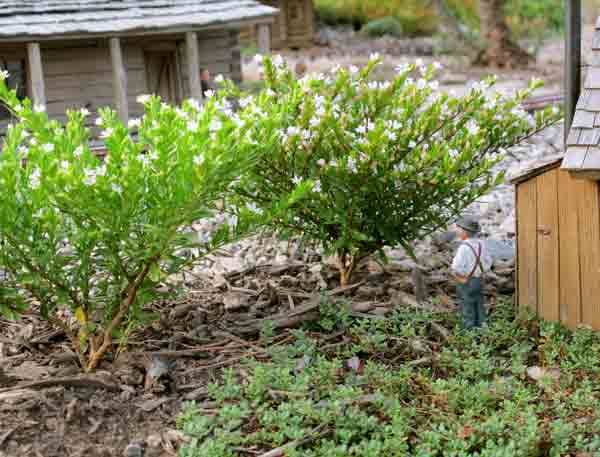
What appear to be small apple trees in bloom are really Mexican false heather, a.k.a. elfin herb (Cuphea hyssopifolia, Zones 8-11). These are easy to grow in full to partial sun and average soil and watering. They flower almost continually with white, pink, red, or purple blossoms, outdoors year round in the south or over-wintered […]

Read More…