




Q I just saw the preview for “Unstoppable.” How can a train with no air in the reserve tank and brake cylinders roll away? I thought once all the air is drained the brakes will automatically apply?— Andrew Marino, Lincoln Park, N.J. A Railroad air brake systems need air pressure to function, and it’s held […]
Tag: Freight
A key connection
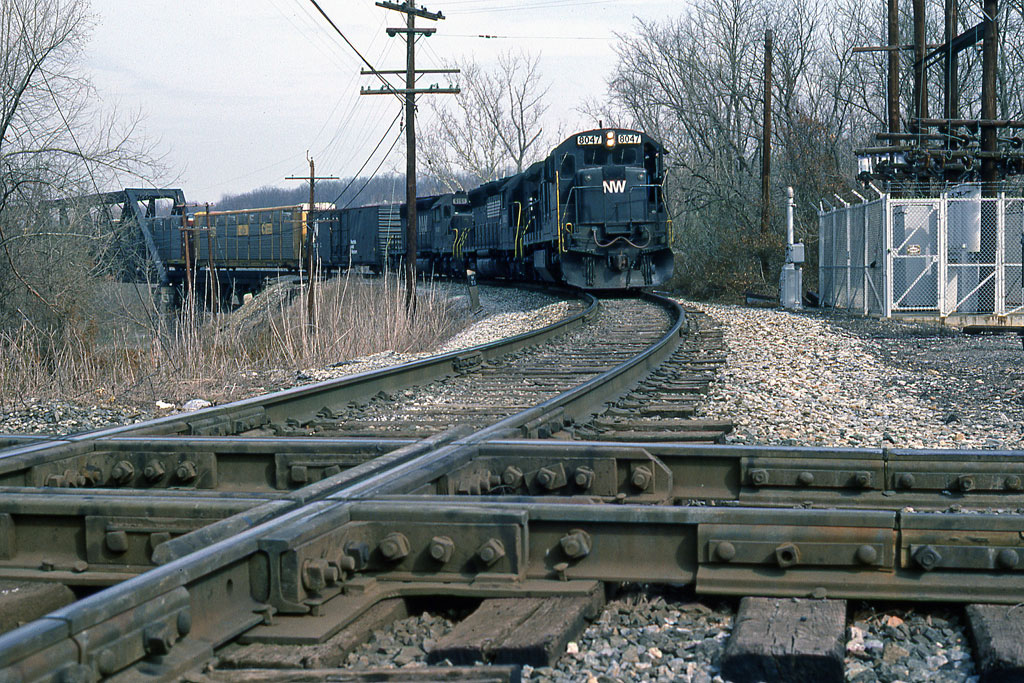
A southbound Norfolk & Western freight train approaches the Southern Railway junction at Front Royal, Va., in this undated photo. The junction here will become a key connection when N&W and Southern merge to form the Norfolk Southern Railway in 1982. Photo by Michael S. Murray […]
Freight station operations for the model railroader
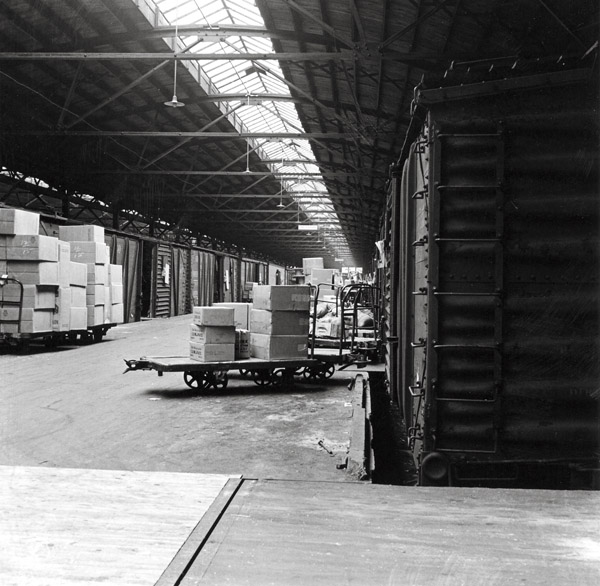
Many of our model railroads have freight stations, but we don’t always make the most of their operational possibilities. Especially for cities from medium to larger size, freight stations can be among the busiest industries on our layouts. Freight stations provide rail service to businesses that don’t have their own rail sidings. You can think […]
The high iron
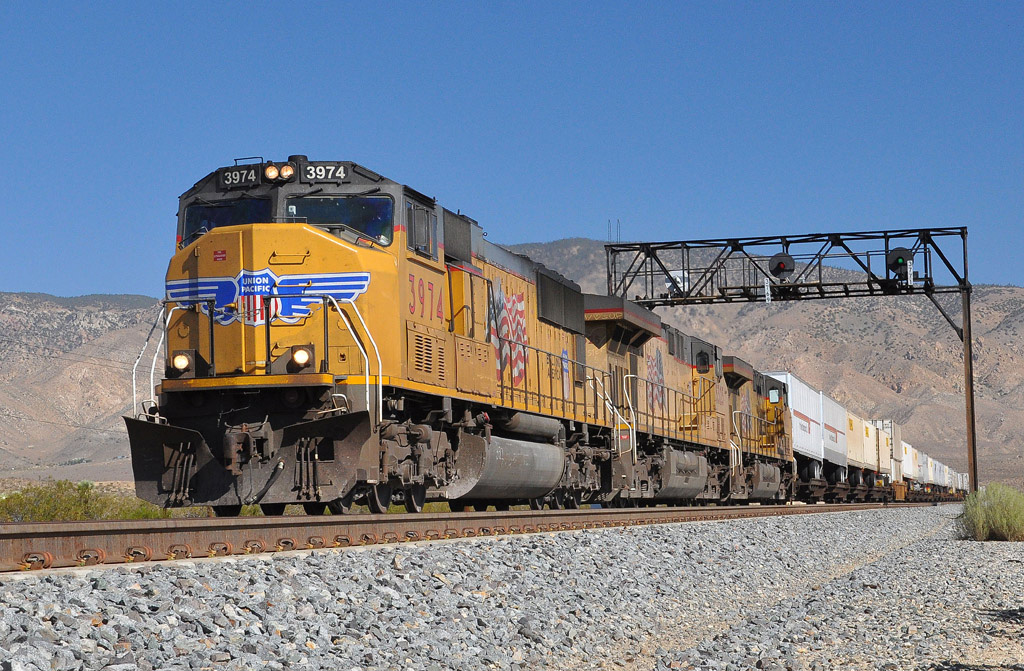
Three Union Pacific diesels muscle a southbound intermodal train under classic Southern Pacific searchlight signals near Mojave, Calif., on Sept. 3, 2010. In the background are the Tehachapi Mountains, site of one of the world’s most impressive railroad crossings of a mountain range. Photo by William Steck […]
Thundering through Jasper
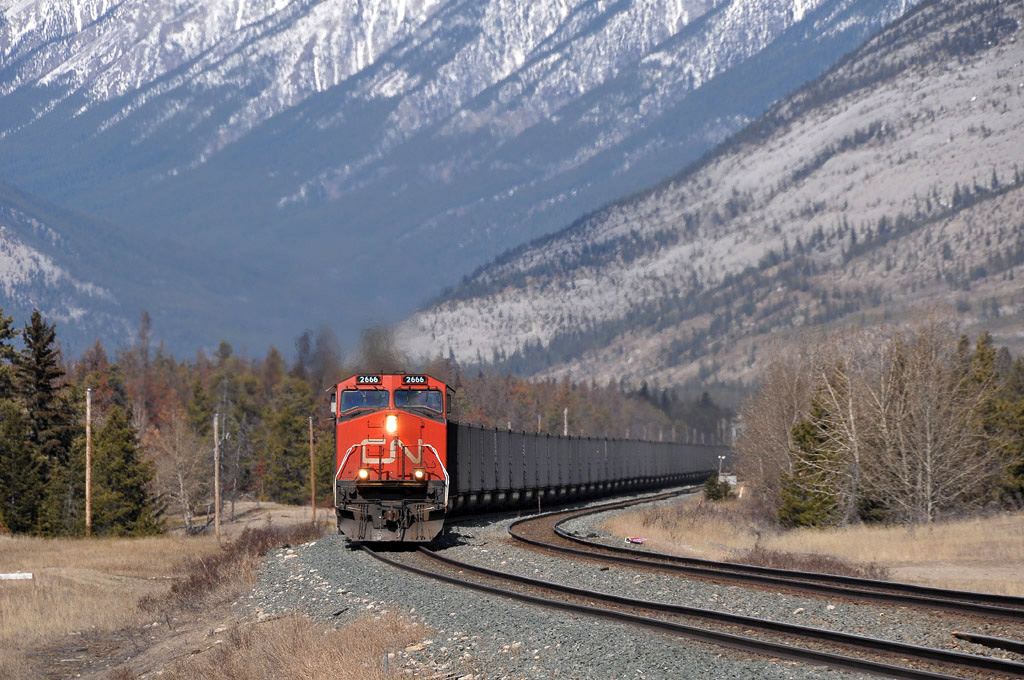
Canadian National coal train C77951 (Winniandy, Alta., to Vancover, B.C.) thunders through Jasper, Alta., on April 6, 2009. Both CN and competitor Canadian Pacific move high-grade metallurgical coal from western Canadian mines to the Vancover-area port of Roberts Bank for export. Tim Stevens photo […]
Headed through the Columbia River Gorge
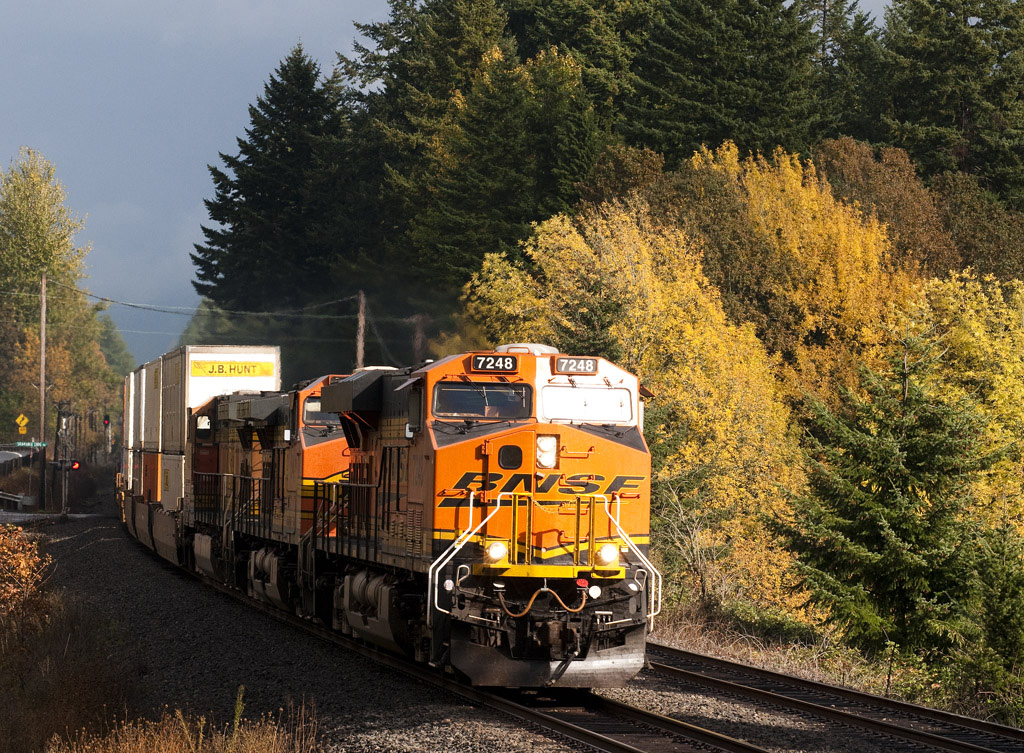
BNSF Railway ES44DC 7248 leads a westbound intermodal train through the Columbia River Gorge past Skamania, Wash., in the fall of 2009. The lead locomotive was delivered earlier in the year. Ron Burkhard photo […]
Emerging from Hagans Tunnel
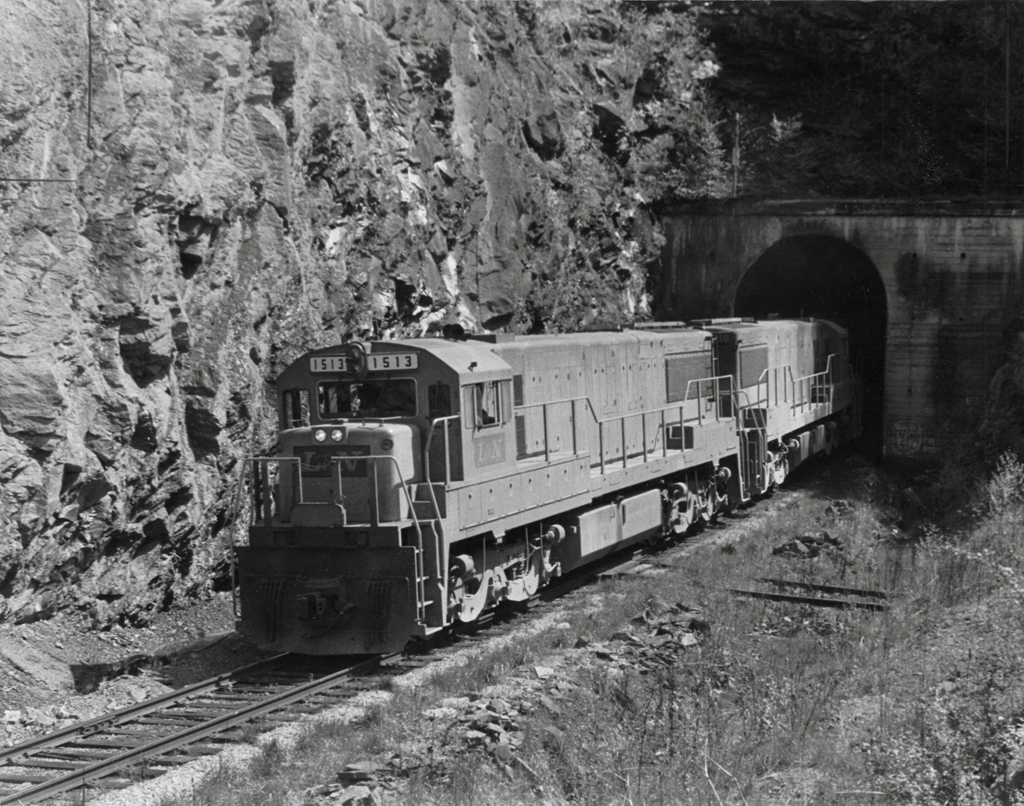
Louisville & Nashville Cumberland Valley fast freight No. 66 leaves the north portal of Hagans Tunnel in May 1966. Three fairly new General Electric U25Cs are on the point of this train, which has just passed through L&N’s longest tunnel at 6,244-feet. Ron Flanary photo […]
Atlas O bulkhead flatcar
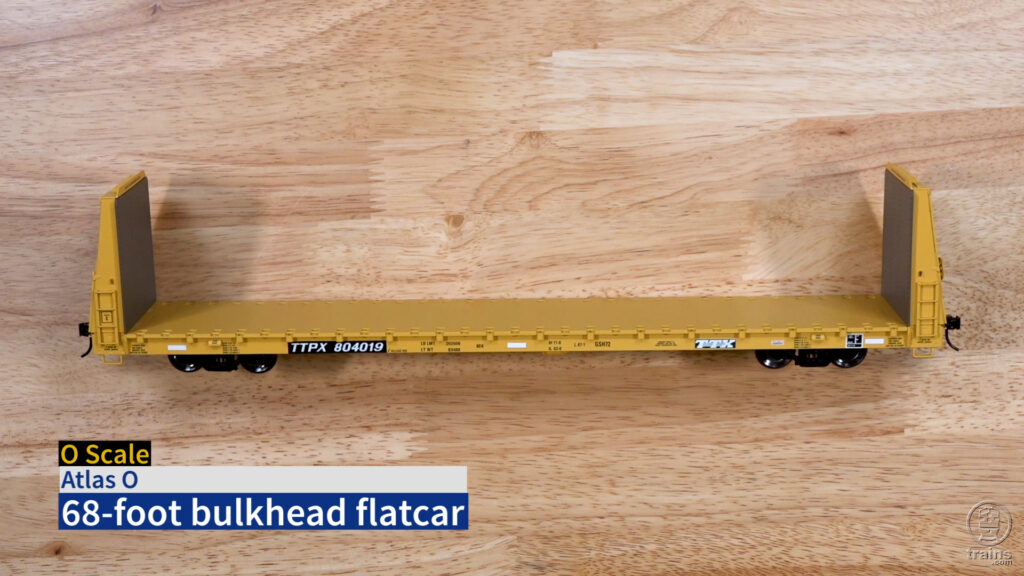
The Atlas O 68-foot bulkhead flatcar is back in new paint schemes and road numbers. Model Railroader magazine Senior Editor Cody Grivno hosts our latest product review video, taking an in-depth look at the Trainman series model. Features on the bulkhead flatcar include side stake pockets, simulated tie loops, a fish-belly center sill, pull plates, […]
Passing through Boca Raton, Florida
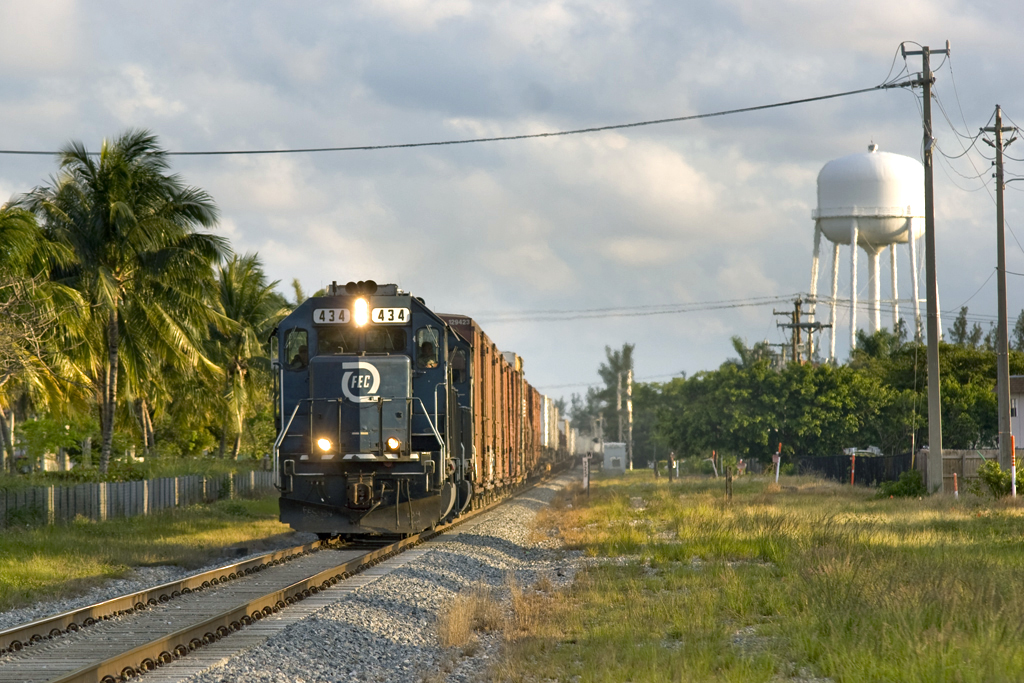
Florida East Coast train No. 218 passes Boca Raton, Fla., on April 11, 2008. The railroad, now a sister to RailAmerica, depends on intermodal and aggregate shipments to sustain its Miami-Jacksonville, Fla., route. Thomas J. Nanos photo […]
Humping cars in Union Pacific’s Bailey Yard
Union Pacific’s Bailey Yard in North Platte, Neb., was named world’s largest rail yard by Guinness. The yard’s 2,850 acres includes two separate hump yards (eastbound and westbound) where freight cars are sorted and combined into new trains. From the top of the West Hump tower, watch cars move toward the crest of the hump, […]
BNSF diesels pass through Chillicothe, Iowa
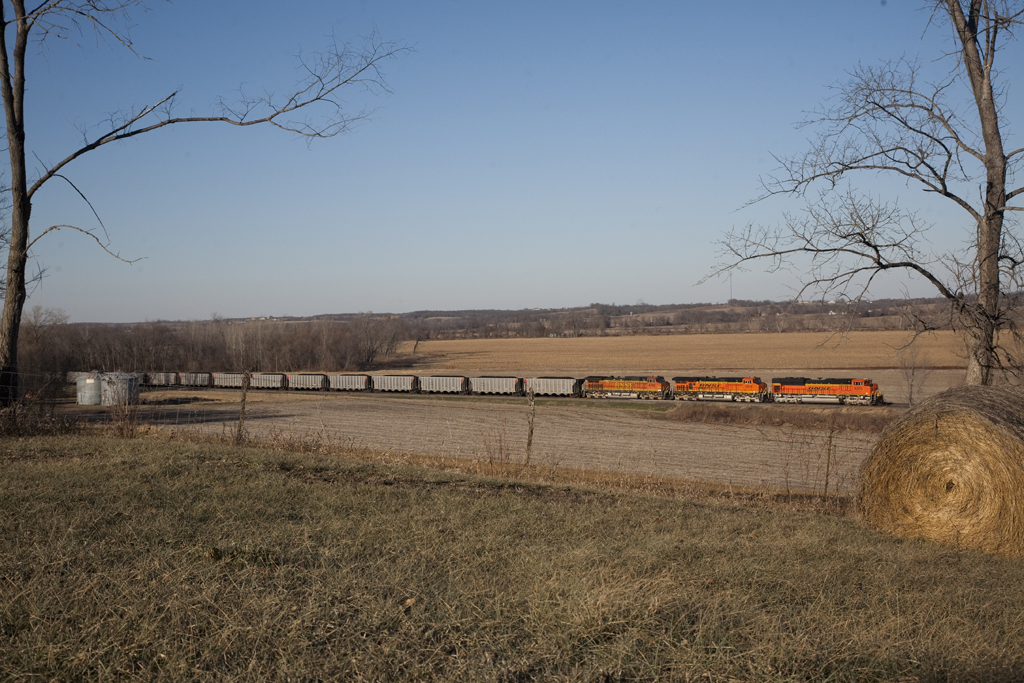
Three BNSF Railway diesels pull train CATMCXEO-88 past Chillicothe, Iowa, on a snowless Dec. 4, 2006. The train is crossing BNSF’s busy ex-Chicago, Burlington & Quincy route across southern Iowa, a key coal route for BNSF. Photo by Craig Williams […]
Intermodal trains per day in 1984
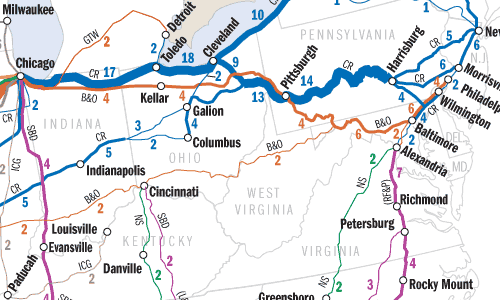
Intermodal haulage on railroads initially resembled loose-car railroading: Cities of varying sizes had ramps that originated a few flatcars, which were added to merchandise freights. A trucker, though, could beat that service easily. Larger cities generated solid intermodal trains, but the cost of terminals, equipment, and operations made the business lucrative only in lanes of […]
