
How to preserve a favorite model
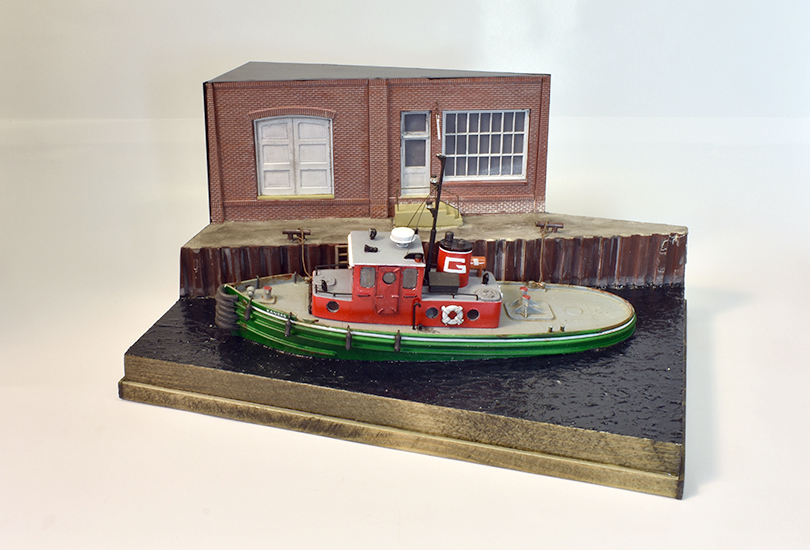
an HO scale model of a red and green tugboat is tied to a steel dock in front of a brick warehouse building

Model railroaders are model builders, and sometimes we build models for layouts that aren’t there anymore, and the old models lose their spot. We like our models, but we don’t have a use for them in any of our new projects, so they go into boxes and get stored under our layouts, slowly disintegrating. I […]

Read More…

Cody’s Trackside Finds: A potpourri of motive power

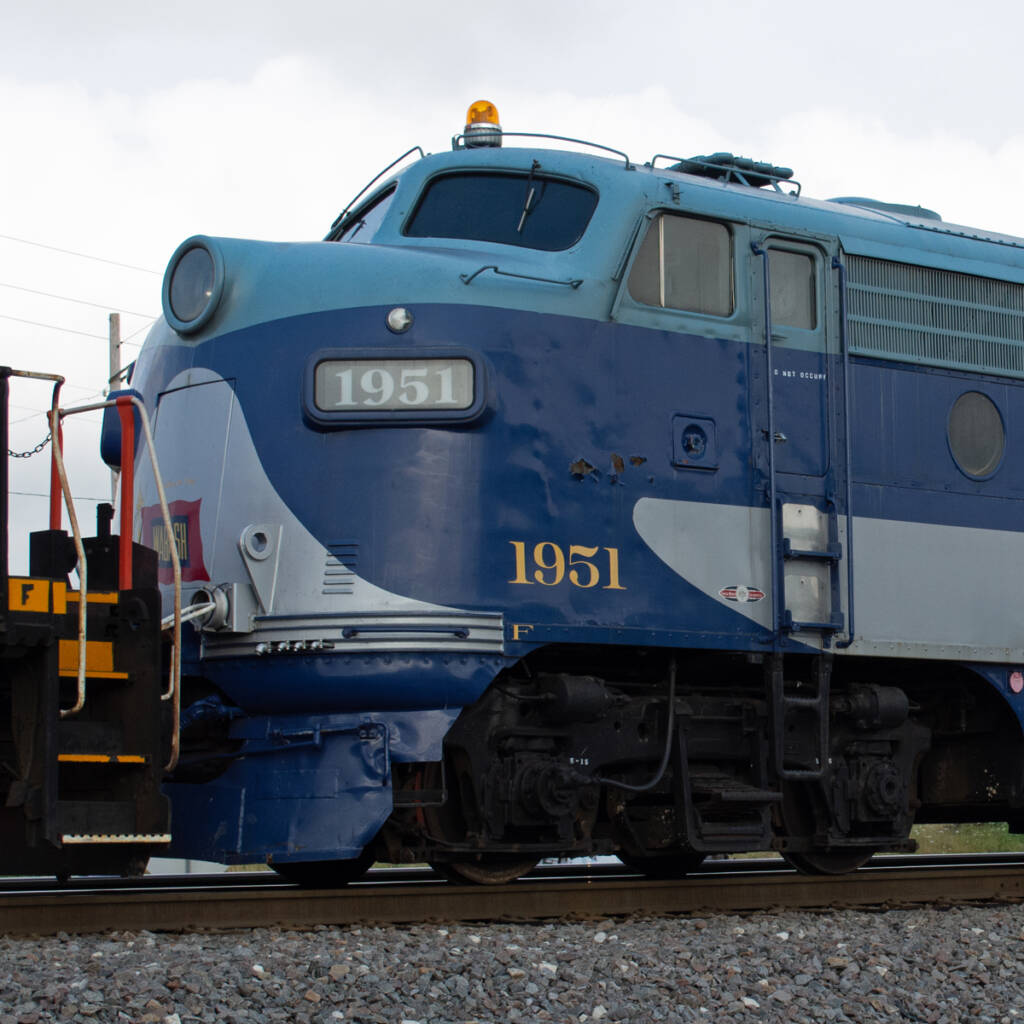
Color photo showing front of EMD four-axle cab unit painted blue and gray with yellow graphics.

My daily commute to our former Kalmbach Media offices at 21027 Crossroads Circle in Waukesha, Wis., conveniently crossed the Union Pacific, Canadian National, and Canadian Pacific. Most days I didn’t encounter a train. If I did, I was usually stuck too far back in the cue of traffic to get any meaningful photos. But the […]

Read More…

Innovative early 1980s model railroad products

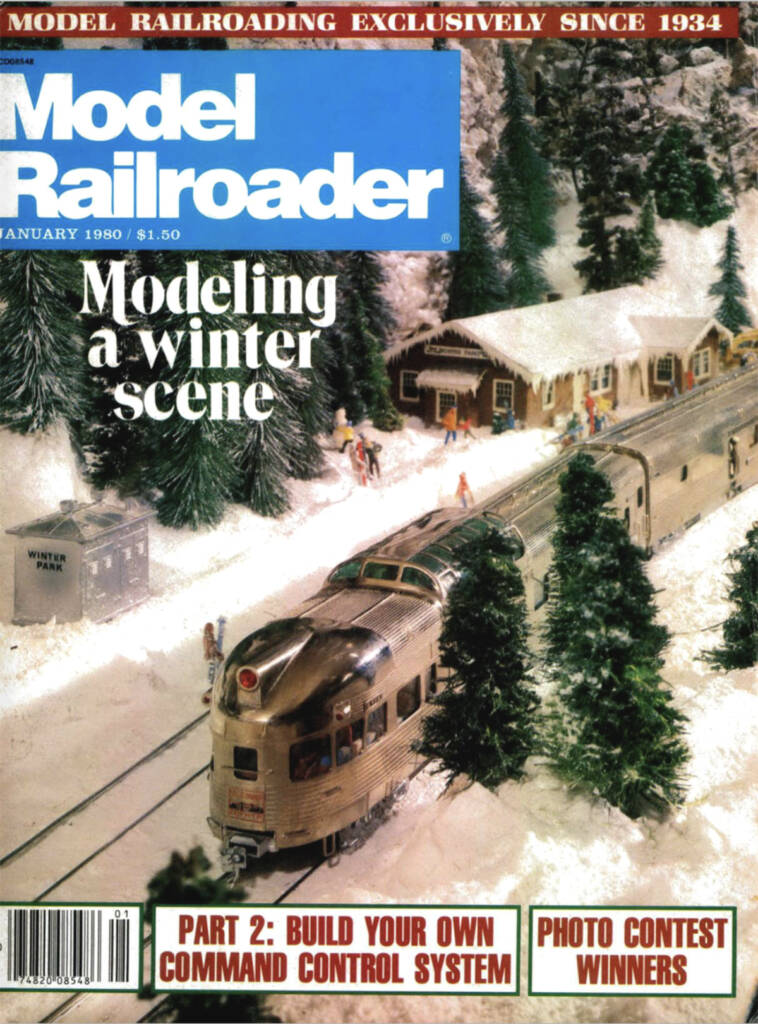
The January 1980 cover of Model Railroader

If you’ve followed Model Railroader’s Facebook page, you’ll probably know that periodically over the past several years, I’ve made posts called “Lunchtime Reading,” which are simply my musings on products, articles, and innovations as found in past issues of Model Railroader magazine. For this expanded installment, I chose to do a deep dive on the […]

Read More…

Layout landscaping with live cactus plants

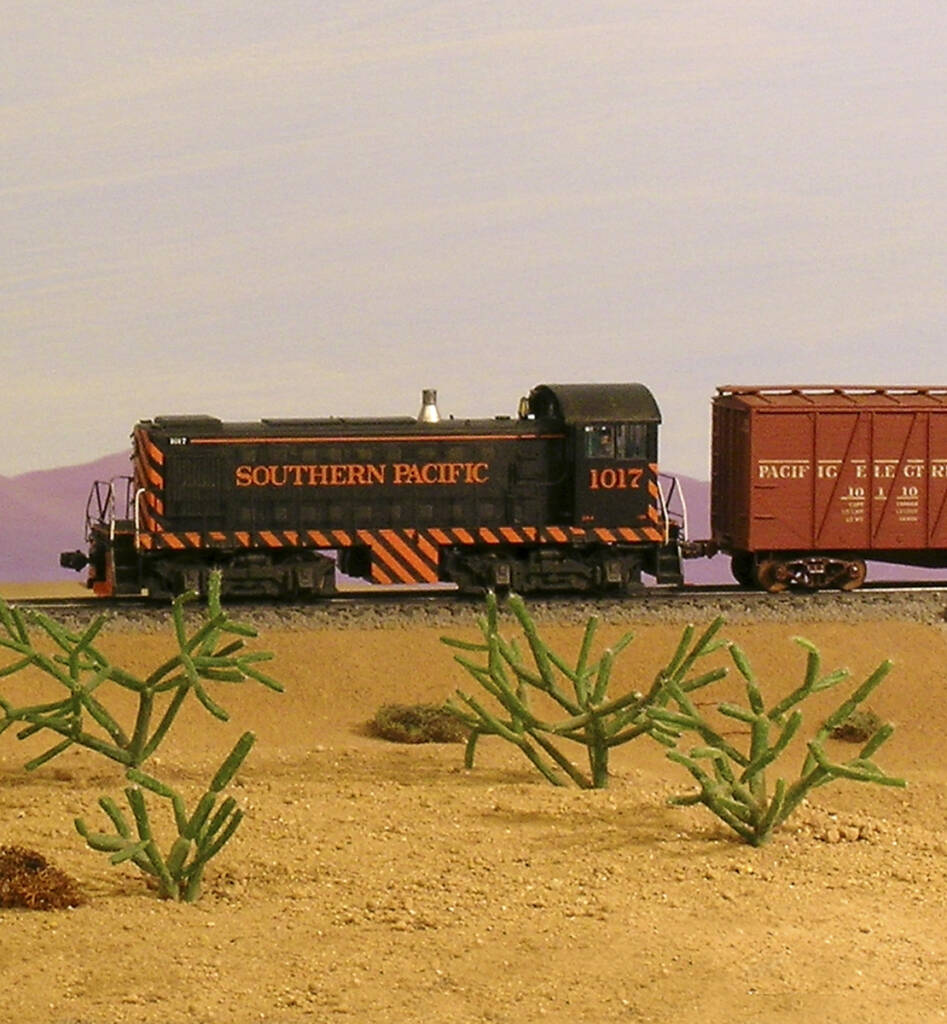
A model train in a desert setting with live cacti plants

Set in Southern California, my HO scale layout includes a Southern Pacific train order office surrounded by a desert scene. Although this arid landscape has sparse vegetation, my scene needed two prominent desert plants – palm trees and cacti – to look complete. I found good artificial palm trees, but commercially available artificial cacti didn’t […]

Read More…

Rechargeable battery options for dead-rail locomotives

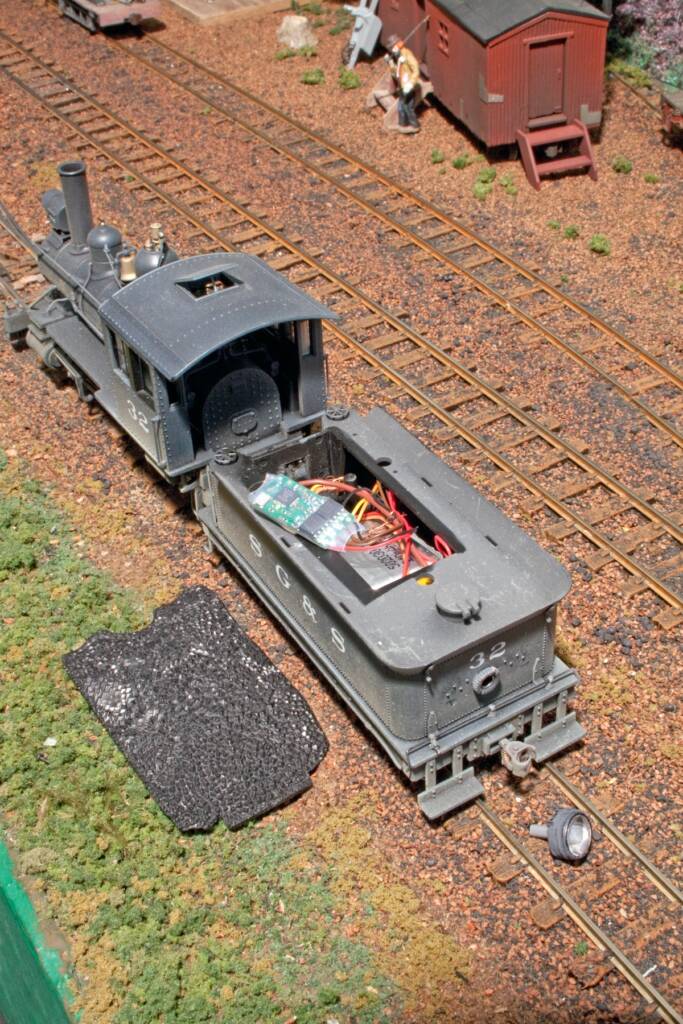
Model steam locomotive tender opened reveals electronics

“Dead Rail” or “Power on Board” — no matter what you call it, the concept is the same: a model locomotive that carries its own power source. This eliminates the need for alternating or direct current track power, along with multiple headaches such as short circuiting, dead frogs, and dirty rails. Rechargeable batteries have become […]

Read More…

Five model railroad painting hacks

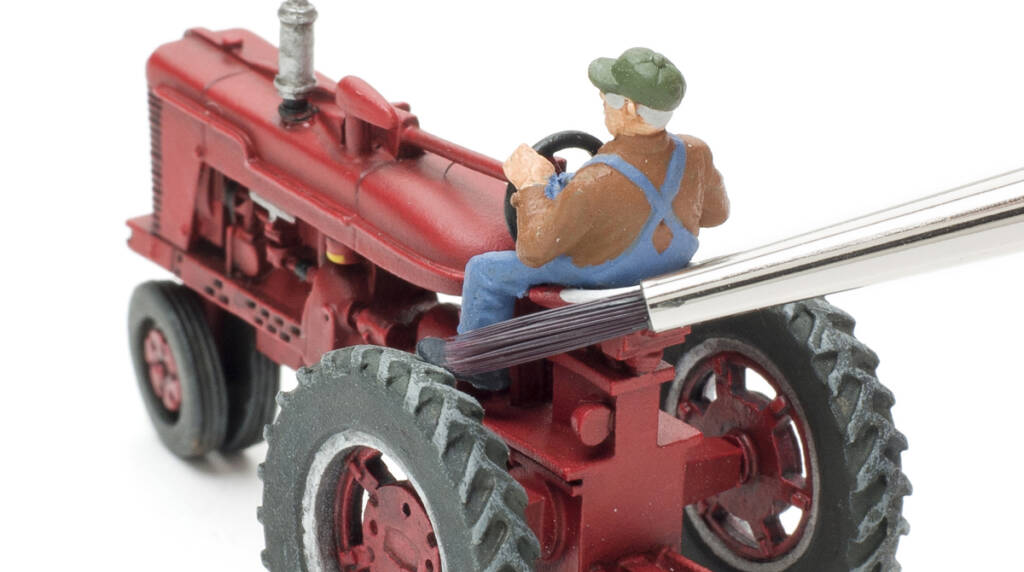
Color photo showing HO scale 1950s farm tractor painted red with driver figure wearing bib overalls and the bristles of a paintbrush touching the left rear tire.

Painting is one of my favorite aspects of the hobby, though I guess that shouldn’t come as a big surprise. My father and grandfather were auto body repairmen, so painting (albeit on vehicles, not model trains) has been a part of my life from an early age. I started airbrushing model trains in my early […]

Read More…

Must-have products for a Burlington Northern layout

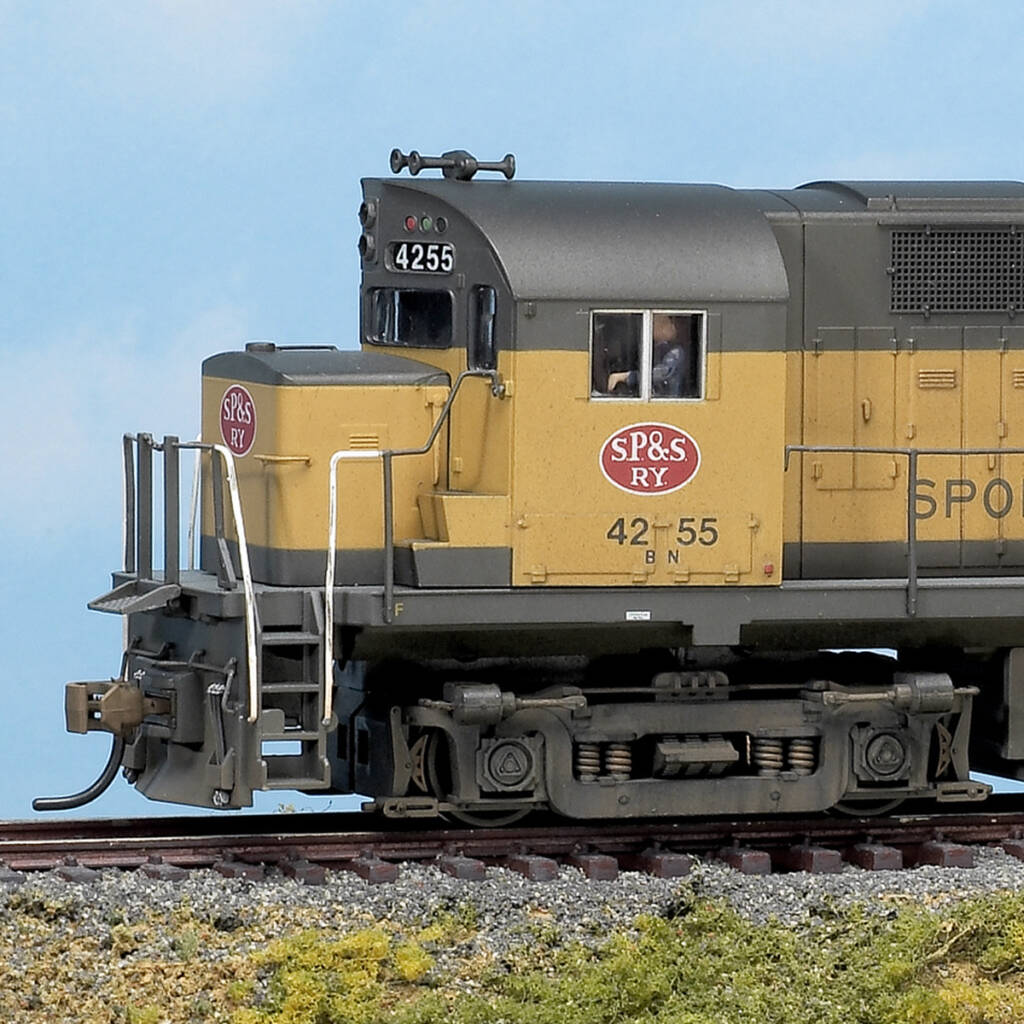
Color photo showing front of HO scale diesel painted yellow and black with red, white, and black graphics on scenic base with sky backdrop.

The Burlington Northern RR began operations in March 1970, the product of a merger between the Chicago, Burlington & Quincy; Great Northern; Northern Pacific; and Spokane, Portland & Seattle. It was also the railroad I grew up with in Crookston, Minn., my hometown in northwest Minnesota. For many years, I’ve been researching the early years […]

Read More…

Scratchbuilding from photographs

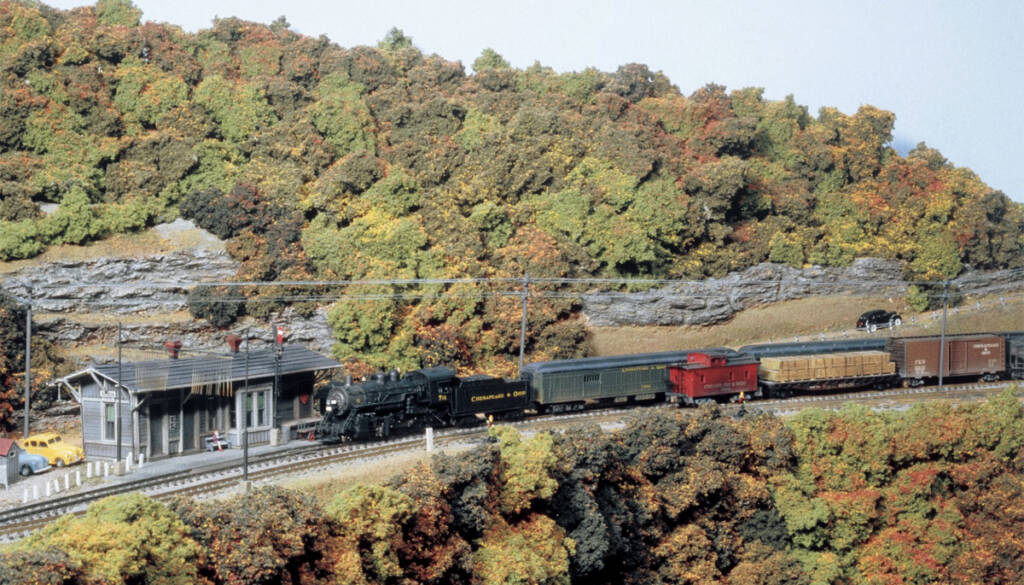
A freight train passes a station on a model railroad layout with an autumnal setting

When I first started work on my layout, I built wood and plastic structure kits. I quickly grew frustrated with these buildings as few of them represented those found in Appalachia and along the Chesapeake & Ohio. Considering the lack of accurate building available on the marktet, I began scratchbuilding my own structures from wood […]

Read More…

How to use servos on your layout

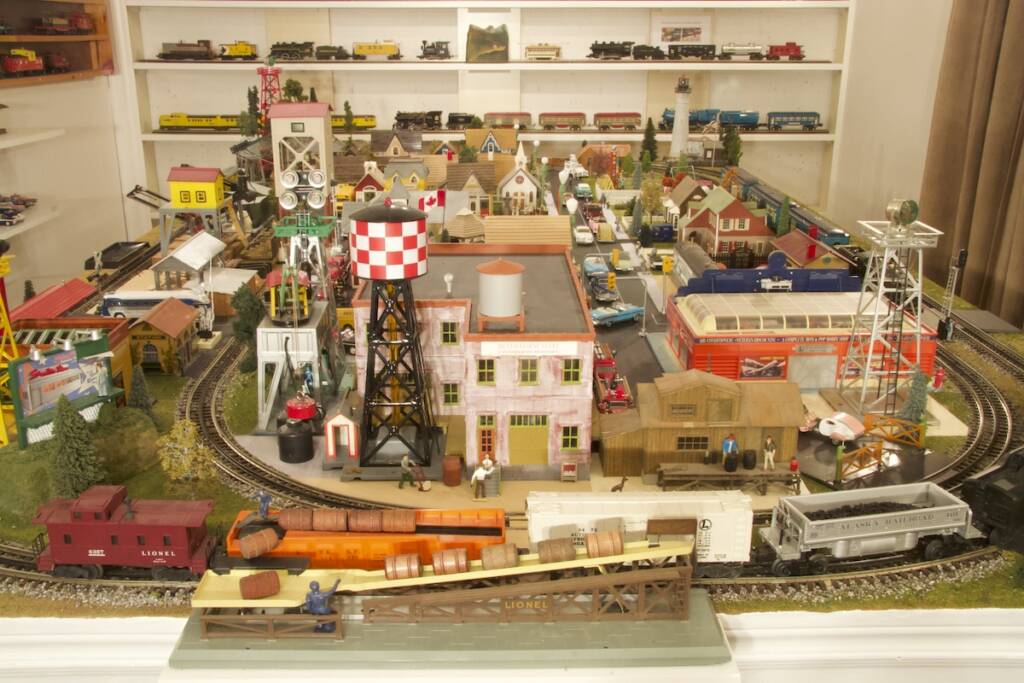
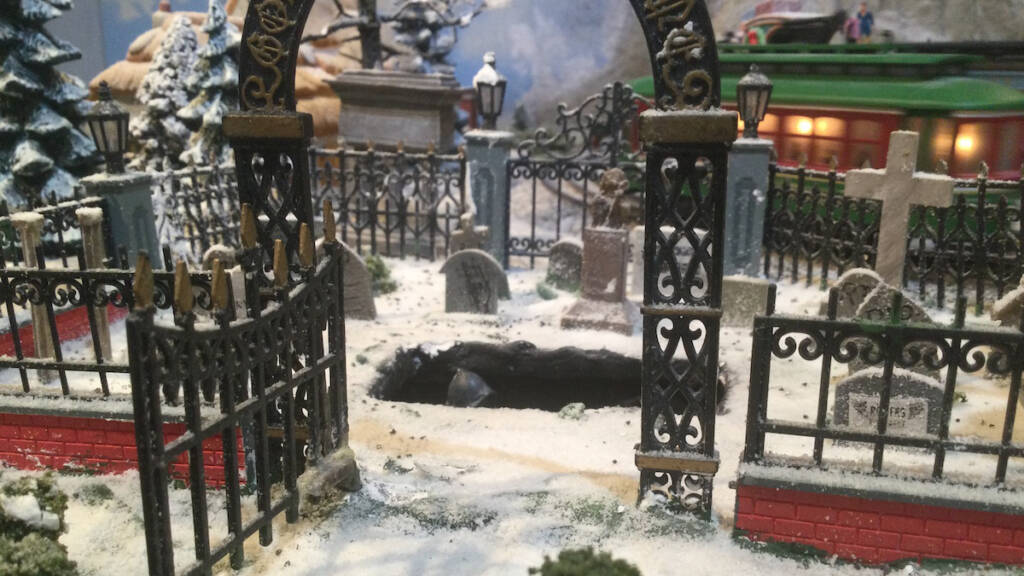
A cemetery on a toy train layout

I enjoy animating scenes on my O gauge layout, and have come across a great way to get slower, more-precise realistic action: using servos. A servomotor, or servo, is a small, inexpensive device that provides control over the position, speed, and acceleration of a mechanical system. The device is readily available, easy to program, and […]

Read More…