
B&O Museum puts spotlight back on American Freedom Train 1
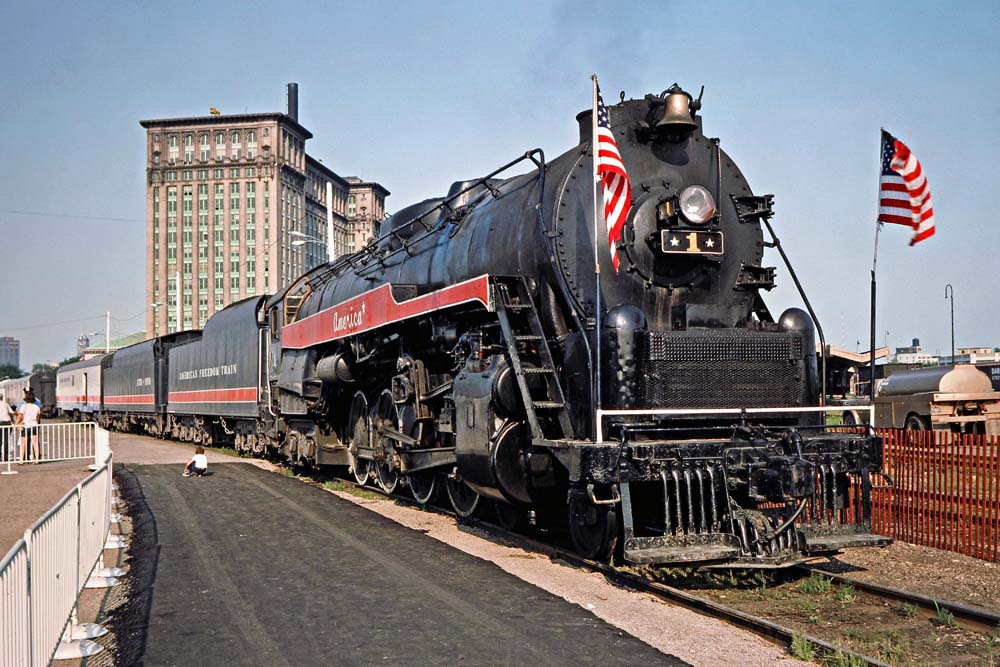
Red, white, and blue steam locomotive with flags in front of towering passenger station

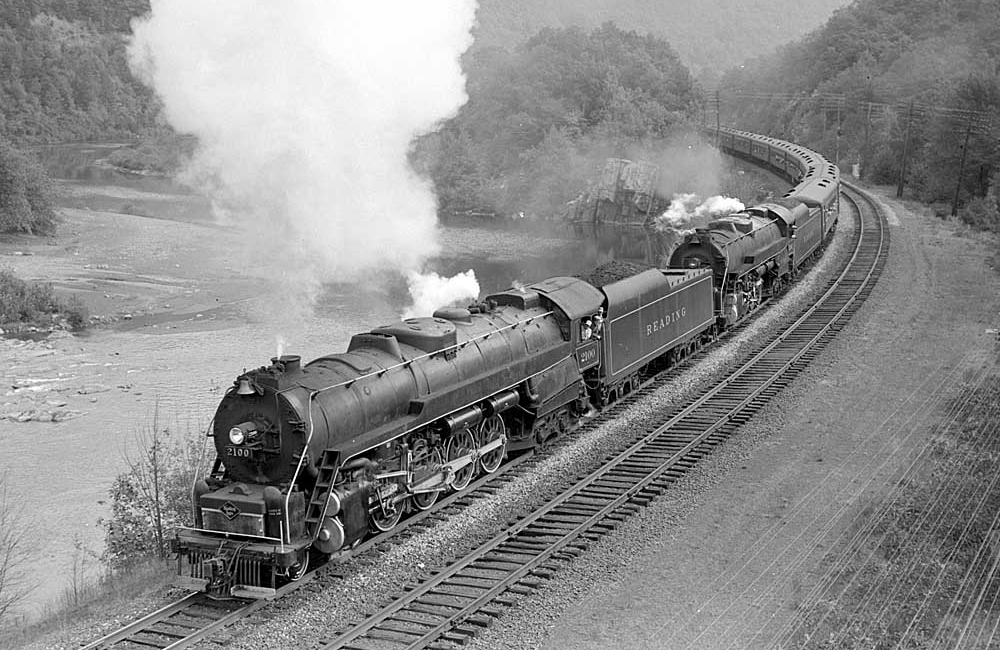
Has any class of homebuilt, remanufactured mainline steam locomotive ever performed as brilliantly as the Reading T-1 4-8-4? Given the long lives of four from its illustrious class of 30 engines, I’d say no. I came to this conclusion during a recent visit to the Baltimore & Ohio Railroad Museum, which has announced that ex-RDG […]

Read More…

Why I collect Gilbert American Flyer

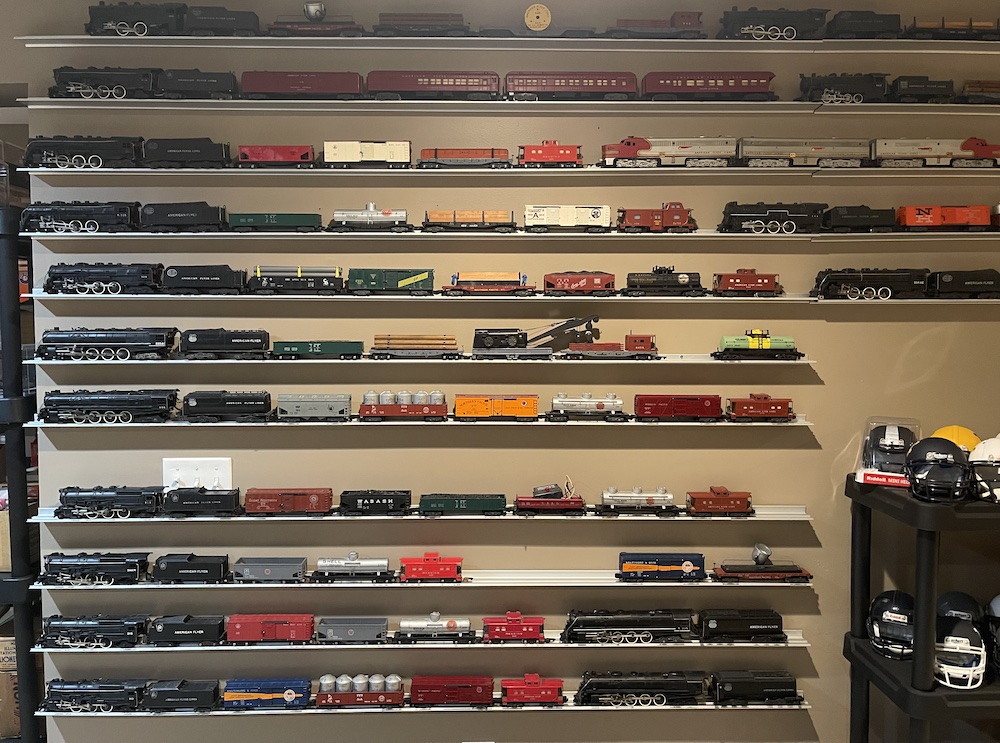
wall of toy trains on shelves

What do I collect? I collect S gauge Gilbert American Flyer, as it’s the scale and brand with which I entered the model railroading hobby. I have always enjoyed S gauge, as the size is nice and Gilbert American Flyer enjoys a great history and loyal, albeit somewhat small, following. When did I start collecting? […]

Read More…

3-D printed U-channel hopper cars

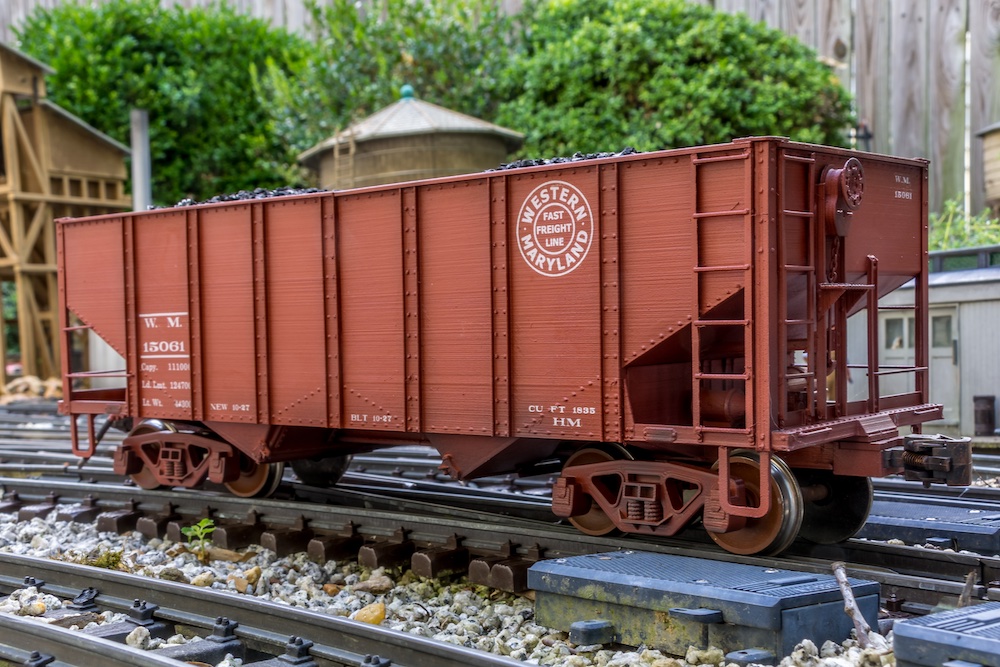
maroon model hopper car

I model the Western Maryland Ry. (WM) from the 1920s to before the start of World War II. Appropriate commercial models of coal hoppers for my modeling era are limited in large scale. I was using LGB two-bay and Bachmann three-bay hoppers as stand-ins, but I wanted accurate, period-specific coal hoppers for my rolling stock […]

Read More…

American Flyer postwar Baldwin switchers

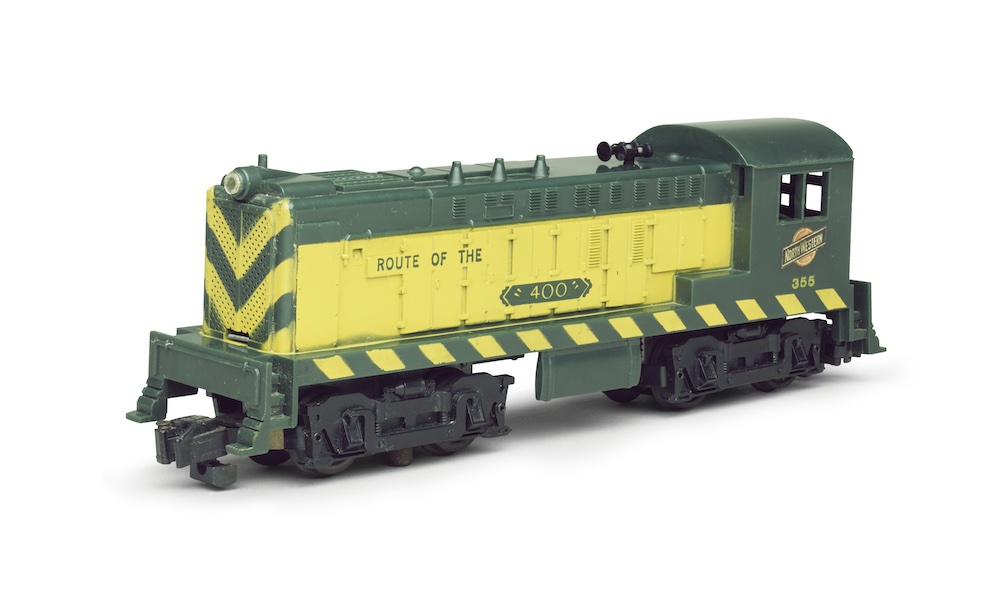
green and yellow model locomotive

Founded in 1830, the Philadelphia-based Baldwin Locomotive Works grew into the world’s largest steam locomotive builder. Baldwin locomotives ruled the rails of countries large and small in North and South America, Europe, and Asia.  Baldwin’s legendary boss, Samuel Valcain, was intrigued with the diesel by l920, and BLW produced its first demonstrator in l925. In […]

Read More…

Mike Eagleson was all about steam

Steam steam locomotives with passenger train on curve

The trend toward professional archival preservation of the work of major railroad photographers continues, lately with the news that the huge collection of negatives, slides, and films of the late Mike Eagleson has gone to the Industrial Archives & Library based in Bethlehem, Pa. This is a big “get” for the IAL, buttressing its mission […]

Read More…

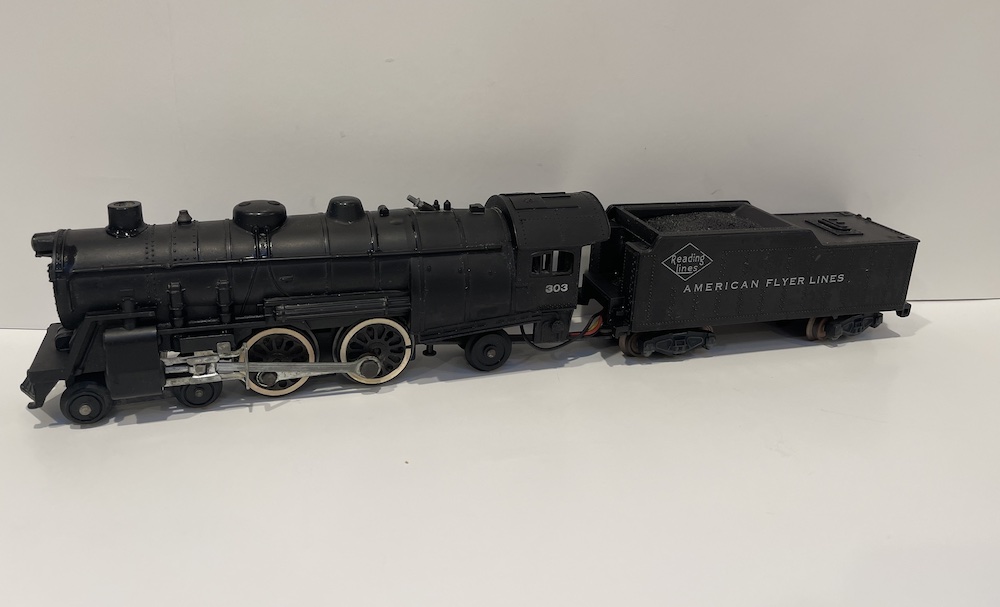
Locomotives we love: American Flyer No. 303 Reading Lines 4-4-2 Atlantic

black model steam locomotive

American Flyer’s No. 303 Reading Lines 4-4-2 Atlantic steam engine and tender helped to inspire a young boy growing up near Chicago back in the middle 1950s to first consider how he might make railroading the essence of his career. Kevin Keefe, who would grow up to serve as a distinguished editor for Trains Magazine […]

Read More…

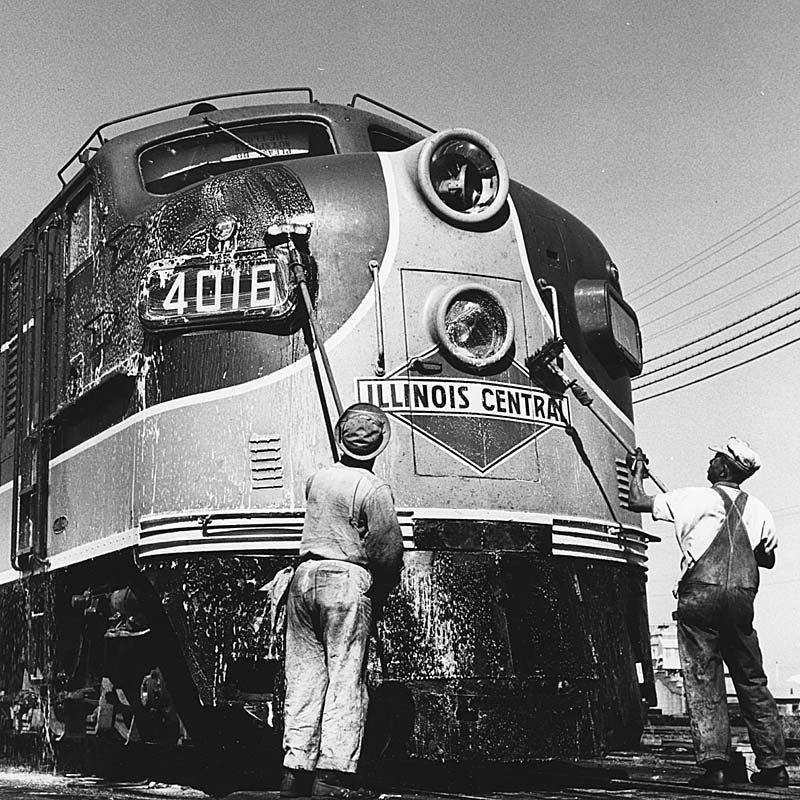
James La Vake photographed passenger trains at their peak

Men washing front of streamlined diesel locomotive

Of the many first-rate photographers who became fascinated by postwar railroading, one of the best was James La Vake. An airline pilot by profession, he also had some experience as a photographer, and it showed: his photos in Trains magazine in the late 1940s and early ’50s are among the best featuring diesel-powered streamliners. I’ve […]

Read More…

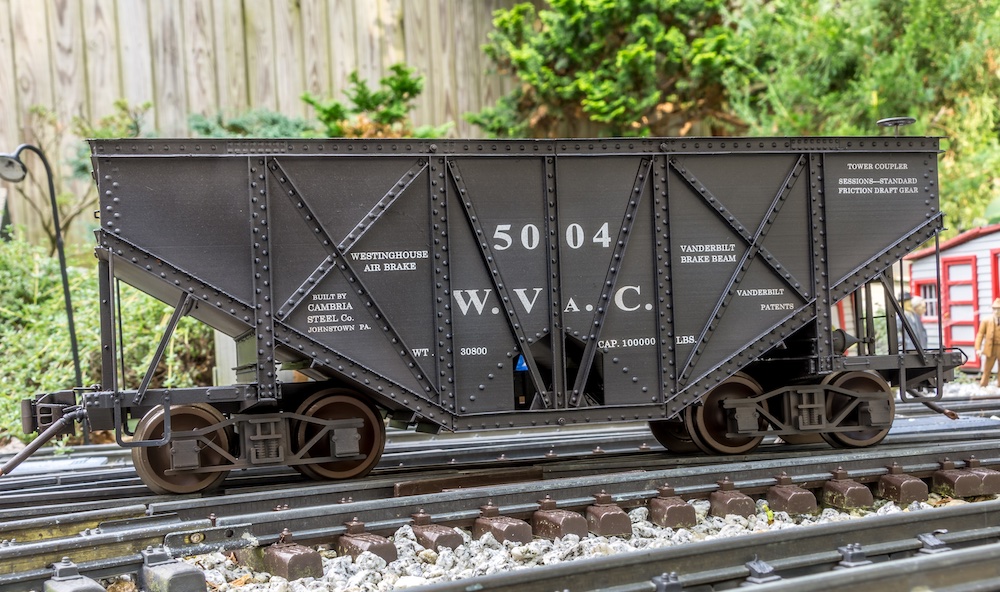
3-D printed Vanderbilt hopper car

black model hopper car

I model the Western Maryland Ry. (WM) from the 1920s to before the start of World War II. Appropriate commercial models of coal hoppers for my modeling era are limited in large scale. I was using LGB two-bay and Bachmann three-bay hoppers as stand-ins, but I wanted accurate, period-specific coal hoppers for my rolling stock […]

Read More…

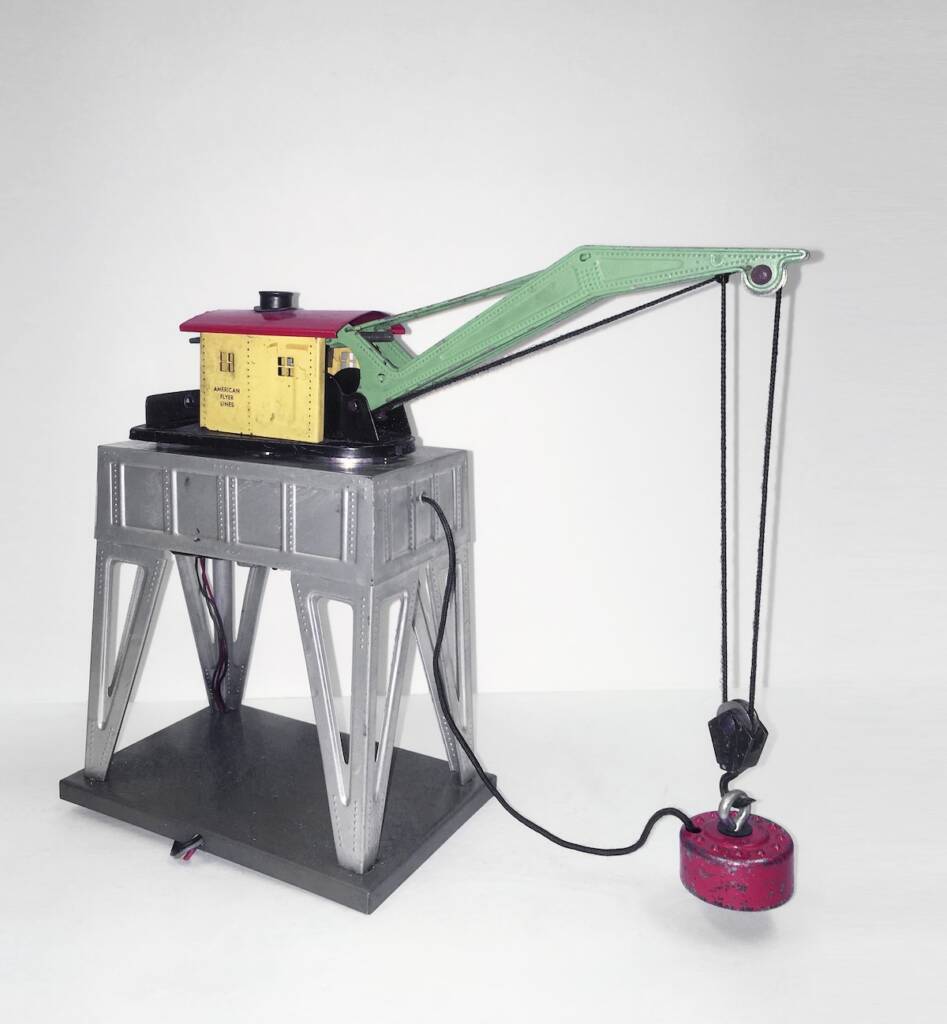
New insights on the Flyer No. 583 electromagnetic crane

vintage toy crane

A quiet revolution changed the toy train industry in the 1930s. Firms aimed to introduce more realistic products. Advances in the die-casting of metals and the compression-molding of plastics shaped that trend. The A.C. Gilbert Co. began to develop scale and semi-scale engines and rolling stock while pushing for greater animation in its accessories. The […]

Read More…

An American railway in France

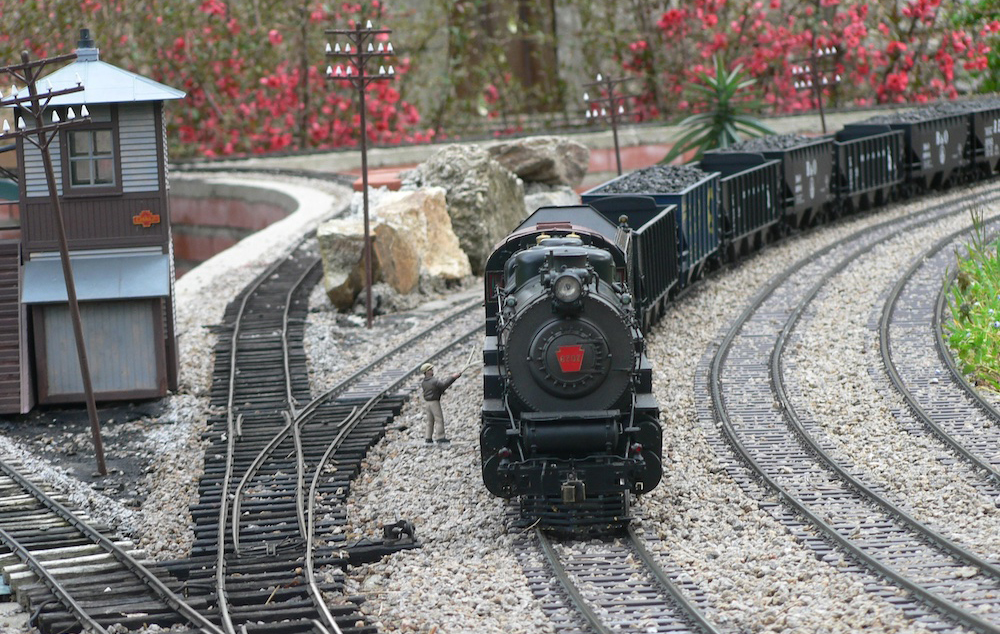
A scale train on an outdoor train layout with a trackside figure and structure

I dabbled a great deal in narrow gauge modeling over the years, but found U.S. main line Class I railroads more to my taste. I like the operation potential of main lines, with many categories of trains from the peddler to the fast freight, the suburban local to the limiteds. A friend (Chris Ludlow, an […]

Read More…