




Burlington Route’s Chicago–Minneapolis Morning Zephyr forges west at Downers Grove, Ill., on a snowy January 13, 1948. The six-car train carries four dome cars, including a dome-observation. CB&Q photo […]
Morning Zephyr in the snow
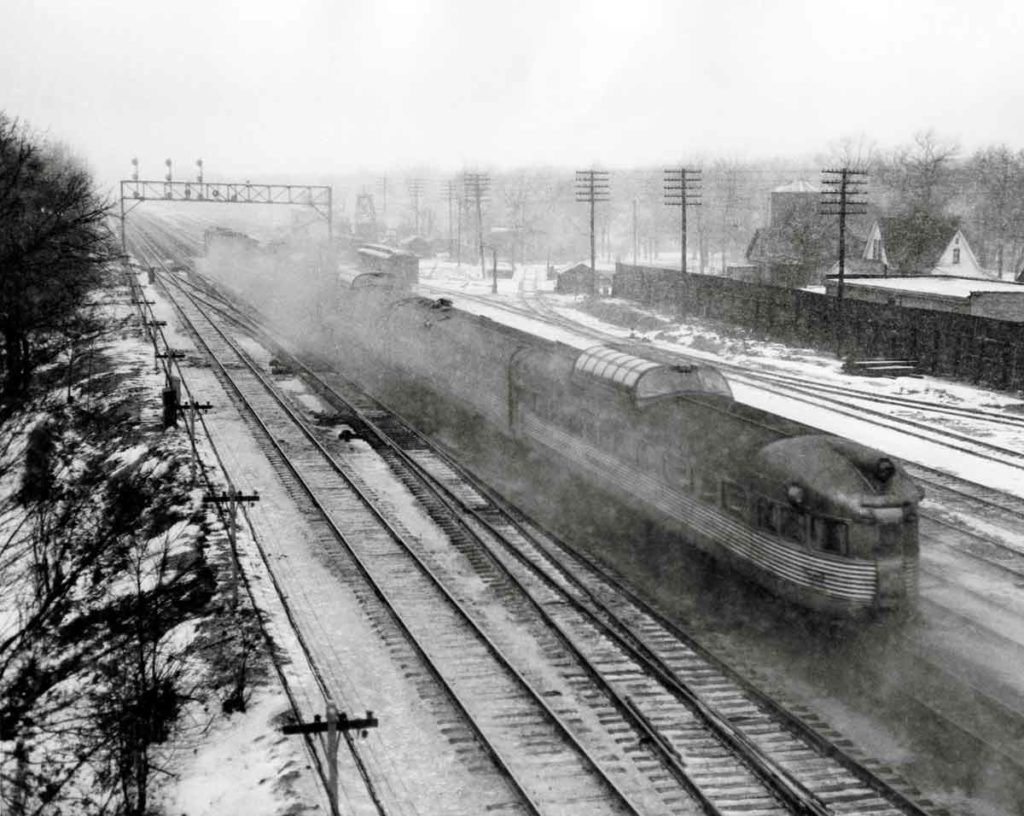
Burlington Route’s Chicago–Minneapolis Morning Zephyr forges west at Downers Grove, Ill., on a snowy January 13, 1948. The six-car train carries four dome cars, including a dome-observation. CB&Q photo […]
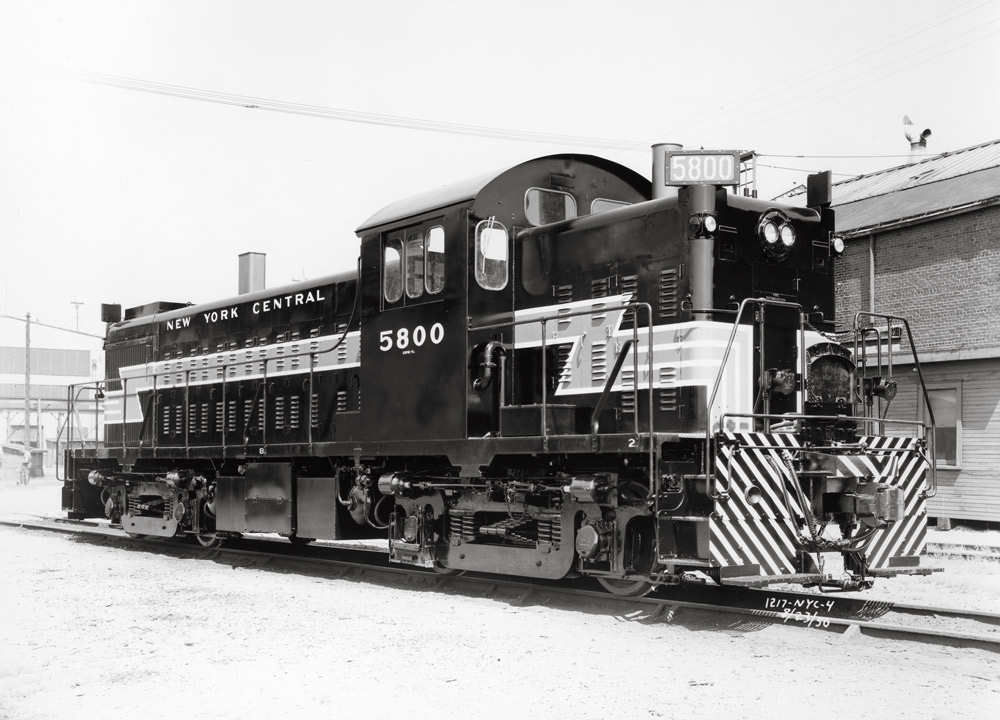
The New York Central diesel roster showed diversity in an era known for experimentation. Major railroads with deep financial pockets have the freedom to spend money for equipment like the proverbial kid in the candy store. Among them, you’d have to include the mighty New York Central. Nicknamed the “The Water Level Route,” […]
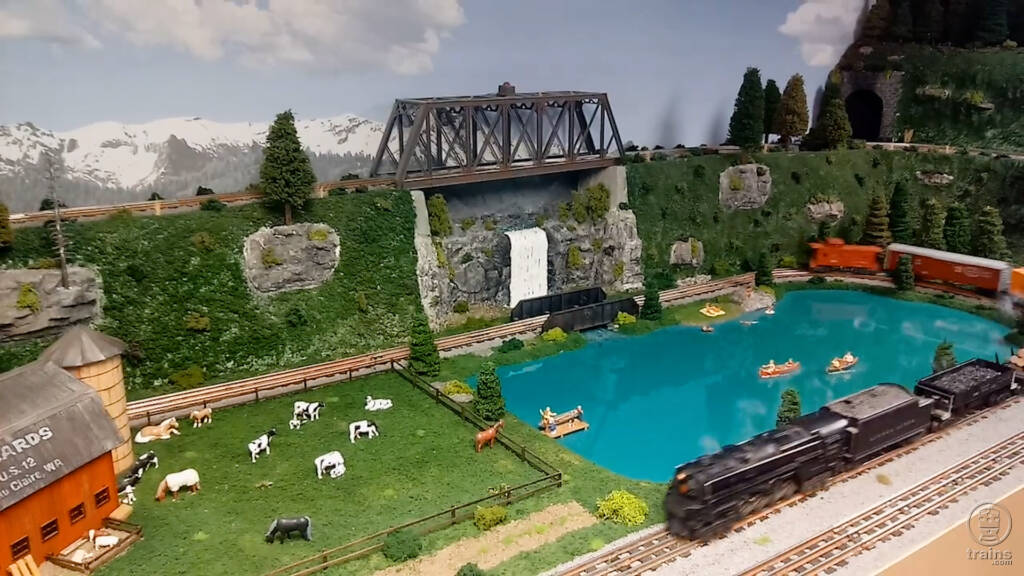
Name: Art Volz’s O-27 gauge layout Dimensions: 10 x 20 feet Track and switches: Lionel (diameters range from 27 to 31 inches) Motive power: Lionel (postwar, modern) Rolling stock: Lionel (postwar, modern), Menards Controls: Lionel Nos.1033, 1034, type-ZW transformers Accessories: Lionel, MTH Structures: Atlas O, Lionel, Menards, MTH, scratchbuilt, Woodland Scenics See more in the […]
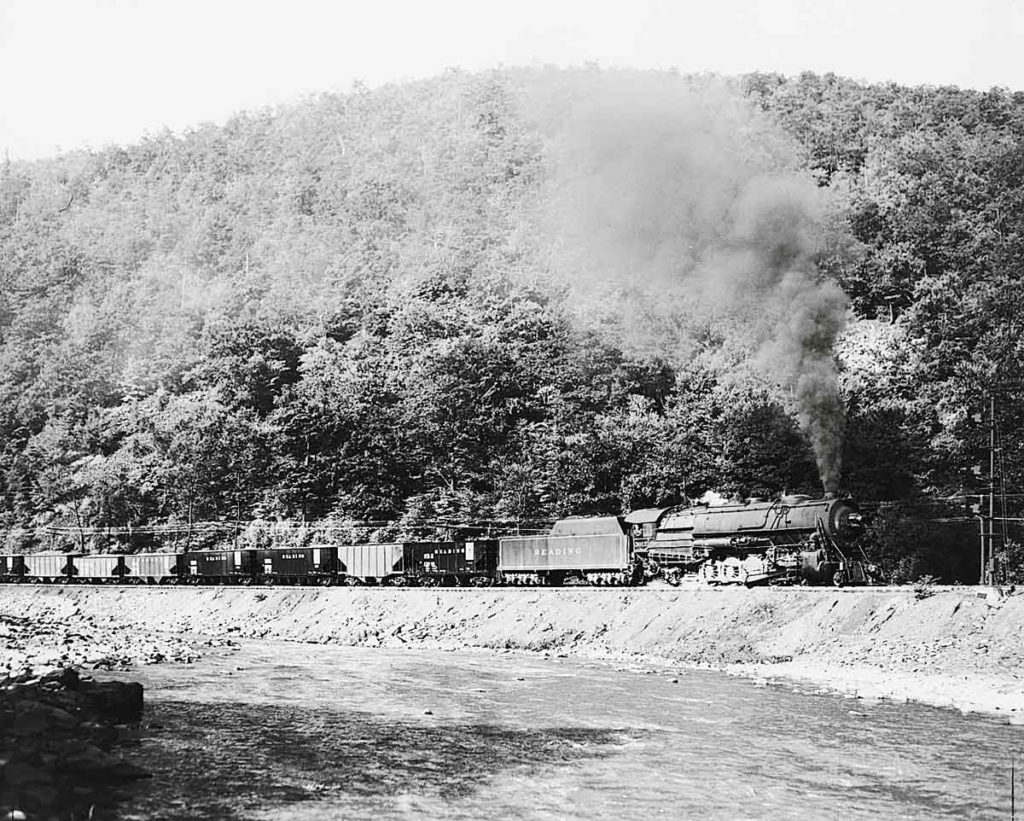
The Reading’s 20 class K-1sb locomotives, constructed by Baldwin in 1931 and tipping the scales at a whopping 451,000 pounds, were the last-built and heaviest 2-10-2s in North America. Here, No. 3012 leads a train of anthracite down the Schuylkill River near Tamaqua, Pa., in July 1953. Classic Trains coll. […]
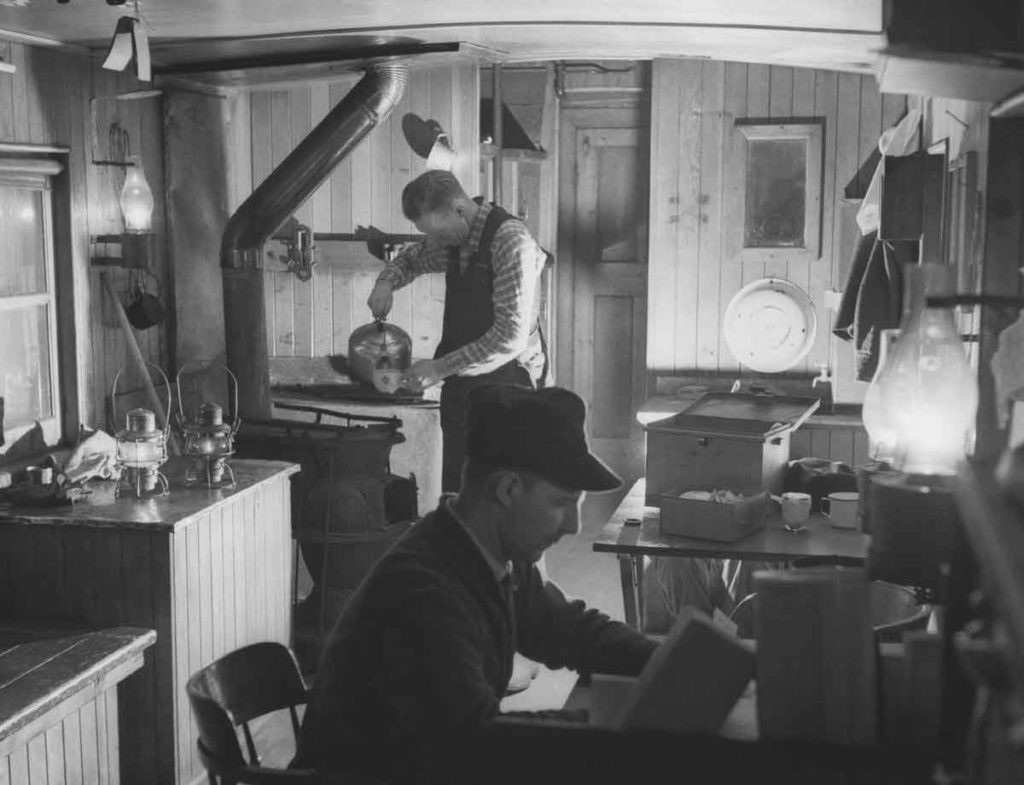
Safe from the frigid weather outside, the conductor of a Canadian National freight train examines his wheel reports as his brakeman takes a break for tea inside their caboose in New Brunswick in 1955. Philip R. Hastings photo […]
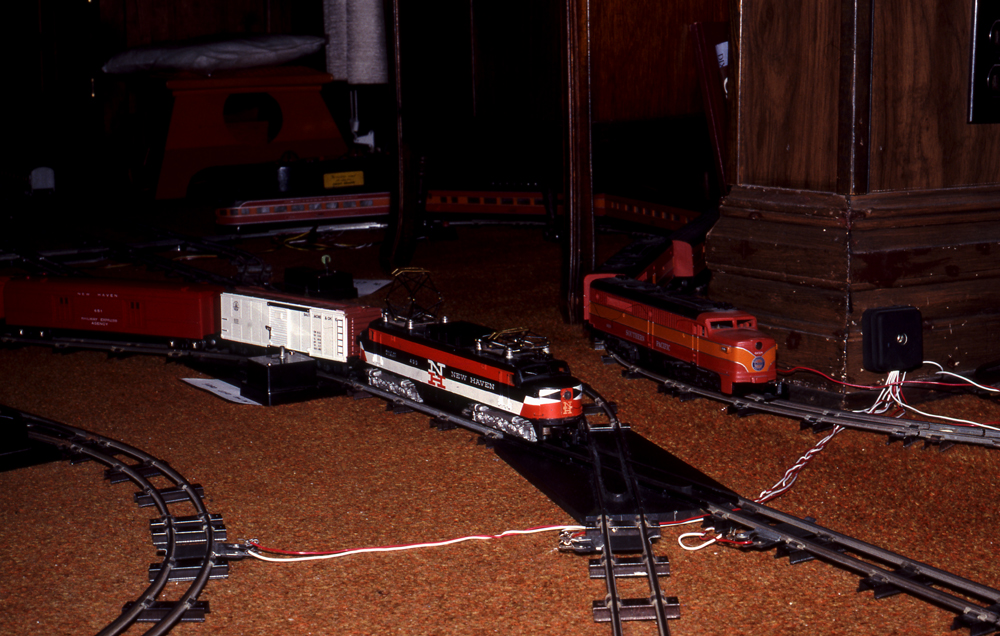
Editor’s note: This manuscript was purchased in December 1990 for Model Railroader magazine. Over the years, it made its way around the office and finally landed in my hands last fall. Dave Ingles was a friend of mine, and with his passing and my becoming editor of CTT, it seemed fitting to finally share his […]
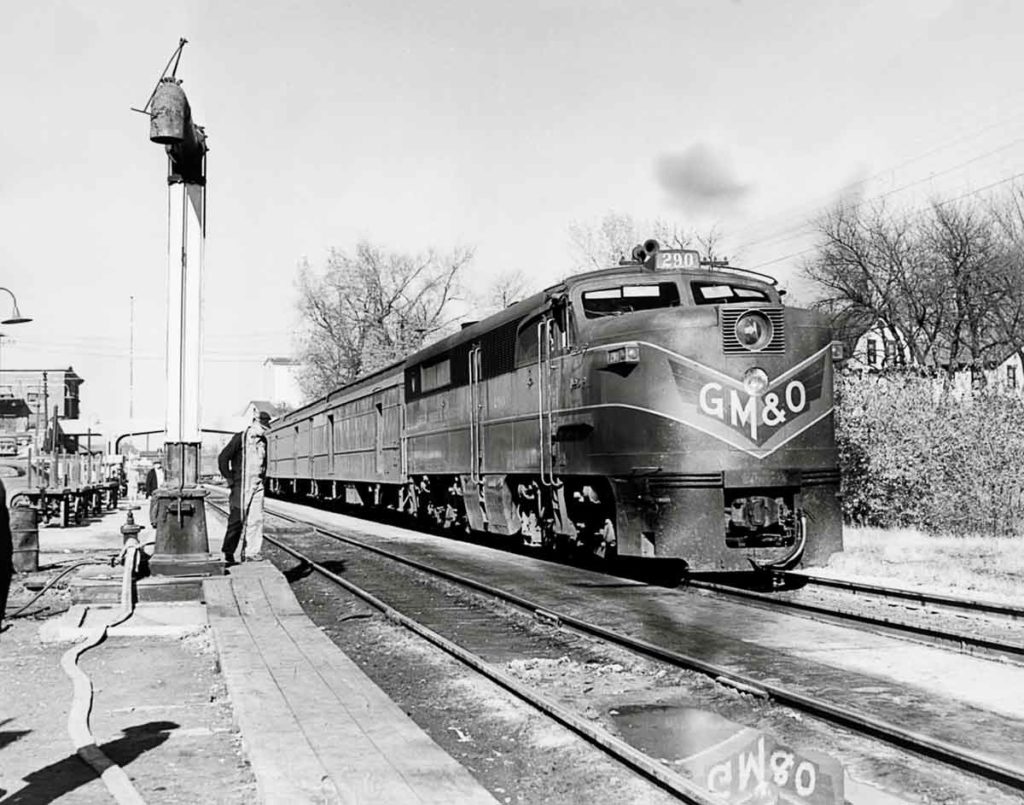
A single Alco PA diesel waits at Bloomington, Ill., with a Gulf, Mobile & Ohio local passenger train for St. Louis in 1950. Richard K. Smith photo […]
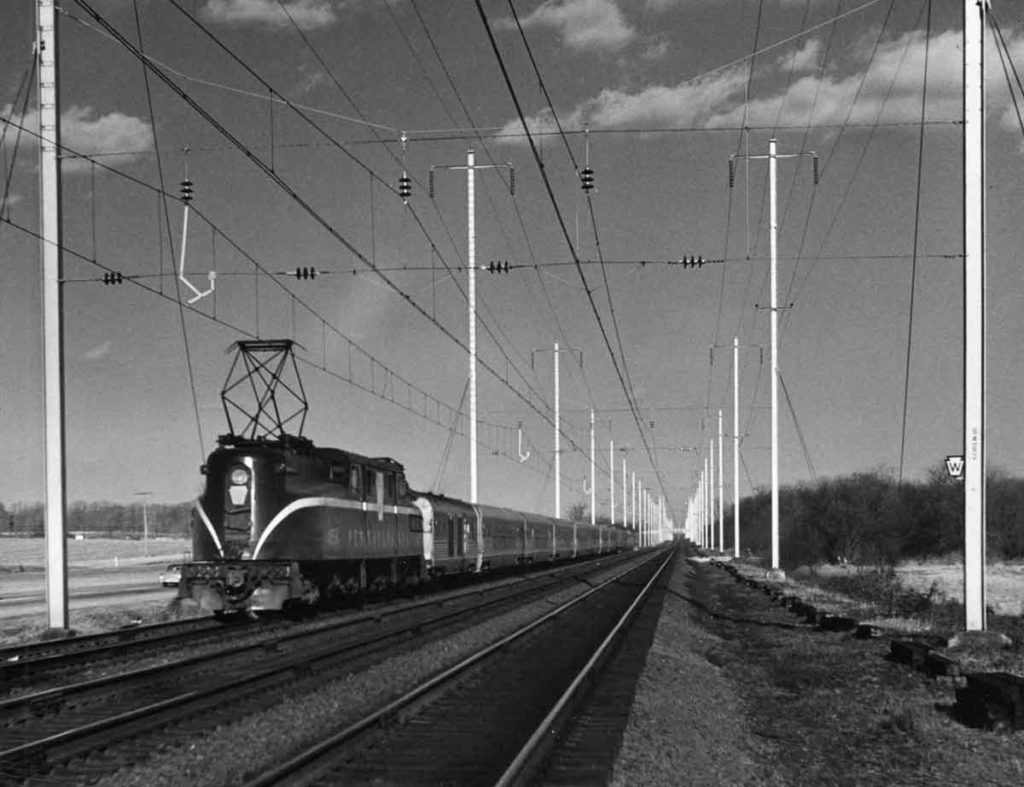
North of Aberdeen, Md., in about 1957, a Pennsylvania Railroad GG1 speeds toward Washington with the new Budd-built Keystone consist. GG1s normally operated with the rear pantograph raised, so this view is rather unusual. James P. Gallagher photo […]
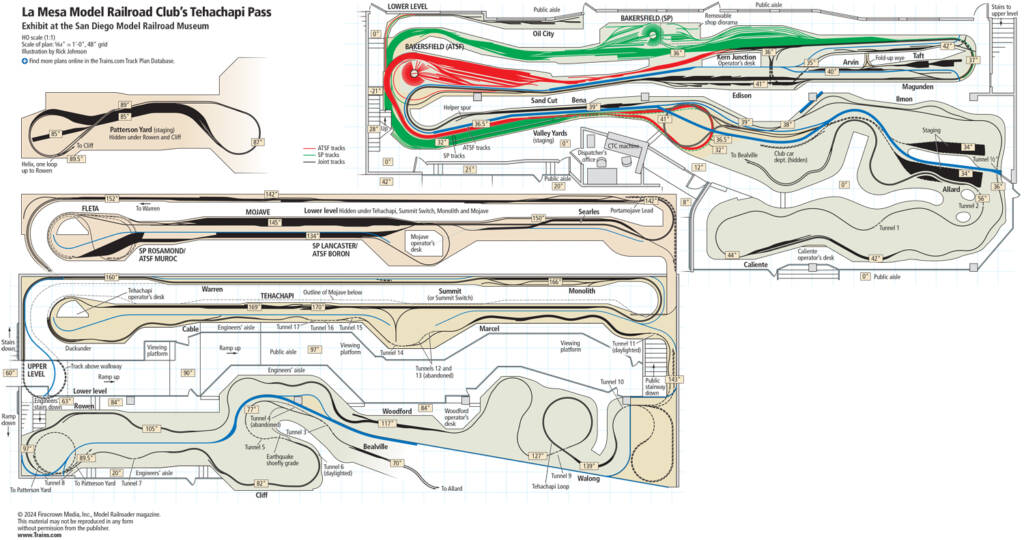
Facts and features Name: Southern Pacific Tehachapi SubdivisionScale: HOSize: 72 x 128 feetPrototype: Southern Pacific Tehachapi SubdivisionLocale: Bakersfield to Mojave, CaliforniaEra: 1950s-1960sStyle: Multi-level walkaroundMainline run: Bakersfield to Mojave: 1,500 feet; between staging yards, Goshen Jct. to Lancaster: 1,800 feetMinimum radius: main tracks, sidings and yards: 48″; branch lines and industry tracks: 36″Minimum turnout: main tracks, […]
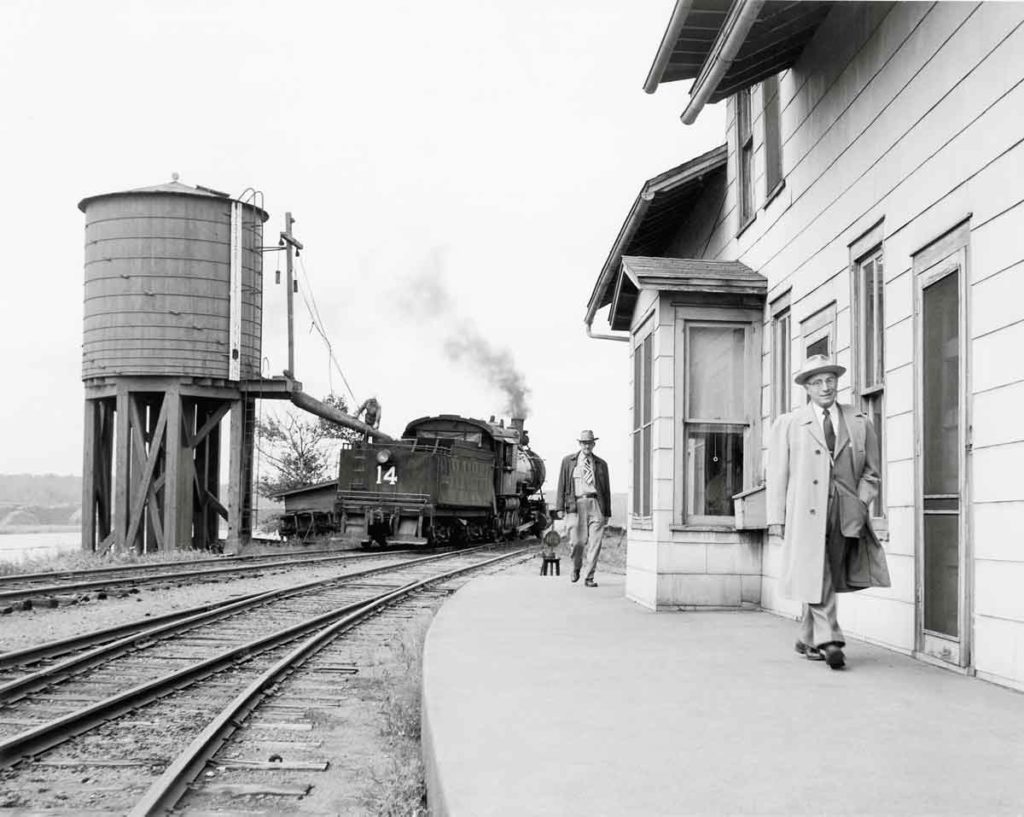
Duluth & Northeastern Vice President and General Manager E. A. Blinn walks down the platform of the short line’s station and general offices at Cloquet, Minn., followed by Superintendent E. A. Kruger. In the background of this September 1954 scene, 2-8-0 No. 14 takes water. Philip R. Hastings photo […]
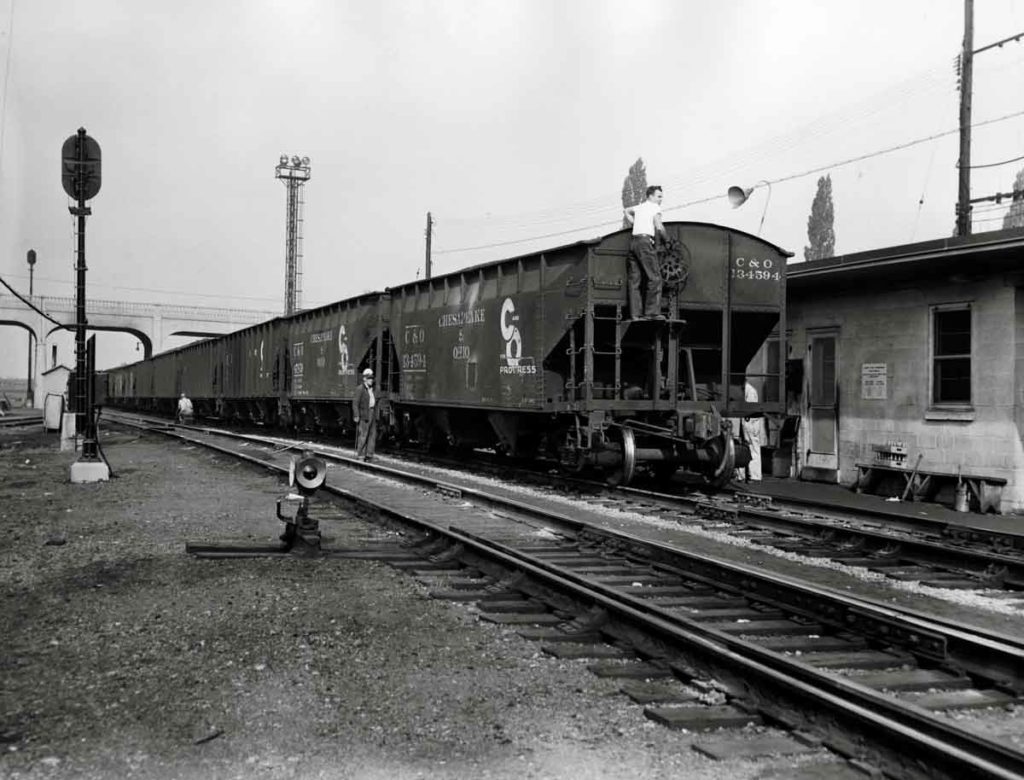
A string of coal hoppers crests the hump at Chesapeake & Ohio’s yard in Clifton Forge, Va., in June 1955. The cars are bound for C&O’s Atlantic Ocean docks at Newport News. W. A. Akin Jr. photo […]
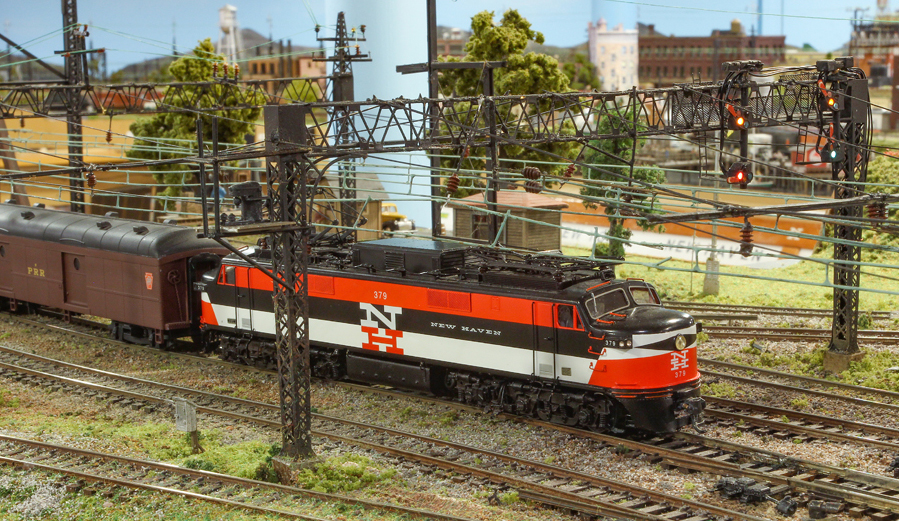
When you think about electrified rail lines today, the first thing that probably comes to mind is Amtrak’s Northeast Corridor. But in the first half of the 1900s, before the start of the diesel era, railroads used electrified lines to move freight and passengers. Examples in the east included the New York, New Haven & […]
