NEW YORK — New York City’s congestion pricing program has reduced vehicular traffic in lower Manhattan by 11% and increased transit ridership by 7%, officials said on Monday as they marked the first anniversary of the tolling program that helps fund Metropolitan Transportation Authority capital projects.
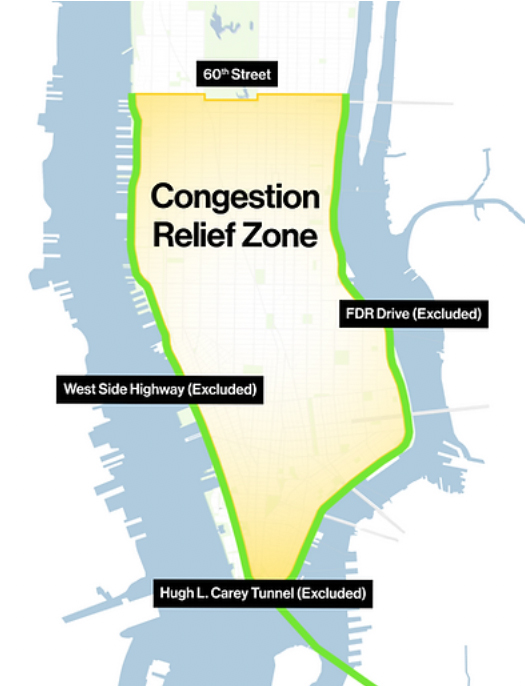
The congestion tolling, which began on Jan. 5, 2025, charges most drivers up to $9 to drive in the portion of Manhattan south of 60th Street, with exclusions for some major routes on the perimeter. It is credited with improving rush-hour crossing times by as much as 51% and overall traffic speeds in the toll zone by 4% on weekdays and 6.2% on weekends, according to an MTA report. The program, projected to generate $500 million annually in toll revenue, had collected $518 million in tolls as of November and was projected to exceed $550 million in net revenue by the end of the year.
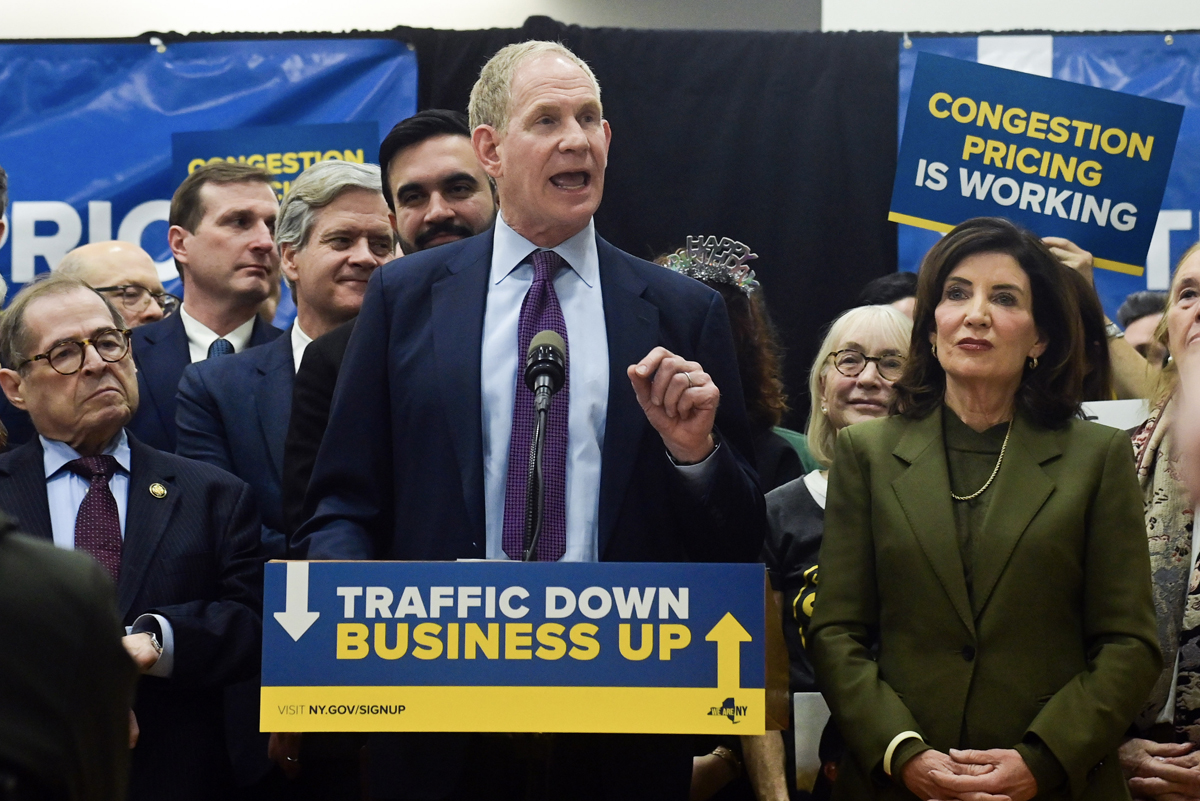
“By every measure,” New York Gov. Kathy Hochul said in a press release, “this program has met or exceeded expectations: traffic and gridlock are down substantially, people are moving faster, air quality is improved, streets are safer, and our economy is stronger. … And there are even more benefits to come: $15 billion in transit upgrades with major projects already underway, improving the commutes of millions of New Yorkers.”
Said MTA CEO Janno Lieber, “The congestion pricing experience demonstrates what the new MTA can accomplish working with our State and City partners. The result here is flawless execution and unprecedented benefits for all New Yorkers.”
The city’s new mayor, Zohran Mamdani, said the program’s “benefits are clearer than ever. Traffic crashes and noise complaints are dropping, while funding for the MTA and air quality are rising.”
The program still faces some uncertainty. The Trump administration moved to rescind federal permission for the program, which had been authorized under the Biden administration, following through on a campaign promise by President Donald Trump to kill the tolling plan [see “New York MTA sues …,” Trains.com, Feb. 19, 2025]. But a federal judge blocked efforts to end the program, as well as a Department of Transportation effort to withhold funding because of the program [see “Federal judge issues temporary restraining order …,” May 27, 2025]. The same judge later extended that ruling to protect the program until the court case is decided; the next hearing is set for Jan. 28.
In the meantime, however, the MTA report says congestion tolling has led to impacts as varied as decreases in pedestrian and cyclist fatalities; faster trips by bus; and increased foot traffic in the tolling zone. Concerns that the program would harm businesses, meanwhile, have been countered by increases in office leasing, a decrease in the number of vacant storefronts in the congestion zone, and an increase sales tax receipts, according to state and local figures. “Despite the early hand-wringing,” said New York City Comptroller Mark Levine, “congestion pricing has stimulated economic activity across our restaurants, storefronts, and cultural hubs, all while generating millions for the MTA.”
Transit impacts, according to the MTA, include a 9% increase in subway trips into the tolling zone in the first nine months of 2025, compared to the same period a year earlier. Overall, the subway system saw an 8.9% increase in ridership while the Long Island Rail Road and Metro-North Railroad saw increases of 9.9% and 7.3%, respectively.
The New York Times offers a graphic look at various impacts in this article.
— To report news or errors, contact trainsnewswire@firecrown.com.
Share this article