WASHINGTON — The election of Donald Trump could significantly reduce future financial support for Amtrak, transit, and high speed rail projects, although expected cuts could be tempered if Democrats are able to capture enough still-undecided House of Representatives races to gain a majority in that chamber.
That’s the consensus of sources Trains News Wire contacted Wednesday, though some declined to express their views publicly.
Near the end of his first term in February 2020, President Trump sought deep cuts in discretionary transportation funding, This was nothing new for a Republican President. A series of chief executives did the same thing, beginning with Ronald Reagan’s attempt in 1981 to “zero out” Amtrak operating support. Those efforts were rebuffed by a Congress, including Republicans, whose leadership sought to maintain a power equilibrium with the executive branch. Observers wonder whether a similar pushback currently exists in their relationship with Trump.
Amtrak management has also generally relied on a champion to help orchestrate its legislative agenda and defend the carrier from budget cuts. Most recently, that role has been played by Senate Majority Leader Chuck Schumer (D-N.Y.). Schumer has had strong ties with fellow New Yorker and Amtrak Board Chairman Anthony Coscia, who also maintained a relationship with Jared Kushner during the first Trump Administration. Previously, U.S. Sens. Kay Bailey Hutchison (R-Tex.), Trent Lott (R-Miss), and Frank Lautenberg (D-N.J.) fought for Amtrak funding.
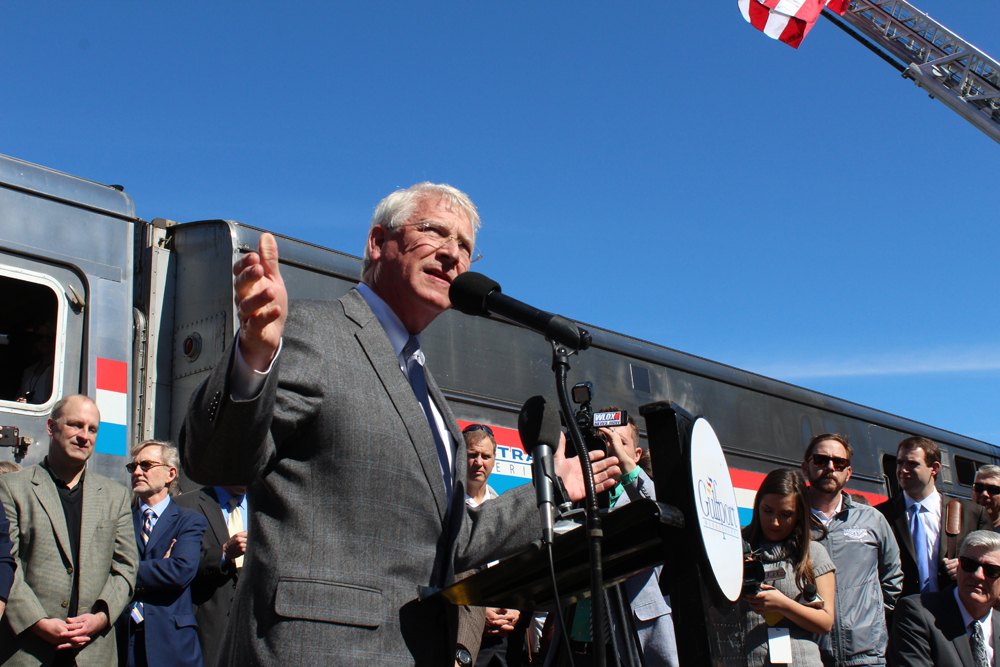
It is possible Sen. Roger Wicker (R-Miss.), who championed legislation that has paved the way for Amtrak’s planned New Orleans-Mobile service, may step into that role. Another conduit between Amtrak and the President-elect could be recently-confirmed Amtrak Board of Directors member Joel Szabat, who served as acting Department of Transportation undersecretary during the first Trump Administration.
In any case, scrutiny of Amtrak management is sure to continue if re-elected U.S. Sen. Ted Cruz (R-Tex.) is elevated to Commerce Committee Chairman from Ranking Member. His concerns about bonus compensation were among those expressed at a confirmation hearing of the latest round of potential board members [see “Nominees to Amtrak board support national network …,” News Wire, Sept. 12, 2024].
Joe McHugh, who headed government affairs and state-supported services in a career at Amtrak spanning more than 20 years that began in 1994, thinks those nominees will likely be confirmed in the upcoming “lame duck” session before Thanksgiving.
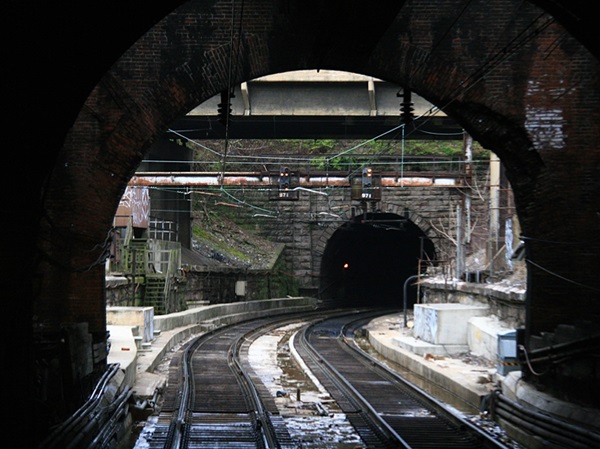
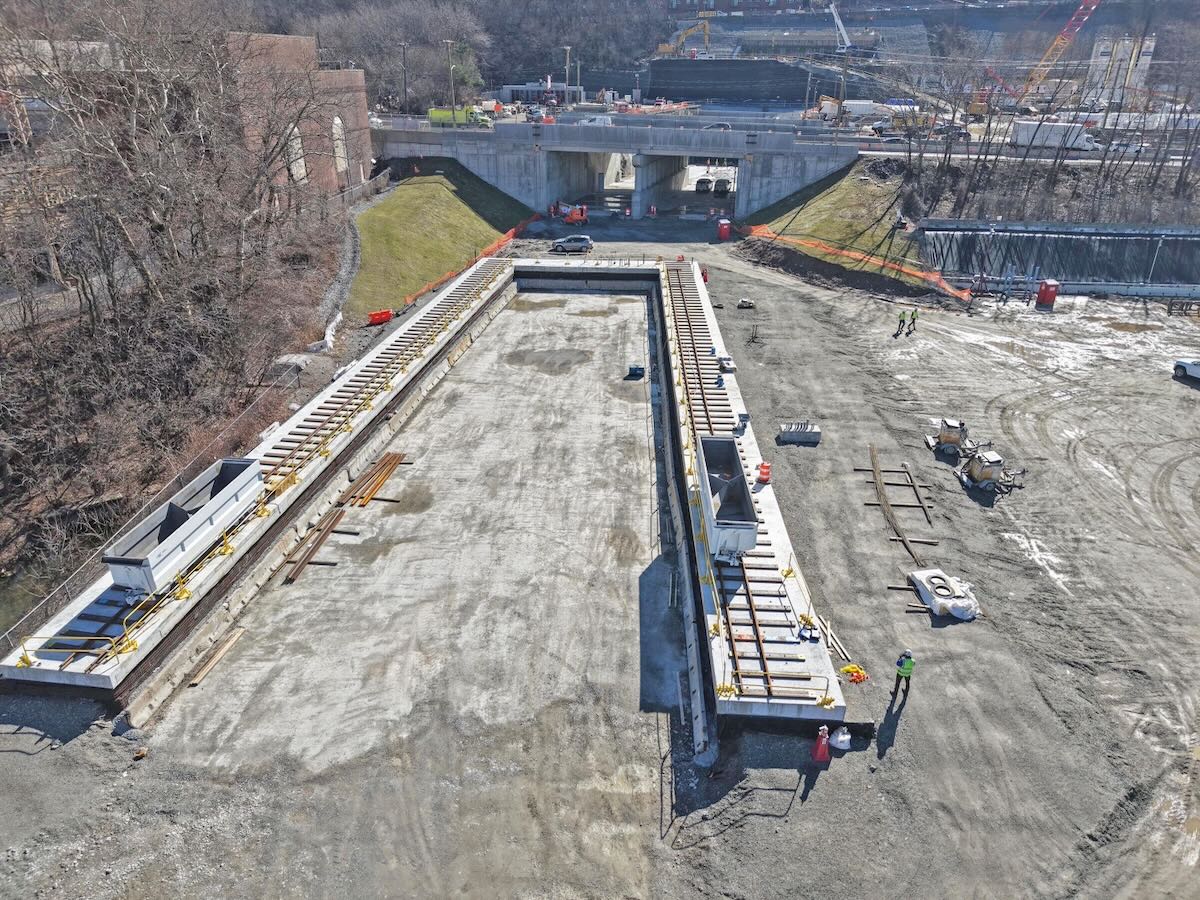
He tells News Wire, “If I were there now I would be very worried about money that could be taken off the table; all plans are at risk.” This includes advance appropriations as part of President Biden’s Infrastructure Investment and Jobs Act. McHugh believes major projects already underway, such as replacing a pair of 1873-vintage Baltimore tunnels and Gulf Coast improvements, won’t be affected.
He is also concerned that the change in administrations will put a strain on decision making. “Having gone through these transitions, things will likely come to a halt at Amtrak and the Federal Railroad Administration for four to six months,” McHugh says.
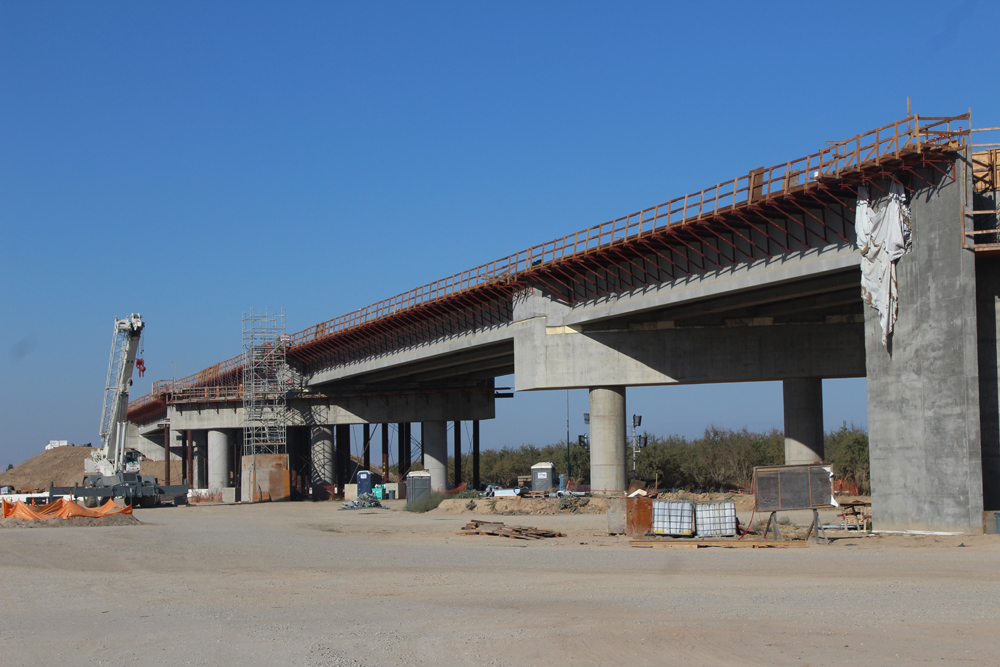
Others say the Trump Administration may attempt to claw back specific high-profile transportation investments as part of a “cut spending to cut taxes” campaign pledge. Particularly at risk could be continued federal investment in the California High Speed Rail Authority, championed by both the Obama and Biden administrations. The project has created thousands of jobs and pumped millions into the local economy, but for the last decade has fostered ideological opposition.
Members of the current Republican-controlled House have been especially critical of spending on high speed rail. And a faction of lawmakers representing mostly rural districts, many served by Amtrak’s long-distance trains, have repeatedly pointed to the company’s lack of profitability as a reason its annual operating appropriations should be cut. Of course, billions of highway dollars are routinely allocated by formulas based on miles of roads and vehicle miles traveled in each state. Support to keep that status quo spigot of money flowing comes, in part, from road builders’ political campaign contributions.
But control of the U.S. House of Representatives will depend on the outcome of as yet undecided elections. The news site The Hill reports many of these close races may not be resolved for weeks, following expected recounts. Contests in rural Maine, eastern Washington, western Oregon, and southern New York State are among those that will determine whether Democrats will control the House, where all spending legislation originates. Significantly, several races in California’s Central Valley may swing the balance.
Trains News Wire will continue to monitor passenger rail developments in the weeks ahead.