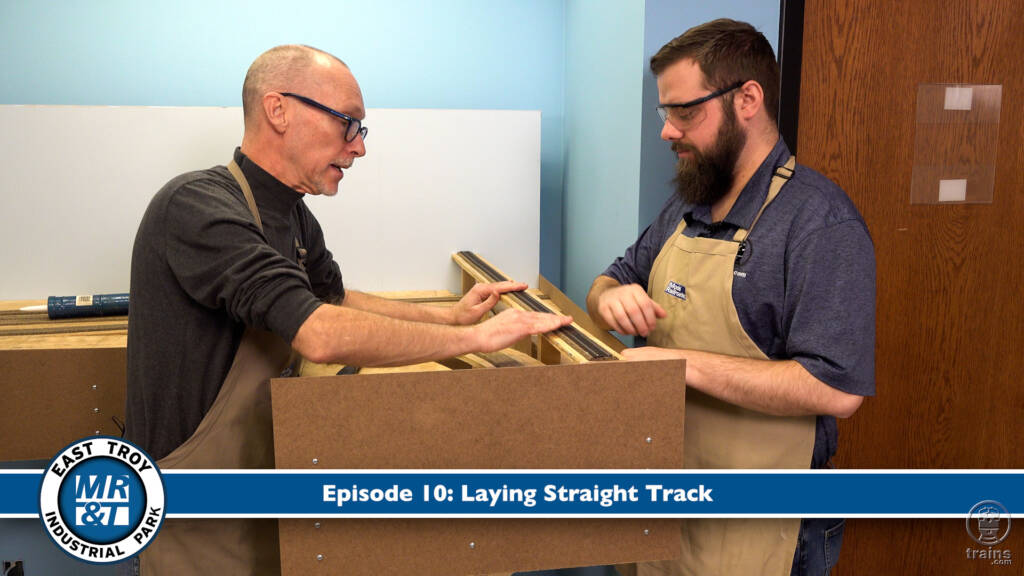
The HO scale (1:87.1) East Troy Industrial Park project layout wouldn’t be a model railroad without the trackwork! In this episode, hosts David Popp and Bryson Sleppy work to install sections of flexible straight track, before demonstrating how to add standard turnouts (track switches) along the line. Be sure to keep up with the construction […]
Read More…
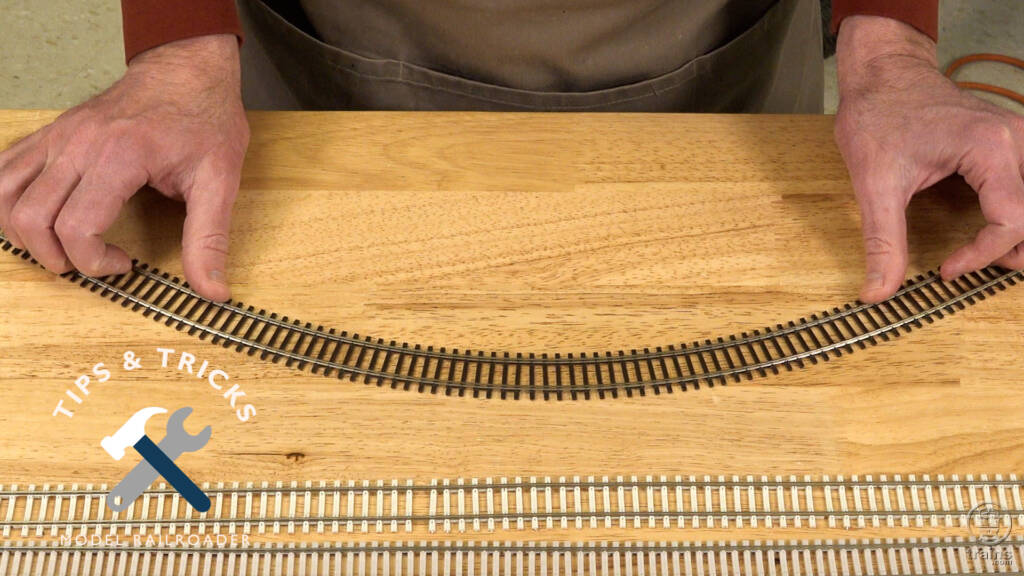
Track selection and tracklaying insights | Join David, as he first surveys a wide array of flexible trackwork offerings, and then shares helpful tips and tricks for properly preparing and installing sections of flex track on your next model railroad! Be sure to find other helpful videos like this in the How-to category on Trains.com […]
Read More…
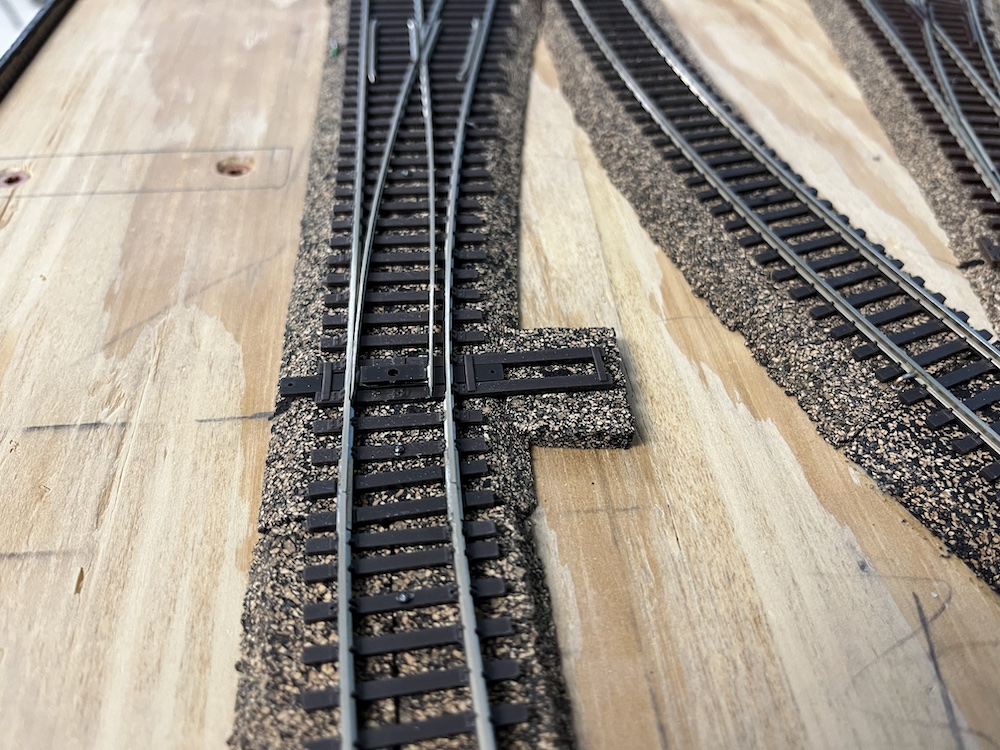
Learning how to install roadbed at a turnout, a place where tracks meet or diverge, is a valuable skill for all model railroaders to have. Installing strips of cork or foam roadbed for straight or curved tracks is a straightforward process. Mark the center line, split the roadbed sections into flexible strips, and glue them […]
Read More…
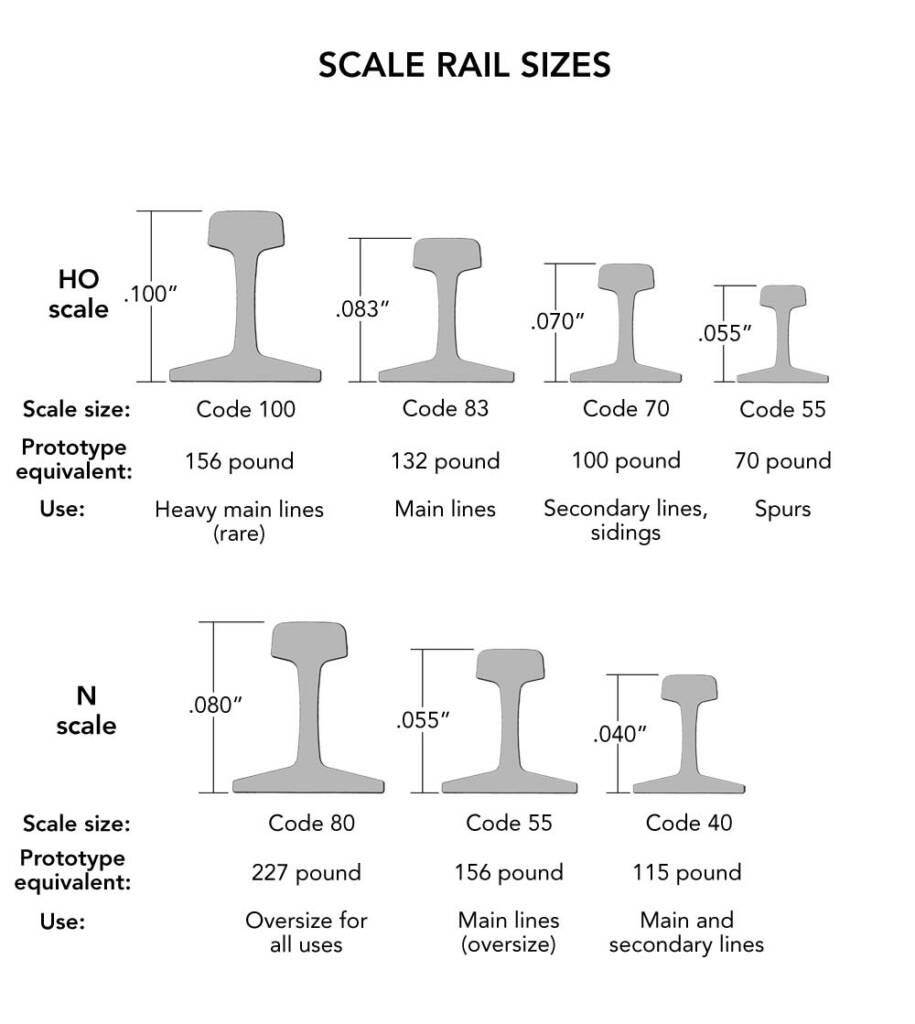
Track selection is among the first decisions you’ll have to make when you get started in model railroading, second only to scale. In HO (1:87.1), the two most commonly used track sizes are code 100 and code 83. “Code” refers to the height of the rail, measured in thousandths of an inch. For a lot […]
Read More…
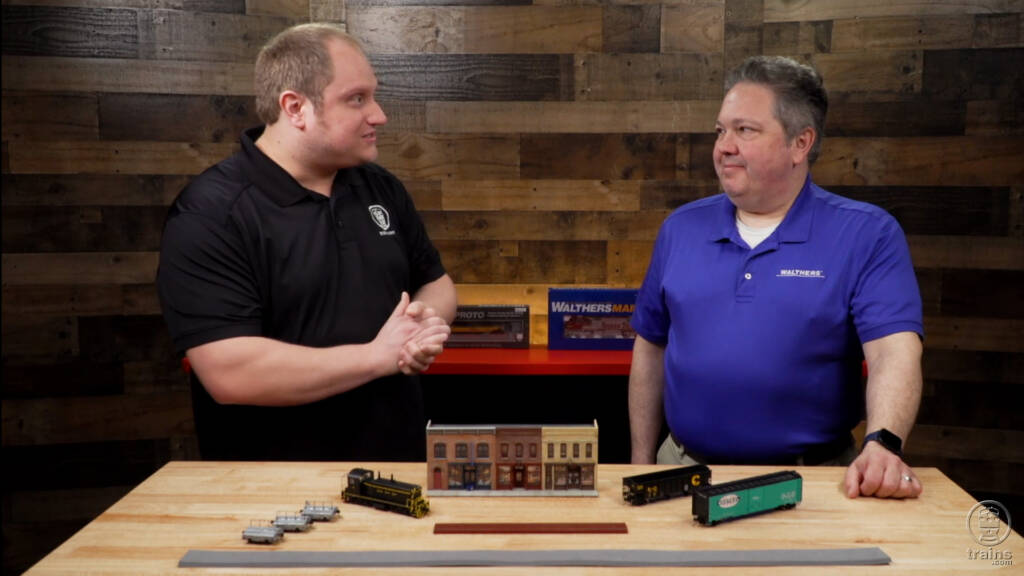
Trains.com Insider Interview | Wm. K. Walthers, Inc., Brand Manager Dana Kawala chats with Trains.com staff writer Lucas Iverson. More than simply talking trains, Dana reveals several new items that the well-established manufacturer/distributor currently has available for purchase or has queued for production. Gather insights on product design and practical use, as Dana and Lucas […]
Read More…
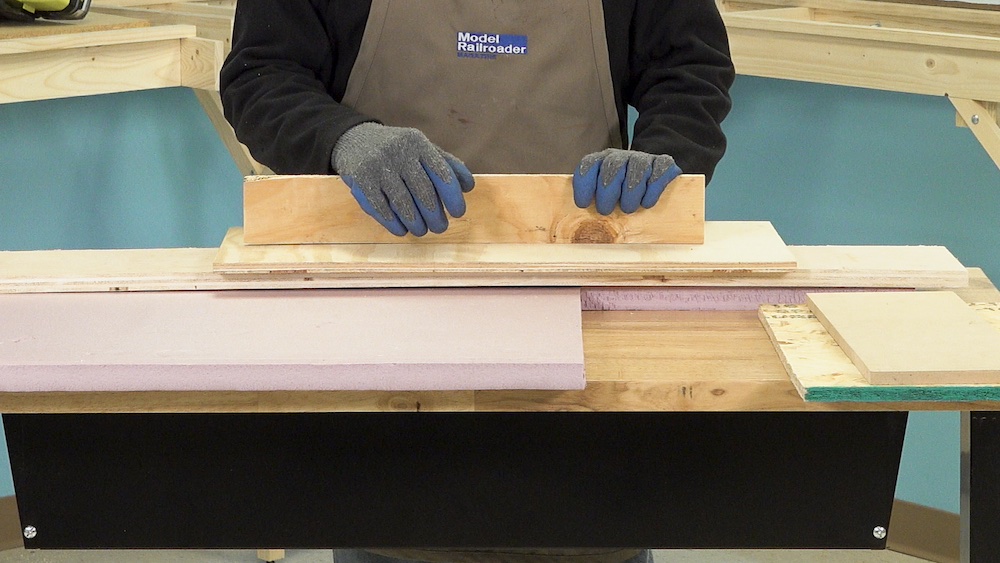
“Which type of subroadbed is right for me?” It’s a question that is especially asked by beginners. The subroadbed is the material that you place under your roadbed, track, and often scenery. It serves as the foundation for your model railroad, so choosing the correct material is very important. Before evaluating good subroadbed options, let’s […]
Read More…
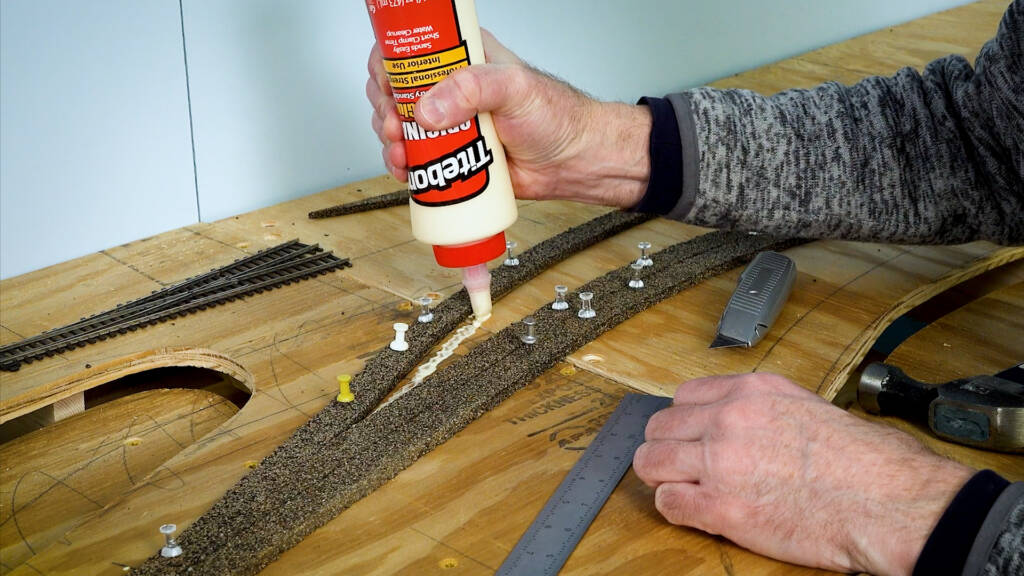
Installing roadbed at turnouts | Watch and learn how to lay cork roadbed material under track switches of any scale or gauge. Follow along with David’s helpful tips and tricks, and you’ll be well under way to providing a smooth and level base for under the most critical locations of your model railroad trackwork! Be […]
Read More…
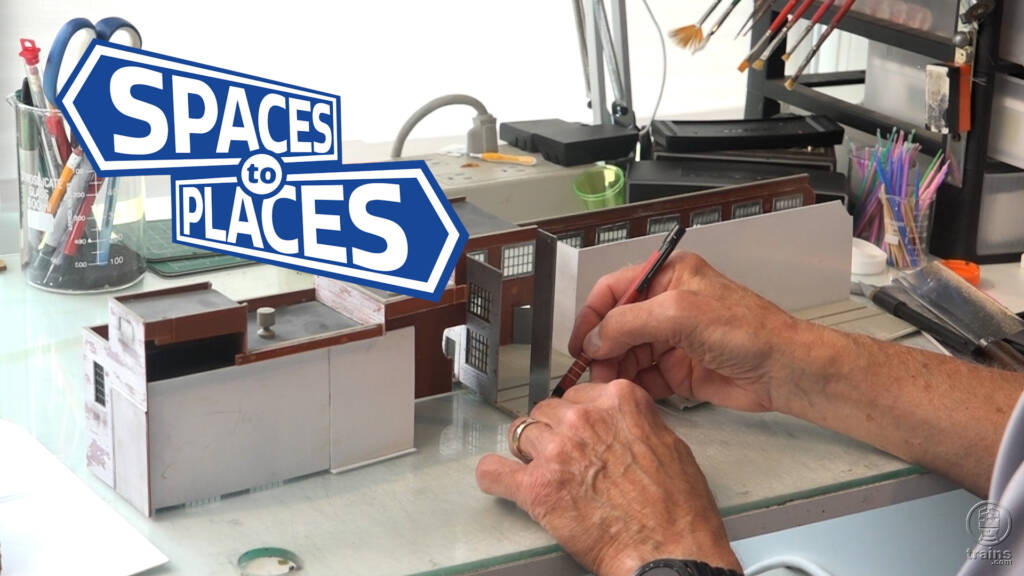
Follow host Gerry Leone as he digs into the plans and efforts to rework a structure he initially kitbashed for a previous iteration of his HO scale (1:87.1) Bona Vista model railroad. But first, he ventures back to the old familiar set of his “Off The Rails” series, all with the objective of answering a […]
Read More…
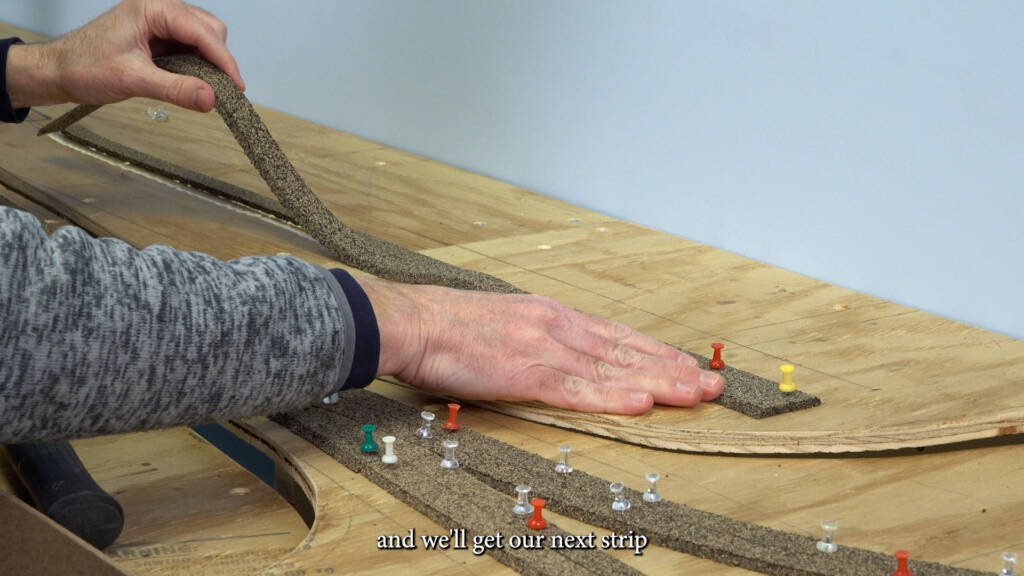
Choosing roadbed | While adding track to your subroadbed layout base is an possible, you’ll want to consider installing an additional, more realistic layer of material specifically designed to support and secure your trackwork. Follow along as David shares various roadbed options that can be used across layouts of all sizes and scales! Be sure […]
Read More…
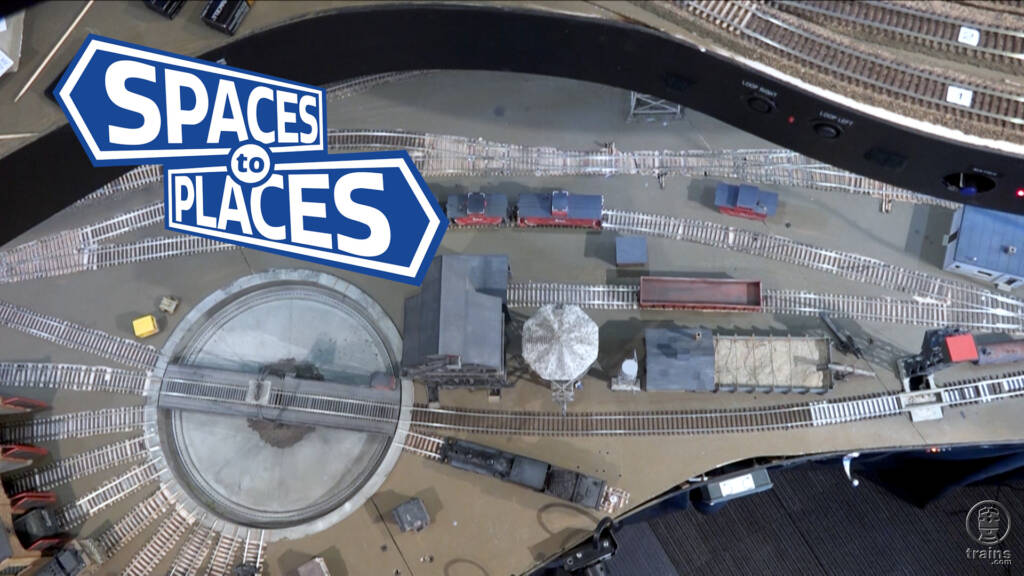
In a space just beyond the lower-level yard recently featured in Spaces to Places VII, is where our host Gerry Leone now turns to make a place for a locomotive servicing area on his double-deck, HO scale (1:87.1) model railroad. Follow along as he first plans and plots out the trackwork and structures needed to […]
Read More…
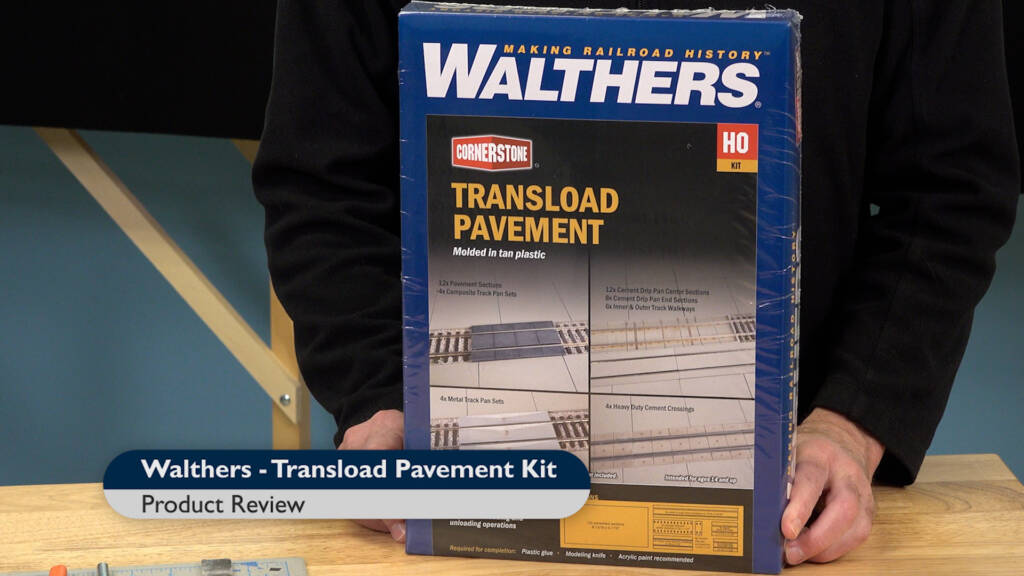
Work is well underway on the HO scale (1:87.1) Milwaukee, Racine & Troy East Troy Industrial Park, our latest project layout and the first model railroad to be constructed at the new Firecrown Media offices in suburban Milwaukee, Wis. We recently received a sample of the Walthers Cornerstone transload facility pavement kit (item No. 933-4186), […]
Read More…
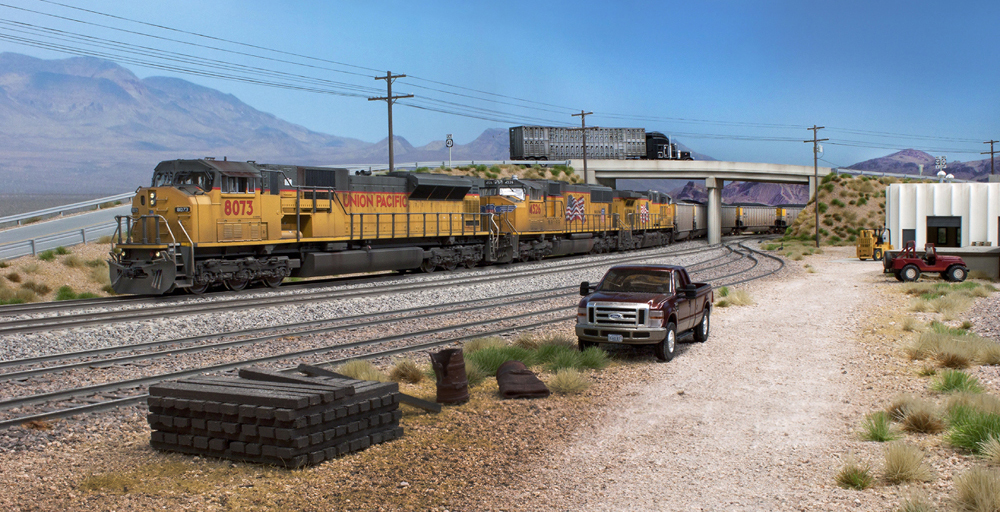
Today, model railroaders are blessed with a wide variety of commercial track in most popular scales. It wasn’t all that long ago that off-the-shelf track was largely one-size-fits all, with oversized rail, bulky ties, and little detail. Now, mass-produced track is available in different rail heights (called codes) with simulated wood or concrete ties, prototypical […]
Read More…