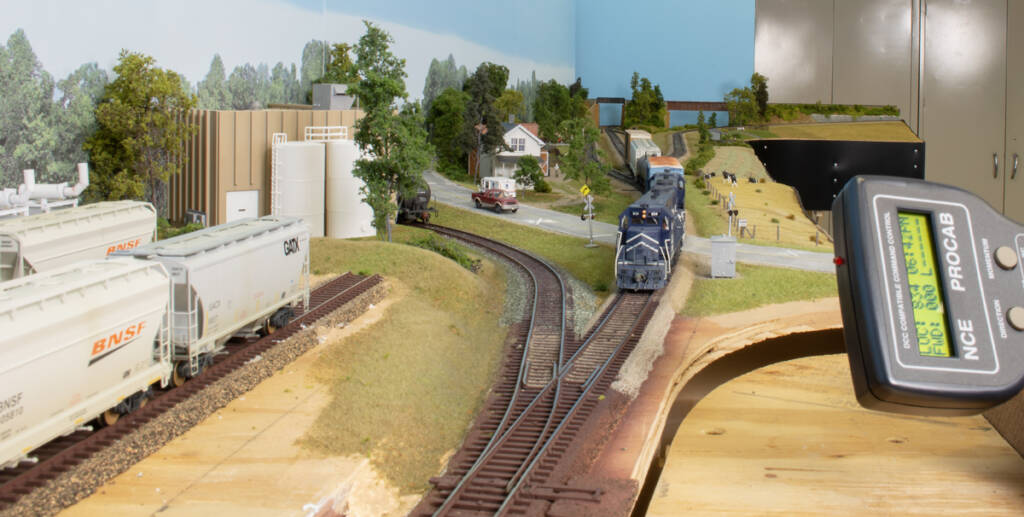
There’s nothing quite like that feeling of running a “first train” on a new model railroad. Although the scenery is still bare benchwork, the look and sound of those first wheels rolling under their own power along nickel-silver rails produces a thrill that never gets old. By the time we reach the conclusion of this […]
Read More…
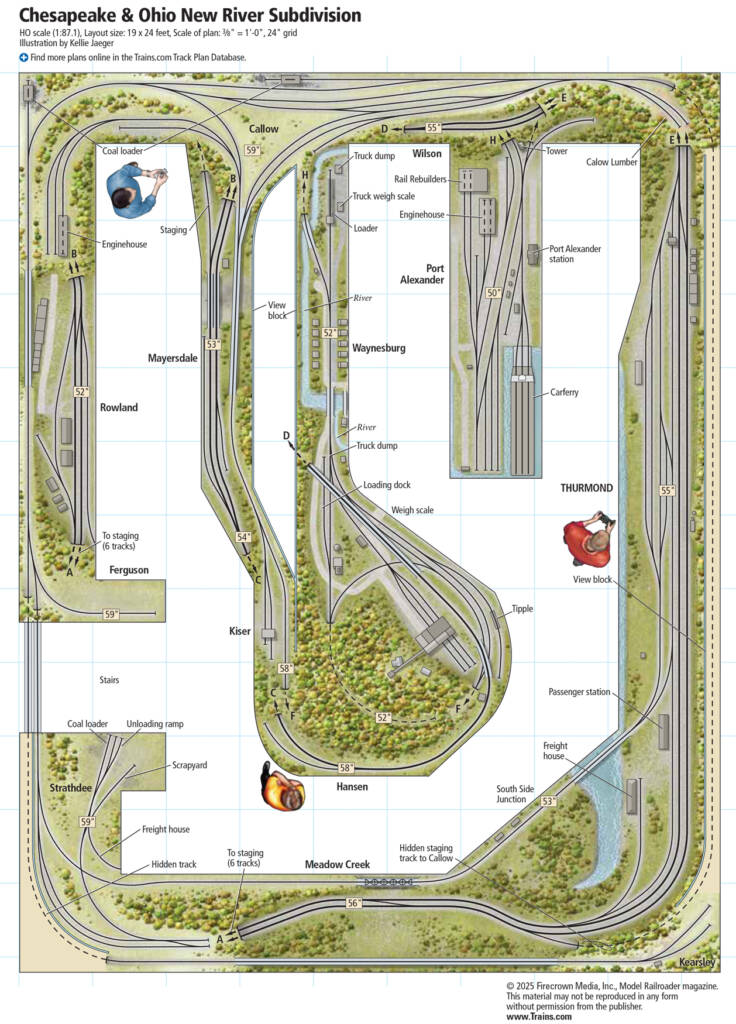
Facts and features Name: Chesapeake & Ohio New River Subdivision Scale: HO (1:87.1) Size: 19 x 24 feet Prototype: C&O New River Gorge and coal mine area Locale: Thurmond, W.Va. Era: 1957 Style: walk-in Mainline run: 102 feet Minimum radius: 30″ (24″ in Waynes-burg Mine wye) Minimum turnout: No. 6 Maximum grade: 1∕8″ per foot […]
Read More…
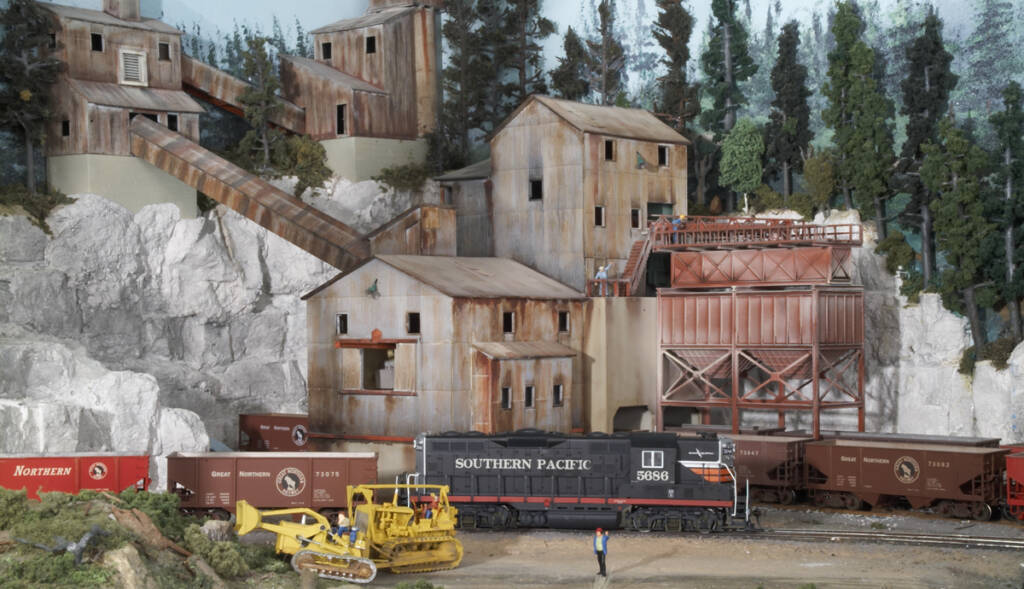
You never know where change will lead you. What started out as an attempt to fine-tune my existing HO scale layout ended with a new house and a 2,600 square-foot, four-deck model railroad – the Sunset Valley Oregon System (SVOS). I started my previous Sunset Valley (SV) layout in 1959 and worked on it for […]
Read More…
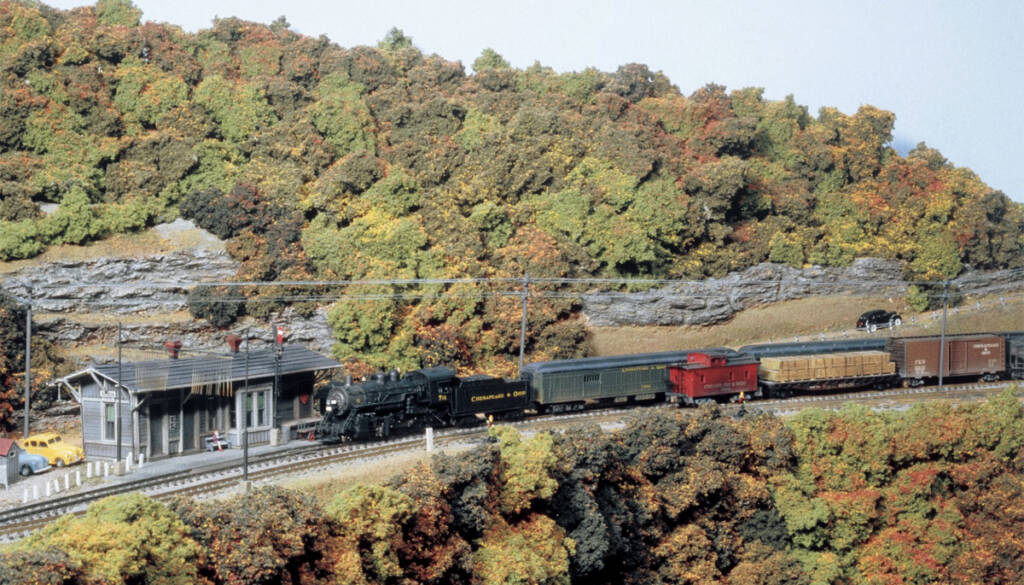
When I first started work on my layout, I built wood and plastic structure kits. I quickly grew frustrated with these buildings as few of them represented those found in Appalachia and along the Chesapeake & Ohio. Considering the lack of accurate building available on the marktet, I began scratchbuilding my own structures from wood […]
Read More…
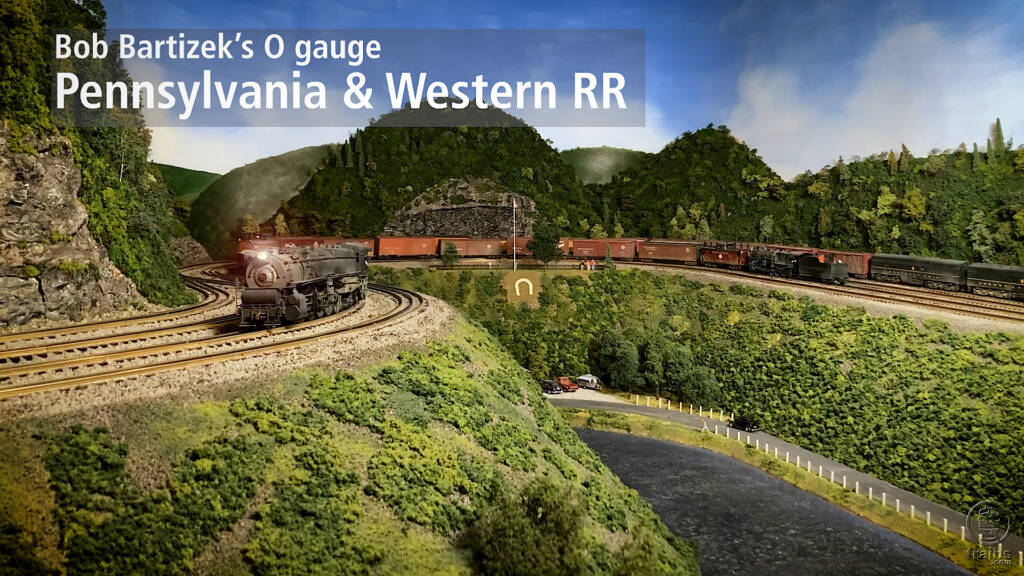
Tour the Pennsylvania & Western RR, Bob Bartizek’s impressive O scale (1:48, 3-rail) model railroad representing a fictional subdivision of the Pennsylvania RR in western Pennsylvania between 1949 and 1953. Though it uses 3-rail power and GarGraves Phantom-line O gauge track with a black center rail, the locomotives and rolling stock are all built to […]
Read More…
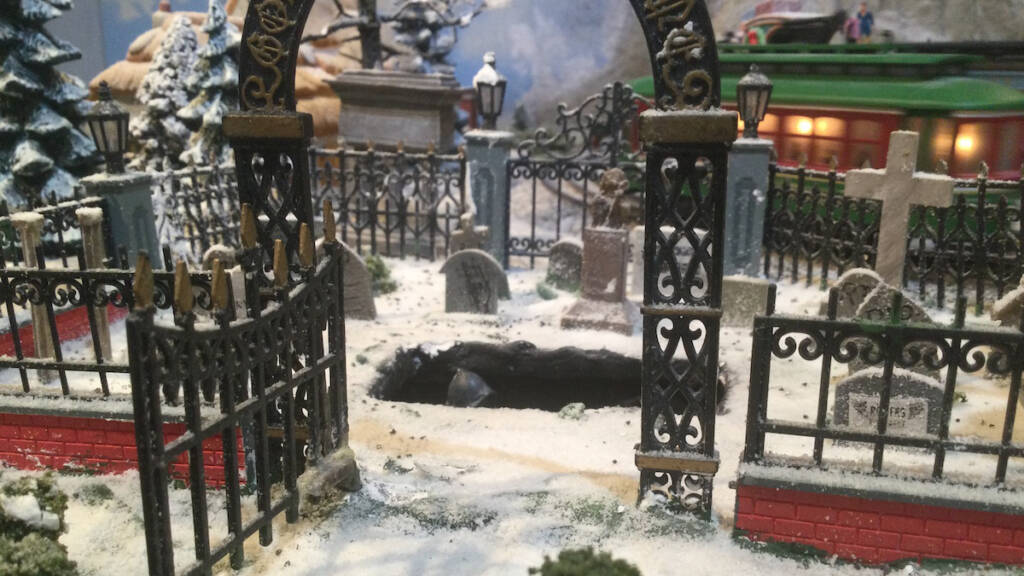
I enjoy animating scenes on my O gauge layout, and have come across a great way to get slower, more-precise realistic action: using servos. A servomotor, or servo, is a small, inexpensive device that provides control over the position, speed, and acceleration of a mechanical system. The device is readily available, easy to program, and […]
Read More…
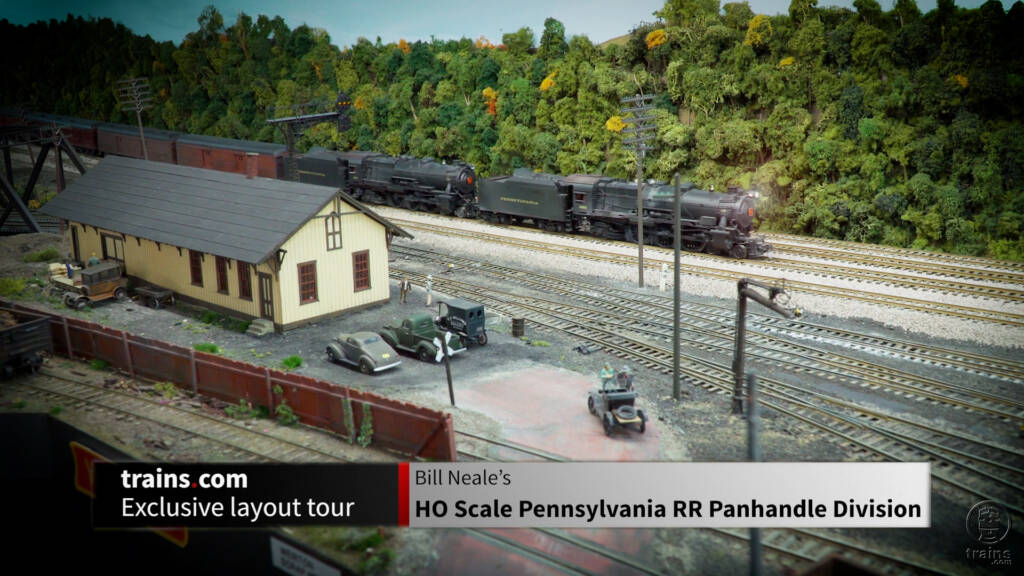
Follow Model Railroader Editor Eric White on a journey into the thick of operations on the Pennsylvania Railroad’s Panhandle Division, as replicated on Bill Neale’s HO scale (1:87.1) model railroad! As feature in Great Model Railroads 2010, Bill’s 200-foot multi-level layout captures a vital stretch of mainline serving the coal and steel country of western Pennsylvania […]
Read More…
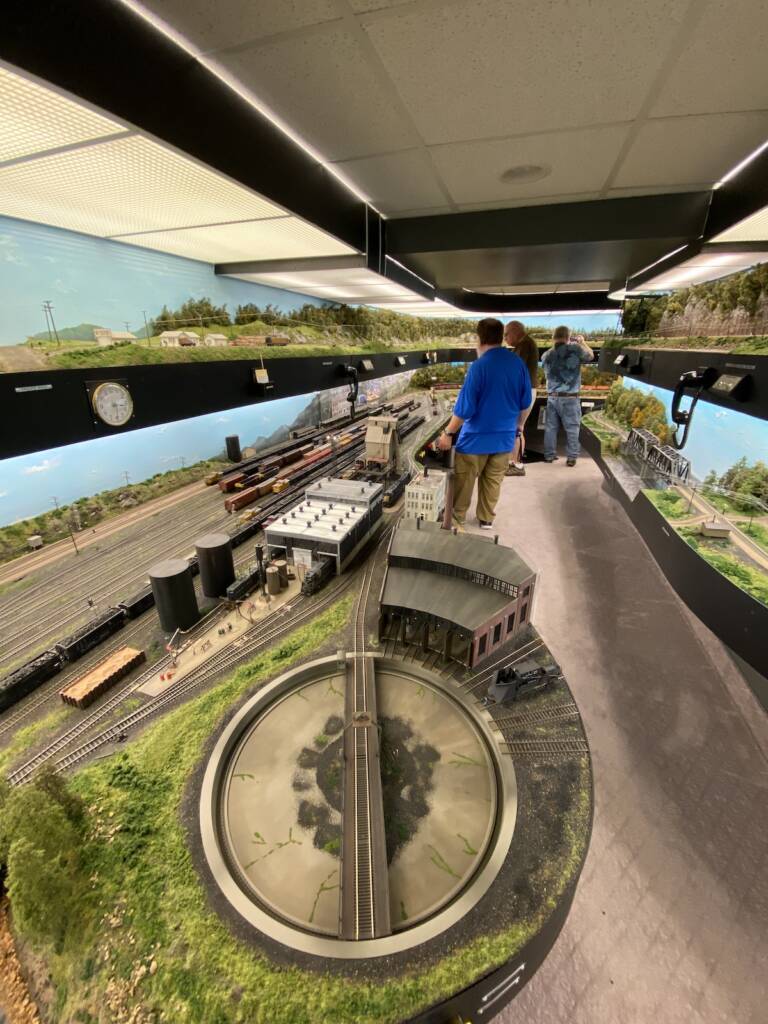
Open houses, whether at model railroad clubs or private home layouts, offer fantastic opportunities to connect with fellow modelers and share the hobby. It’s also a joy to see what makes a layout tick and how one differs from another. While hosting an open house requires careful planning — as Arlan Tietel thoroughly explains in […]
Read More…
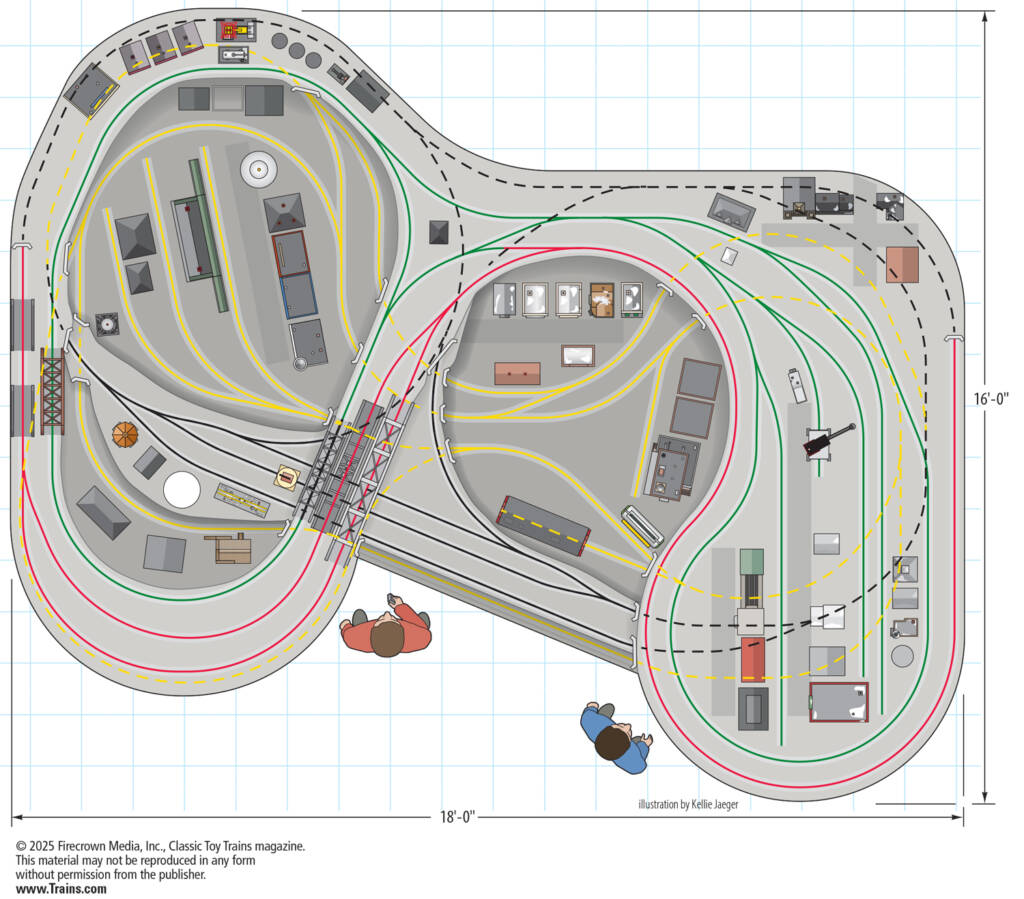
Name: Norm Jurgen’s O gauge layout Dimensions: 16 x 18 feet Track and switches: Lionel FasTrack (diameters range from 60 to 72 inches) Motive power: Lionel Rolling stock: Lionel Controls: Lionel Nos. 22983 180-watt PowerHouses (9), CW-80 transformer (5) with TrainMaster Command Control Accessories: Lionel, MTH Structures: Department 56, Lionel, MTH, Woodland Scenics Vehicles: Altaya, […]
Read More…
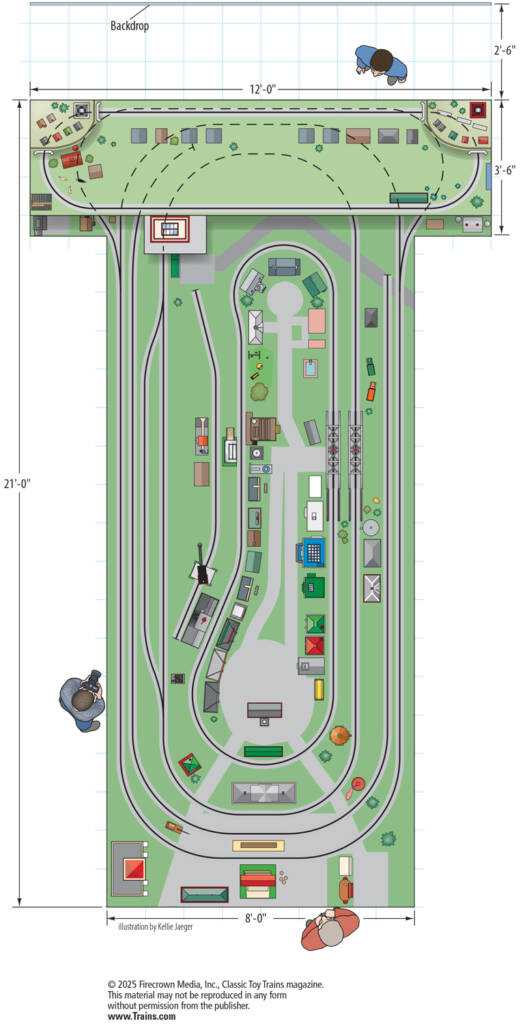
Name: Jim Steed’s Blairsville & Georgia Southern RR Gauge: O Dimensions: 8 x 21 feet Track: K-Line, Lionel, Menards (diameters range from 31 to 54 inches) Switches: Lionel Motive power: Lionel (postwar, modern), MTH, Williams Rolling stock: Lionel (postwar, modern), MTH Controls: Lionel type-Z, MTH No. Z-4000 (3) transformers Accessories: Hafner, Lionel (postwar, mod-ern), Marx, […]
Read More…
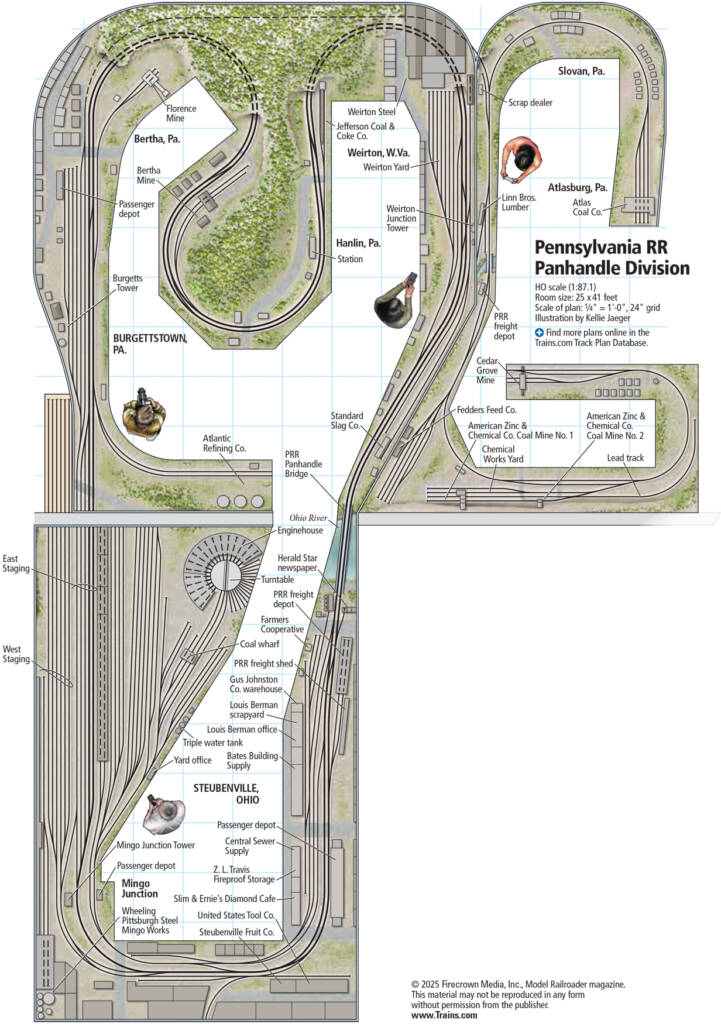
Facts and features Name: Pennsylvania RR Panhandle Division Scale: HO (1:87.1) Size: 25 x 41 feet Prototype: Pennsylvania RR Locale: eastern Ohio, western Pennsylvania, and West Virginia panhandle Era: late 1940s and early 1950s Style: walk-in Mainline run: 150 feet Minimum radius: 36″ (main), 24″ (branch) Minimum turnout: No. 6 (main), No. 5 (branch) Maximum […]
Read More…
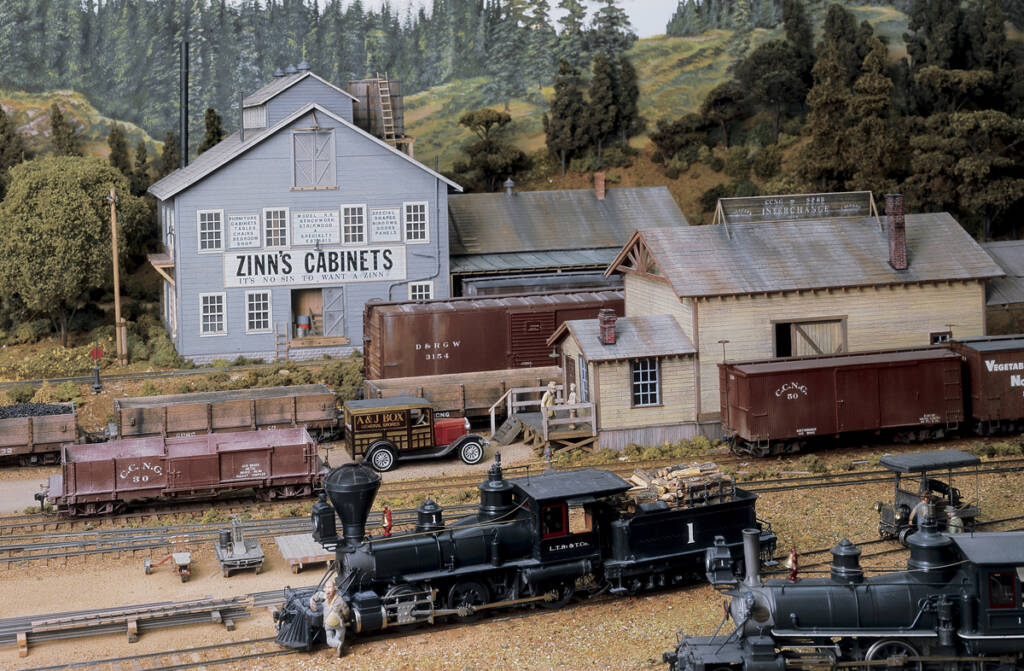
When David Clune began work on his On3 Cascade County Narrow Gauge in 1985, he intended it to be a small model railroad. His initial plan was to have a freight railroad that ran between two small towns, incorporating enough rail-served industries to keep two operators busy for an evening. But before David knew it, […]
Read More…