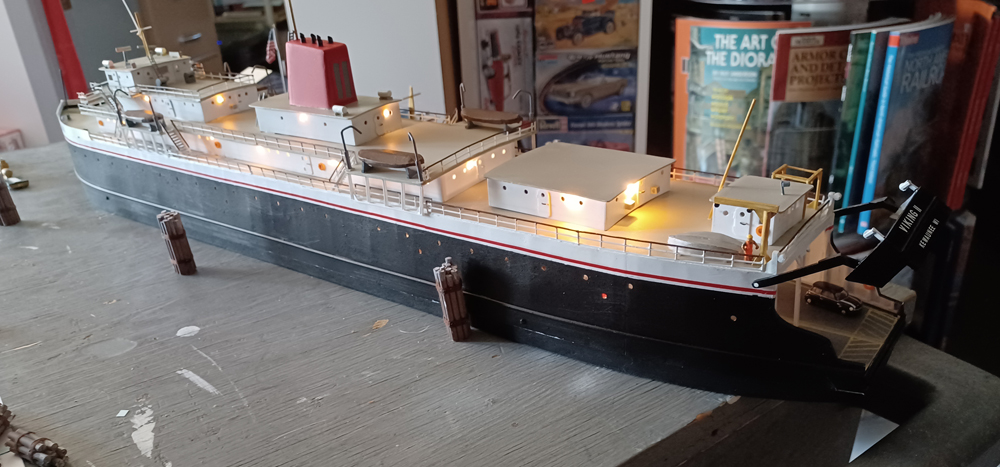
In 1980 and 1981, my wife and I rode round trips on the Viking and Badger, respectively, when they were still being used as railroad carferries operating between Wisconsin and Michigan. After those trips, I wanted to build an N scale version of the Viking. Unfortunately, I didn’t have the time or skills required back […]
Read More…
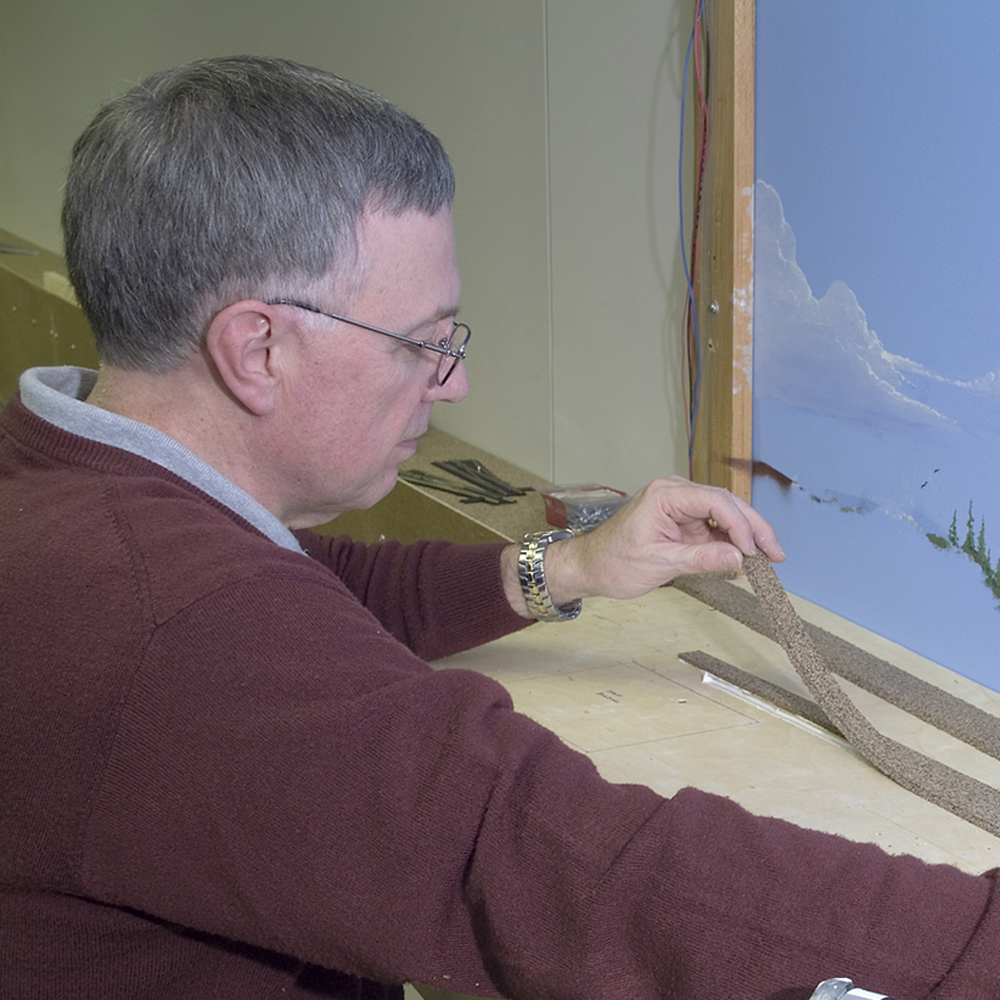
Q: What is the best adhesive to use for attaching cork roadbed to wood or extruded-foam insulation board? — Ronald Jaeger A: In Basic Trackwork for Model Railroaders — Second Edition (Kalmbach Books, 2014), Jeff Wilson wrote, “Cork can be nailed in place, but glue is a much neater option. I prefer white glue for […]
Read More…
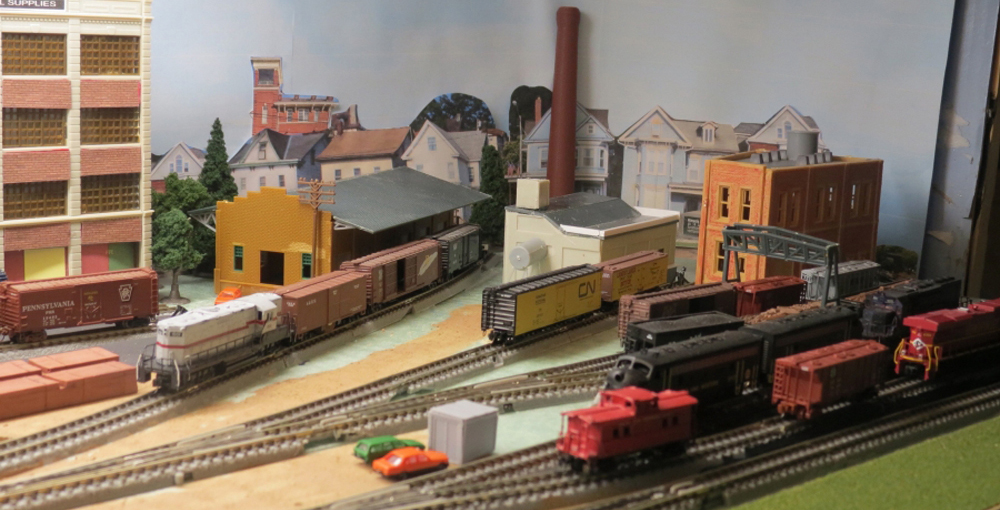
Built by Others is an article series showcasing layouts constructed by modelers using plans and projects from the pages of Model Railroader and its related products. The HO scale Winston-Salem Southbound Tar Branch layout project layout first appeared in the pages of Model Railroader in January of 2018, as well as the 2017 issue of […]
Read More…
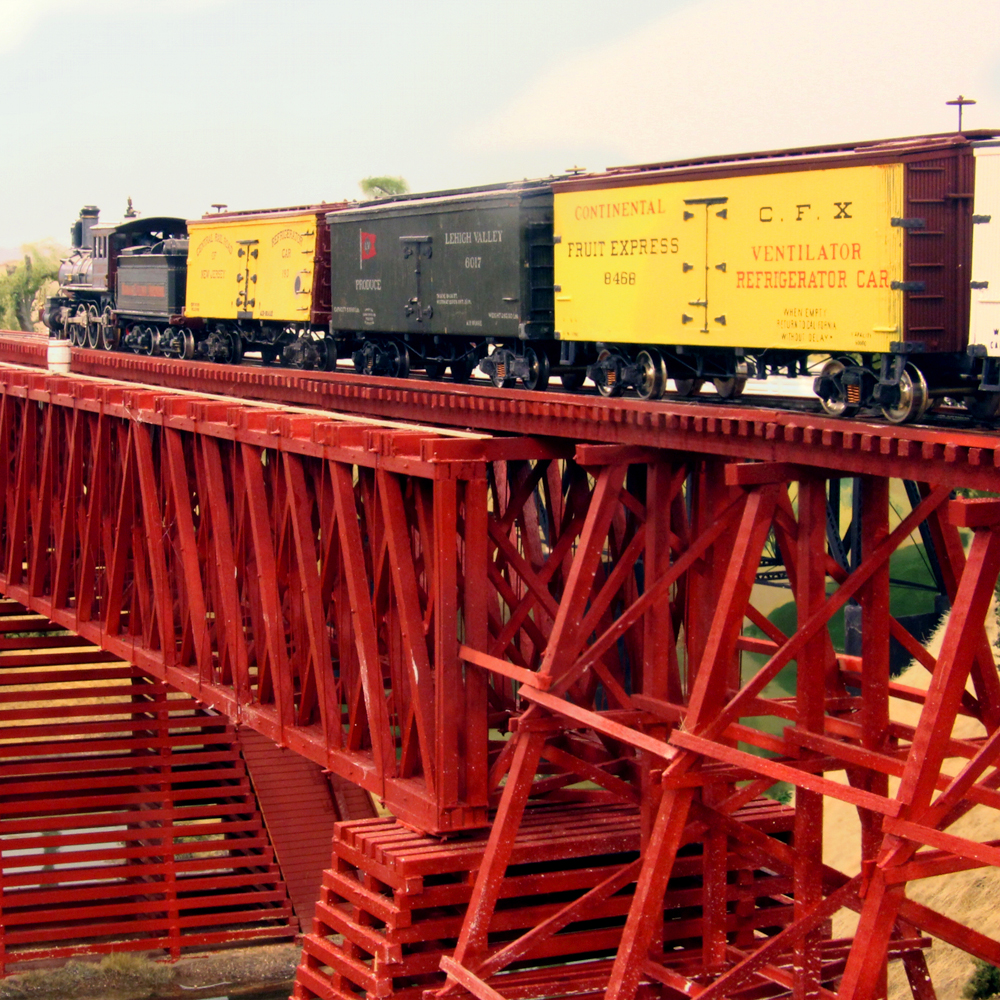
Q: Many of Model Railroader’s articles, reviews, and advertisements focus on products representing the “modern” era, say the 1940s to the present. That’s OK, and much of your audience obviously enjoys modeling contemporary railroading. However, I’m interested in modeling the railroad industry as it was in the 19th century. Can you suggest the names of […]
Read More…
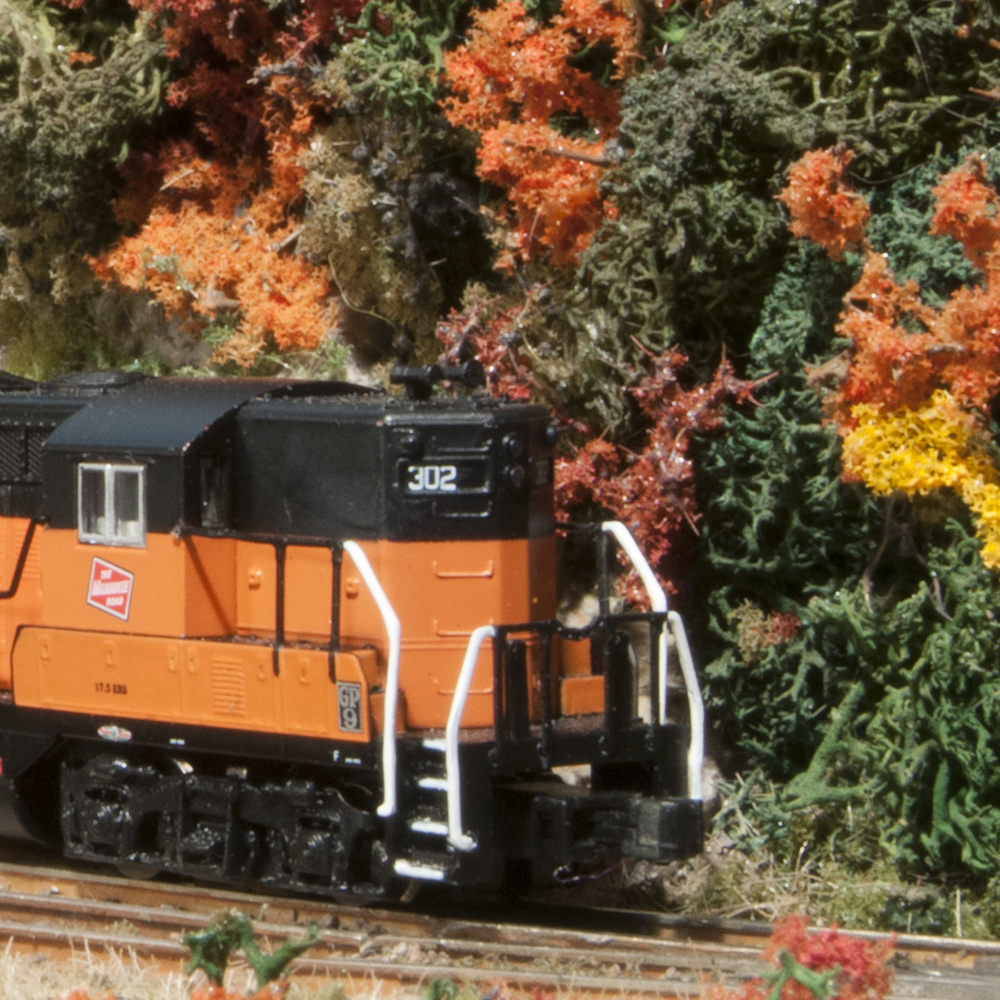
Q: I have a question regarding using lichen to simulate vegetation on a layout. My basement is clean but unfinished, so the wood floor joists overhead and the concrete walls are all visible. The basement isn’t particularly humid, but it isn’t climate controlled either. There are the occasional spiders and cobwebs, as is normal in […]
Read More…
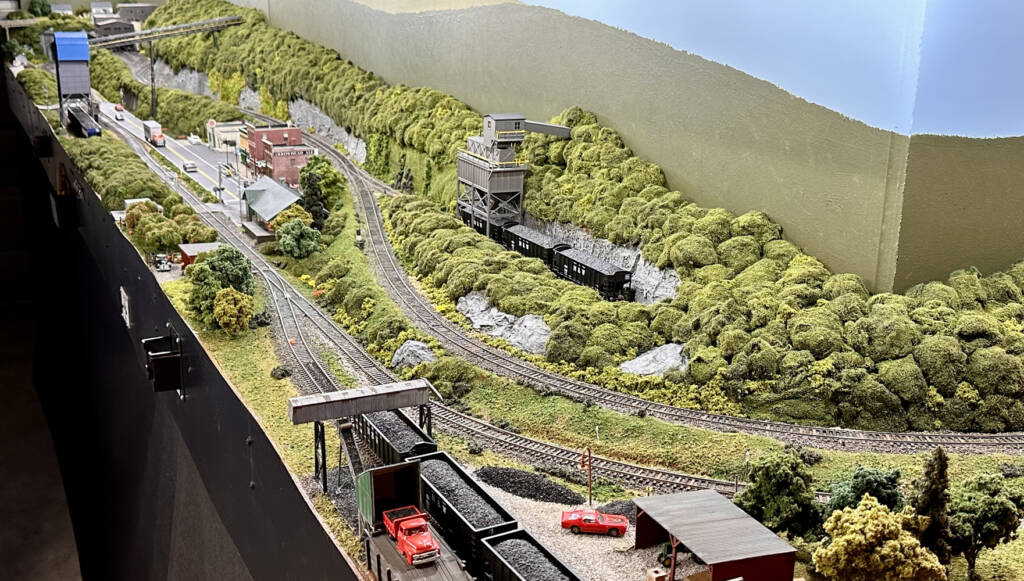
Built by Others is an article series showcasing layouts constructed by modelers using plans and projects from the pages of Model Railroader and its associated products. The Virginian project layout first appeared in the pages of Model Railroader in January of 2012. Dustin Whitten’s Norfolk & Western South Branch layout took inspiration from this project […]
Read More…
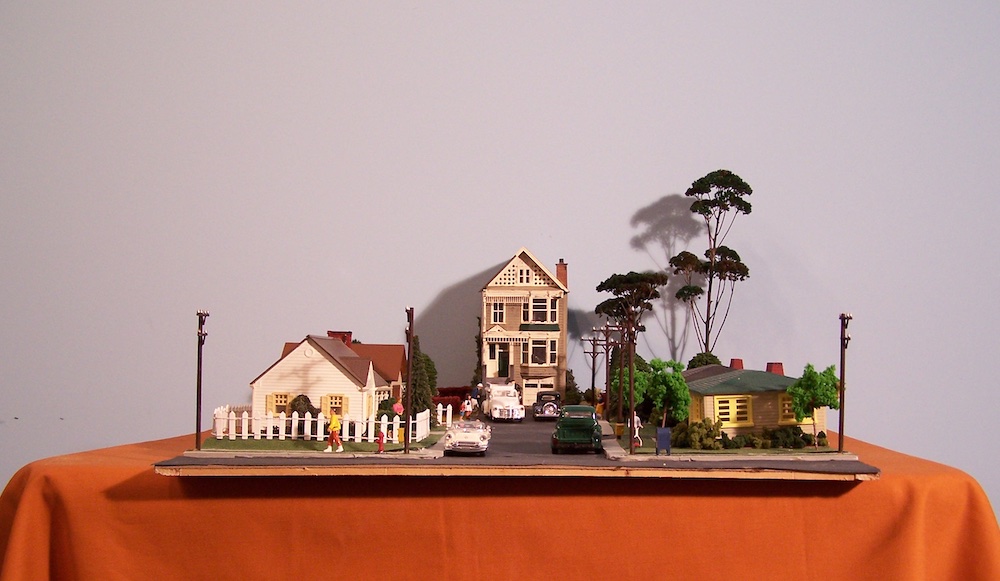
Perhaps you don’t have the space to build a layout but still want to build “something.” Maybe your layout is already built but you’re looking to renovate a scene or section. Or there might be a show coming up and you want to highlight a scene or show off an animated feature. The solution to […]
Read More…
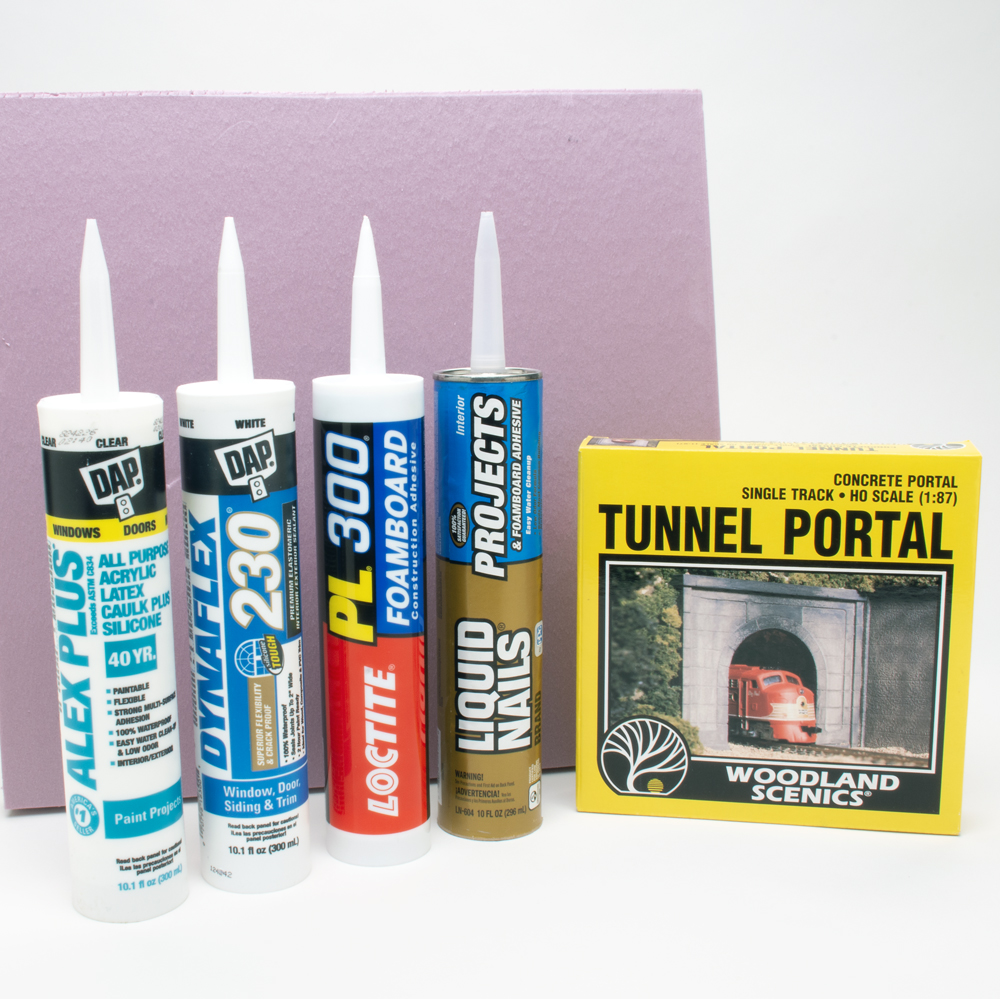
Q: I’m building a retaining wall using Woodland Scenics’ cut stone castings and want to attach them to extruded-foam insulation board. What is the best glue to use for this project? — Alan Cox A: The Woodland Scenics cut stone retaining walls are Hydrocal castings, so you’re going to want an adhesive that will work […]
Read More…
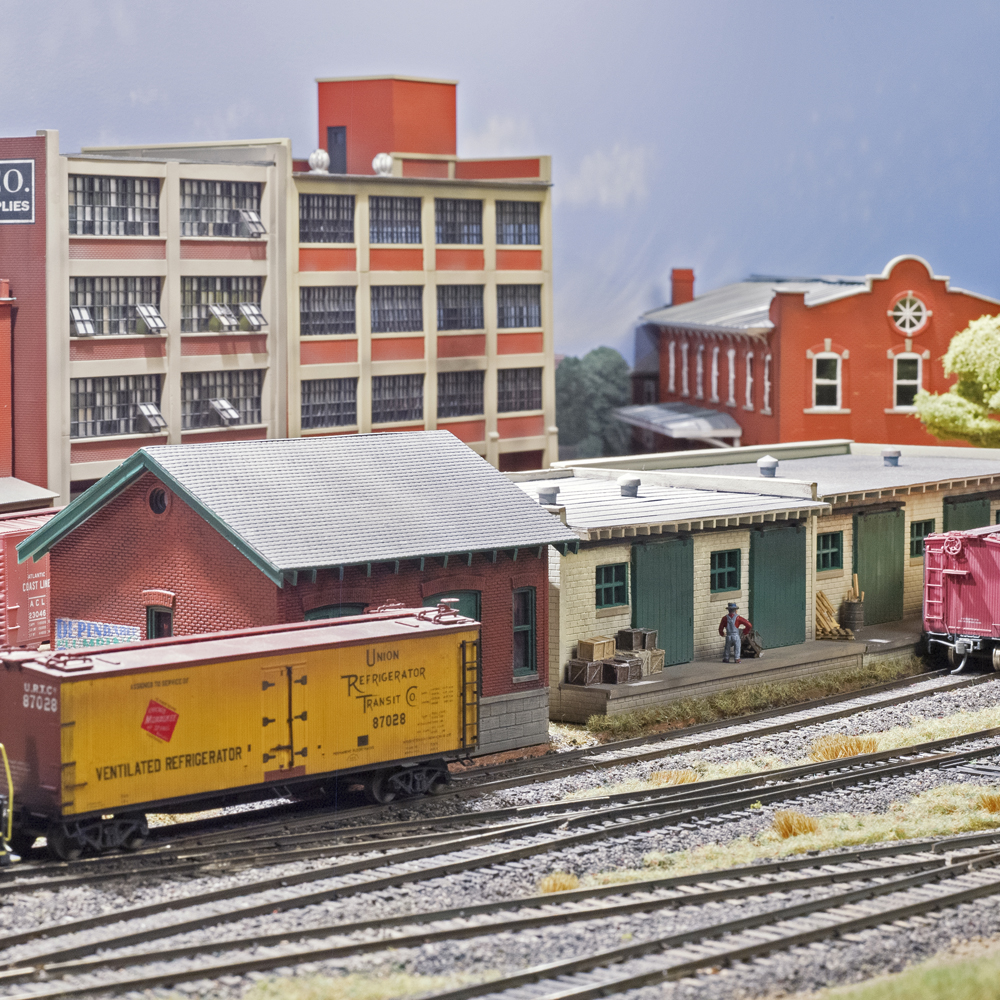
Q: On the Winston-Salem Southbound Tar Branch project layout there were three small industries in the middle. Do you have the brands and descriptions of the structures used? — Andy Sestak Before I answer your question, Andy, I want to back up a step to catch everyone up to speed. The Winston-Salem Southbound Tar Branch […]
Read More…
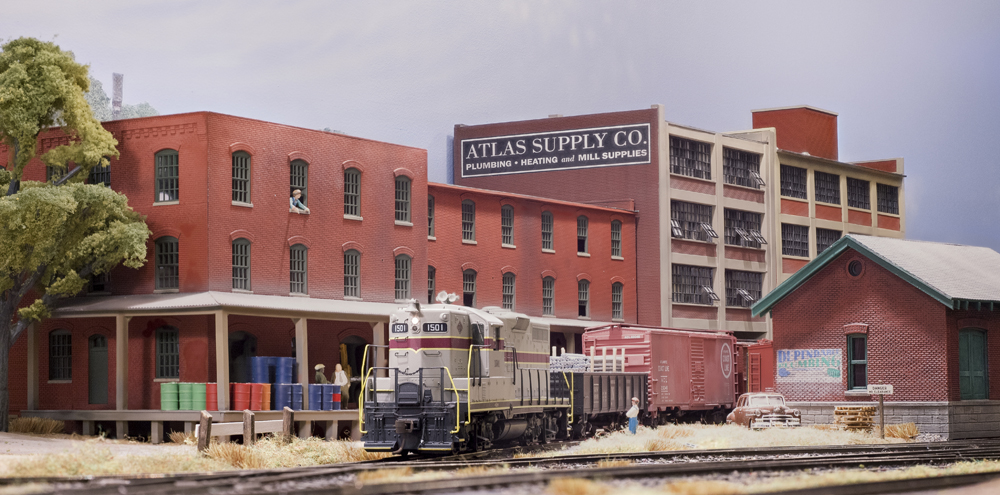
Contrary to popular belief, modeling an urban scene doesn’t require a bunch of space. Want proof? Check out the Winston-Salem Southbound, our 2018 project layout, shown in the photo above. The 2’-9” x 8’-2” HO scale shelf layout depicted the railroad’s Tar Branch in Winston-Salem, N.C. It featured more than a half-dozen rail-served industries, as […]
Read More…
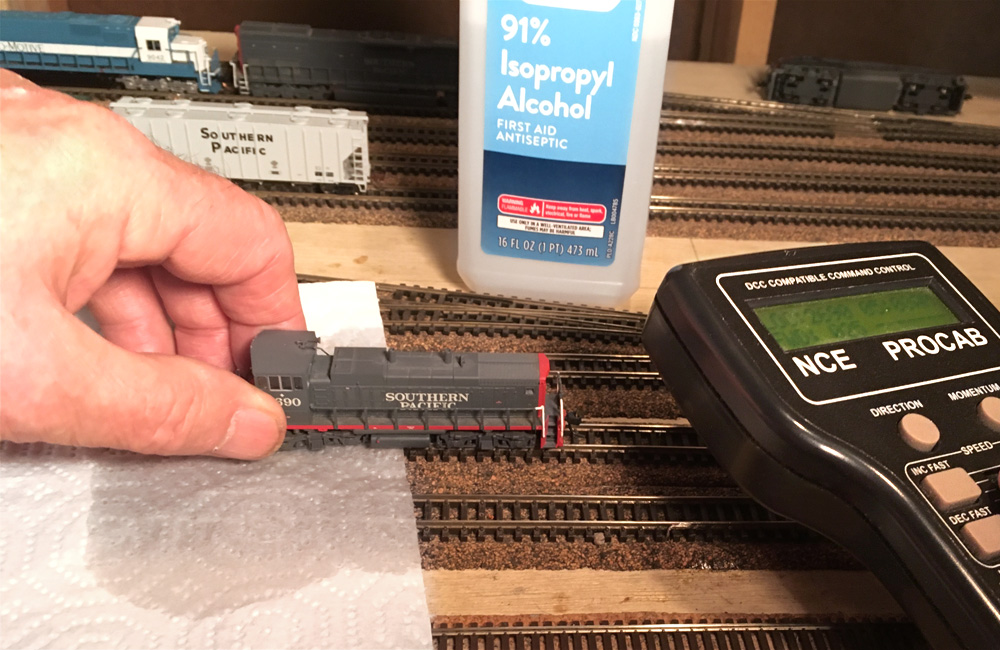
Q: I have heard of some of the uses for alcohol in model railroading, such as cleaning parts, removing paint, and track cleaning. Are there other uses I’m not aware of? And at what strengths would be used? — Ron Buddemeier A: Isopropyl alcohol is a fairly strong solvent, and as such, there are a […]
Read More…
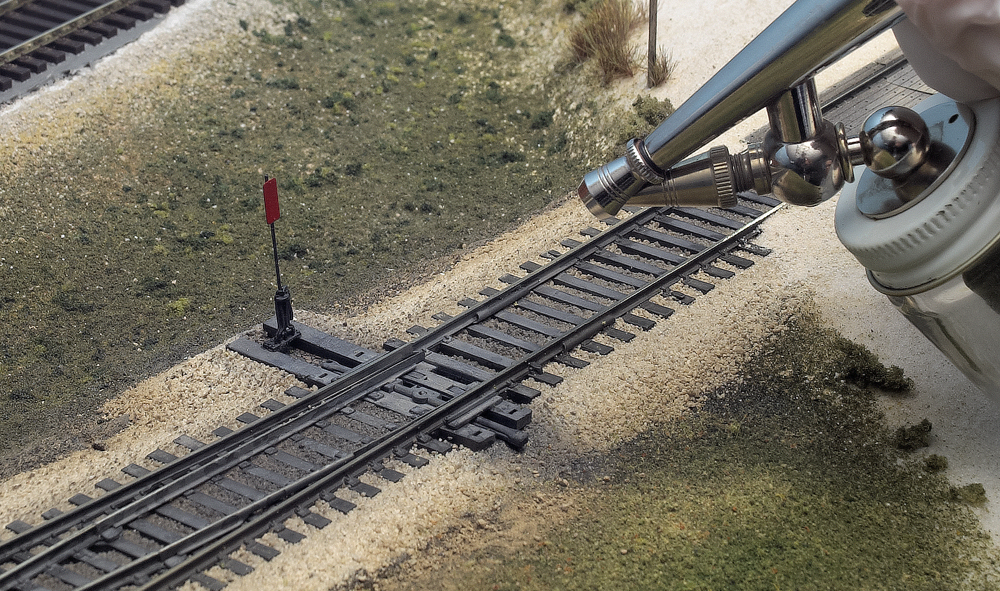
Regardless the size, model railroads require regular maintenance. Cleaning track, dusting scenery and structures, and maintaining equipment are just some of the things that require attention. Not keeping up on these tasks will lead to a layout that runs poorly, looks tired, and potentially cause you (and/or members of your operating crew) to lose interest. […]
Read More…