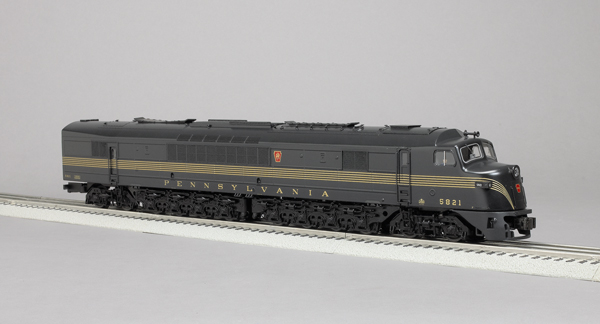
I don’t recall if I’ve ever proclaimed my all-time favorite diesel (real or model). If I haven’t, well, the winner is the Baldwin Centipede. It was long, imposing, and about as far away from the more delicate appearance of an Electro-Motive Division FT or F3 as you could get. The Centipede had a massive line […]
Read More…
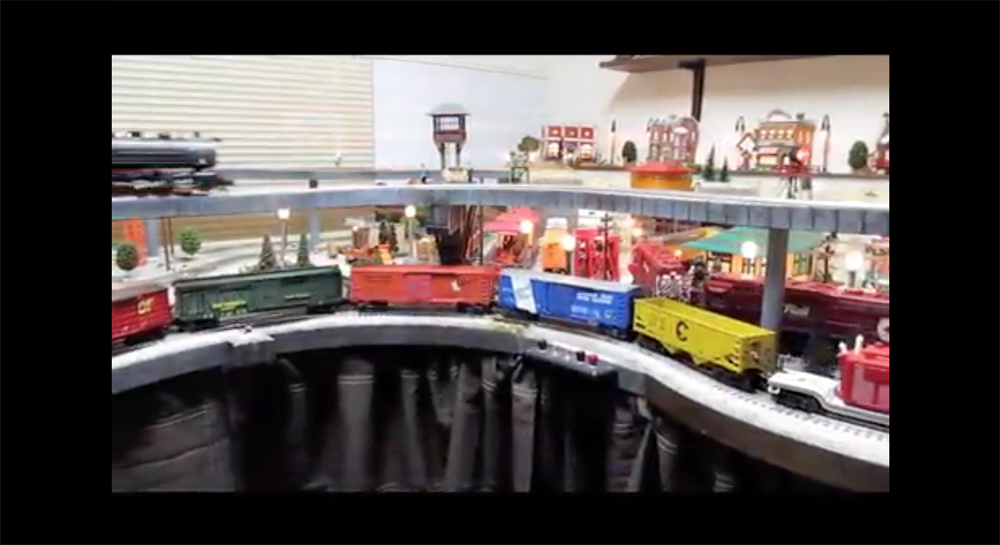
Barri Evangelisti’s O gauge layout, built on two levels in a spare bedroom, features accessories and trains operating atop hollow doors. Watch the video below to see how much train action he could pack into a 10 x 11-foot space. […]
Read More…
Drew Madere built his 11 x 20-foot layout in his garage and created an O gauge railroad based on his memories of growing up in rural Louisiana. Watch his trains in action in the video below. […]
Read More…
Barri Evangelisti’s O gauge layout, built on two levels in a spare bedroom, features accessories and trains operating atop hollow doors. Watch the video below to see how much train action he could pack into a 10 x 11-foot space. […]
Read More…
Drew Madere built his 11 x 20-foot layout in his garage and created an O gauge railroad based on his memories of growing up in rural Louisiana. Watch his trains in action in the video below. […]
Read More…
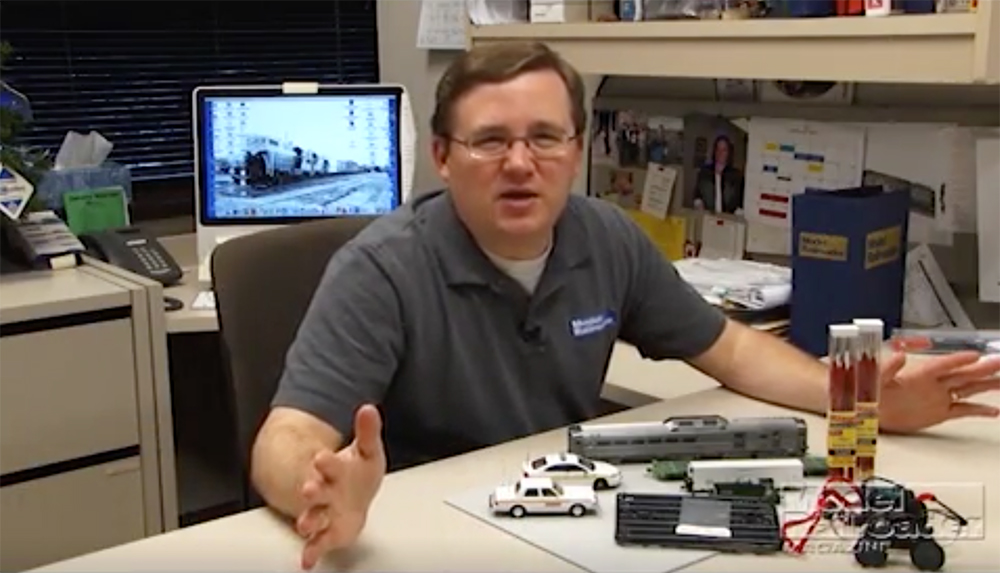
Having trouble viewing this video? Please visit our Video FAQ page Associate editor Cody Grivno shares modeling tips and some of the latest hobby-related products to arrive at the Model Railroader offices. This month Cody will show you these handy specs from CraftOptics. They combine prescription lenses with magnifiers. You’ll also see new products […]
Read More…
Having trouble viewing this video? Please visit our Video FAQ page Associate editor Cody Grivno shares modeling tips and some of the latest hobby-related products to arrive at the Model Railroader offices. This month Cody will show you these handy specs from CraftOptics. They combine prescription lenses with magnifiers. You’ll also see new products […]
Read More…
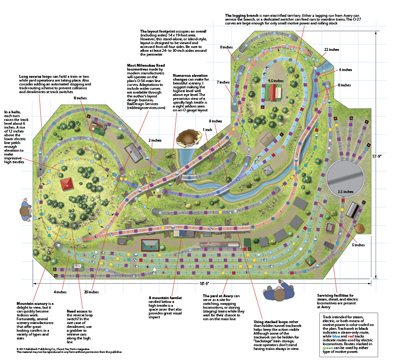
Layout designer: Michael Tylick Scale: O Layout size: 14 x 19 feet Track type: Atlas O Minimum curve: O-27 Originally appeared in the February 2013 issue of Classic Toy Trains. A Rocky Mountain railroad for your rec room A Rocky Mountain railroad for your rec room components […]
Read More…