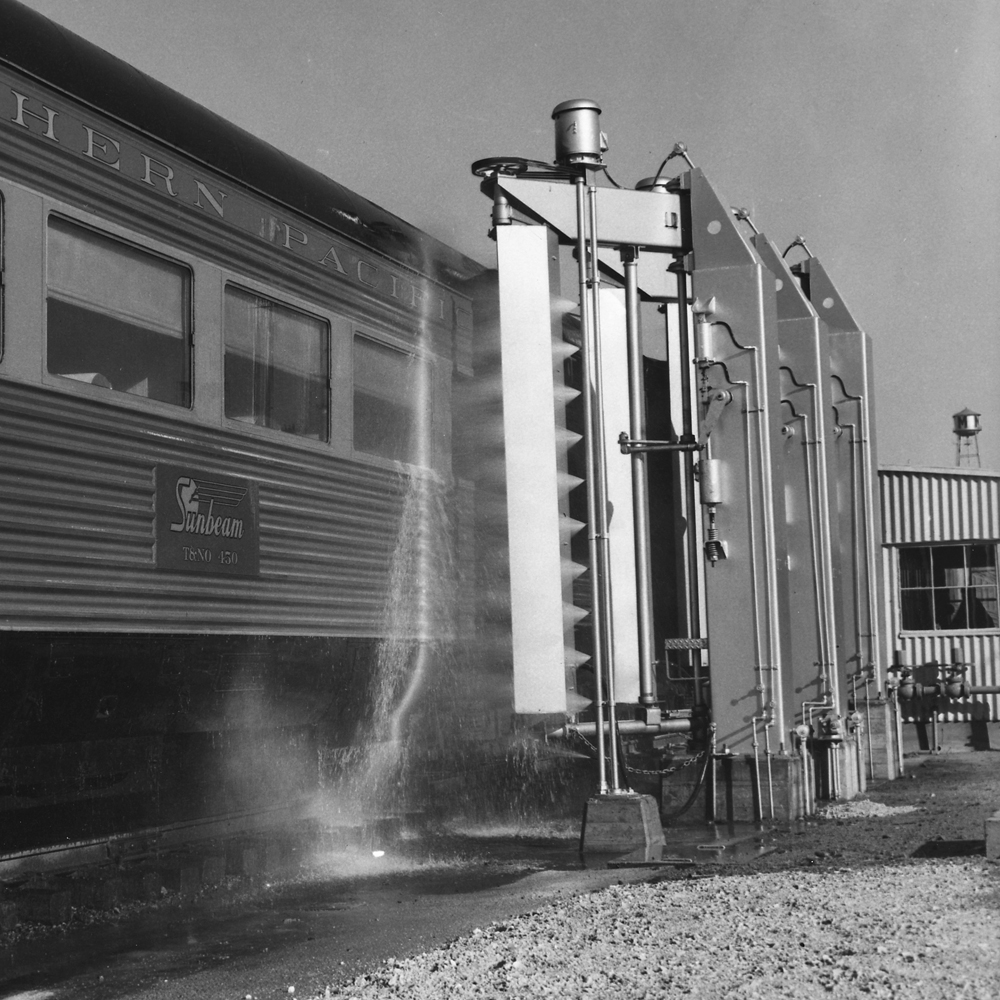
Q: How do mechanical passenger car washers work? — Steve Moore A: Keeping passenger cars clean is a never-ending battle as they’re subjected to the same dirt, dust, and grime as locomotives and freight cars. While spot cleaning, such as windows, is handled en route, extensive cleaning is handled at coach yards and larger terminals. […]
Read More…
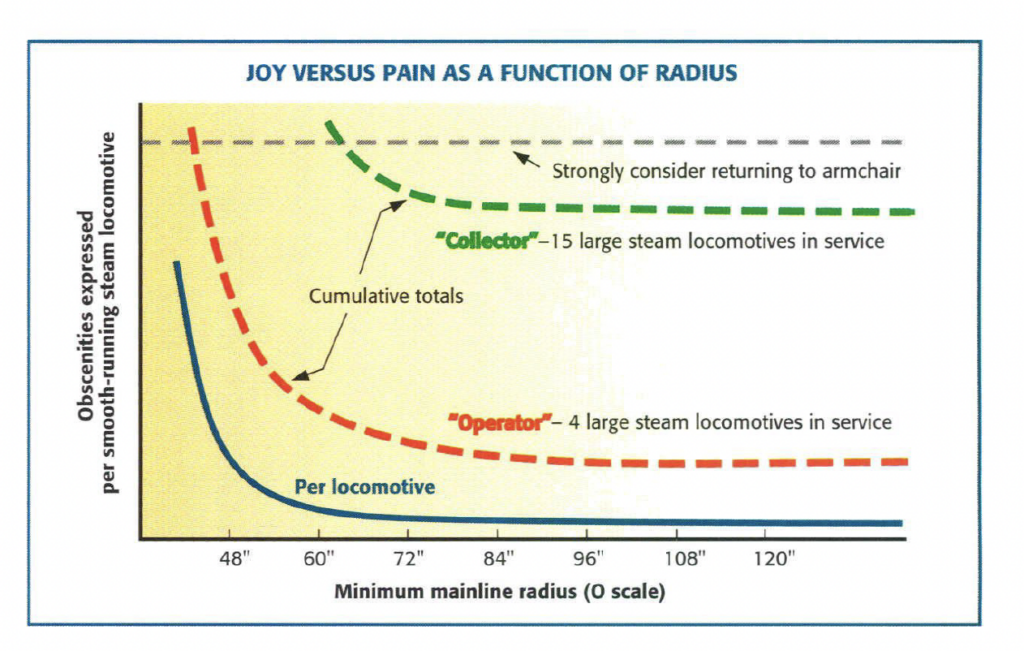
Editor’s note: I’ve found a number of unpublished manuscripts in our file cabinets. This one dates from around 1999. Does it still apply today? Do you think that simplifying or finding a new aspect of the hobby can re-invigorate your love of toy trains? Leave a comment and let us know. As railroad enthusiasts go, […]
Read More…
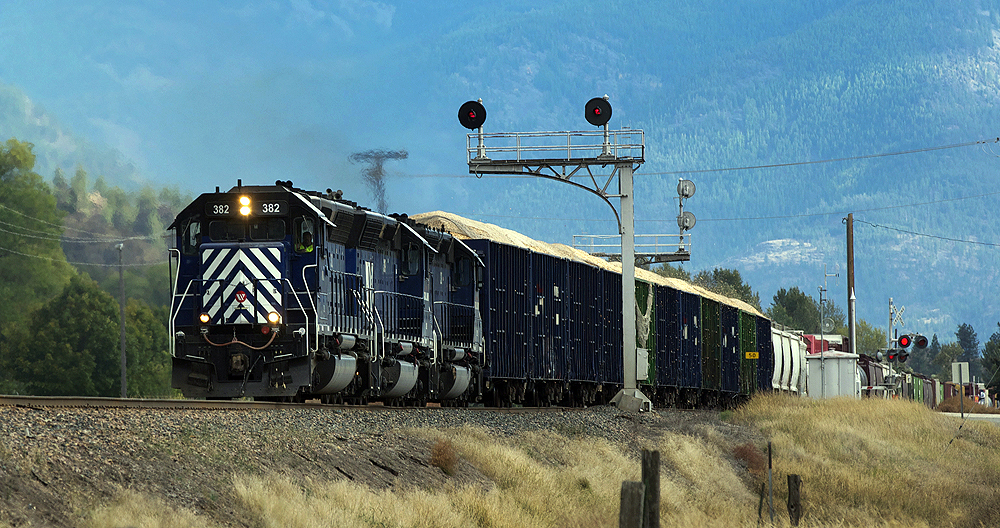
A common question newcomers to model railroading ask is “Why do railroads use signals?” The quick answer is to keep trains moving safely. But the topic of railroad signals deserves more of an explanation. The evolution of railroad signals When trains are running in the same direction on the same line, in opposite directions on […]
Read More…
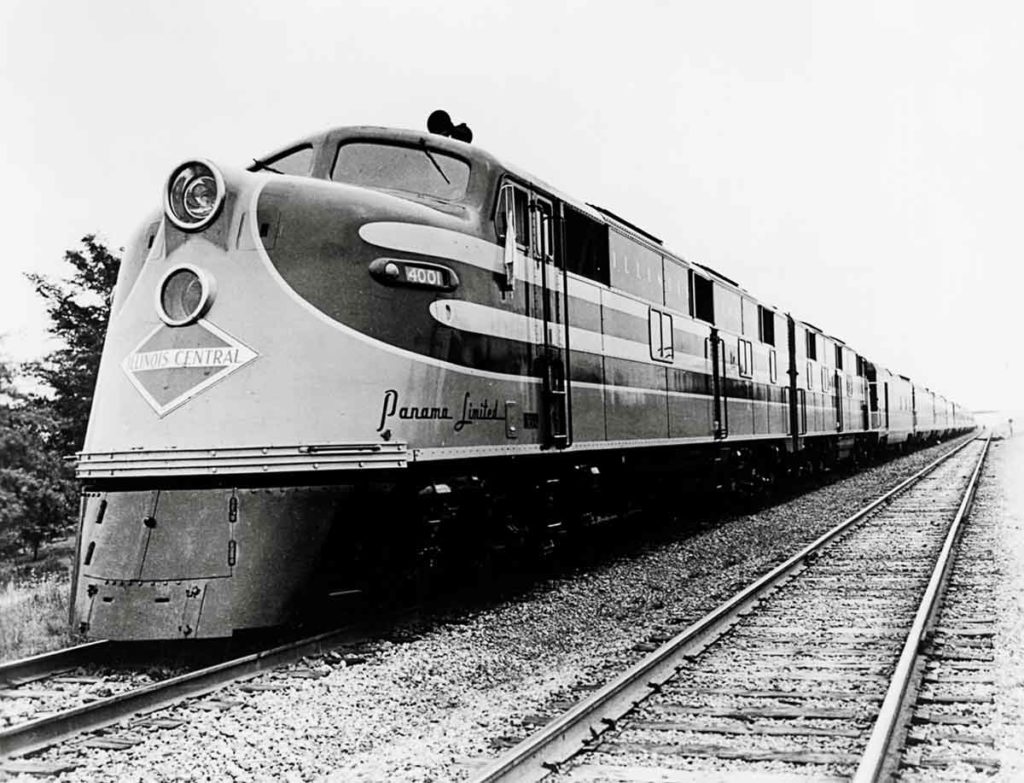
Two E6 diesels pose grandly with Illinois Central’s newly streamlined all-Pullman Panama Limited in an early-1940s publicity photo. Electro-Motive photo […]
Read More…
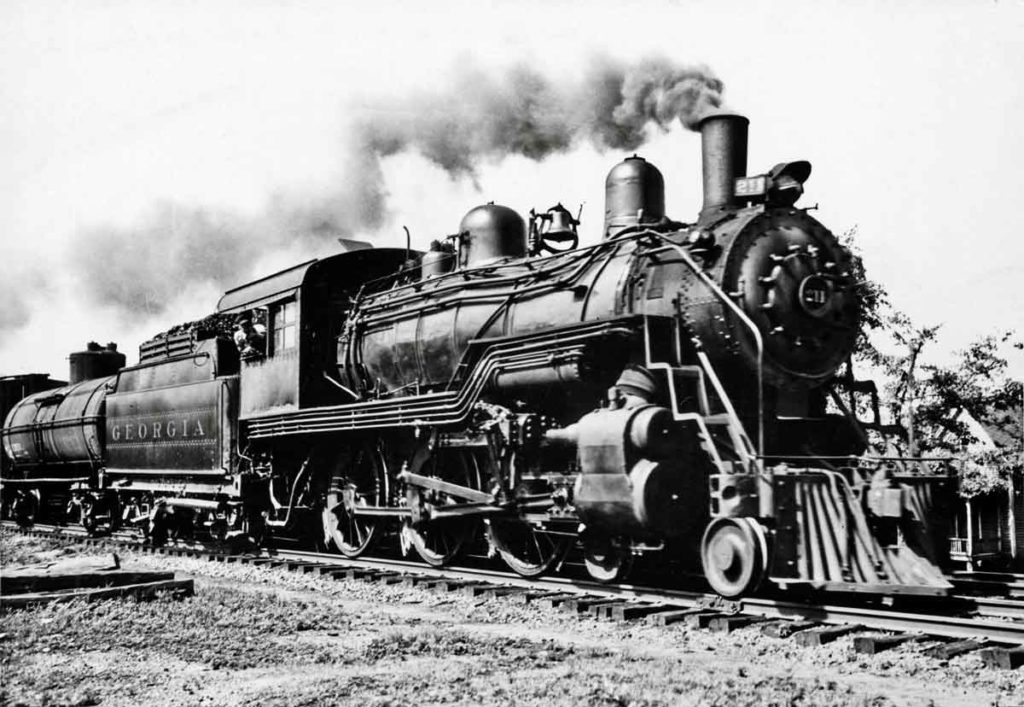
Ten-Wheeler No. 211 of the Georgia Railroad rolls freight out of Scottsdale, Ga., in June 1936. C. K. Marsh Jr. coll. […]
Read More…
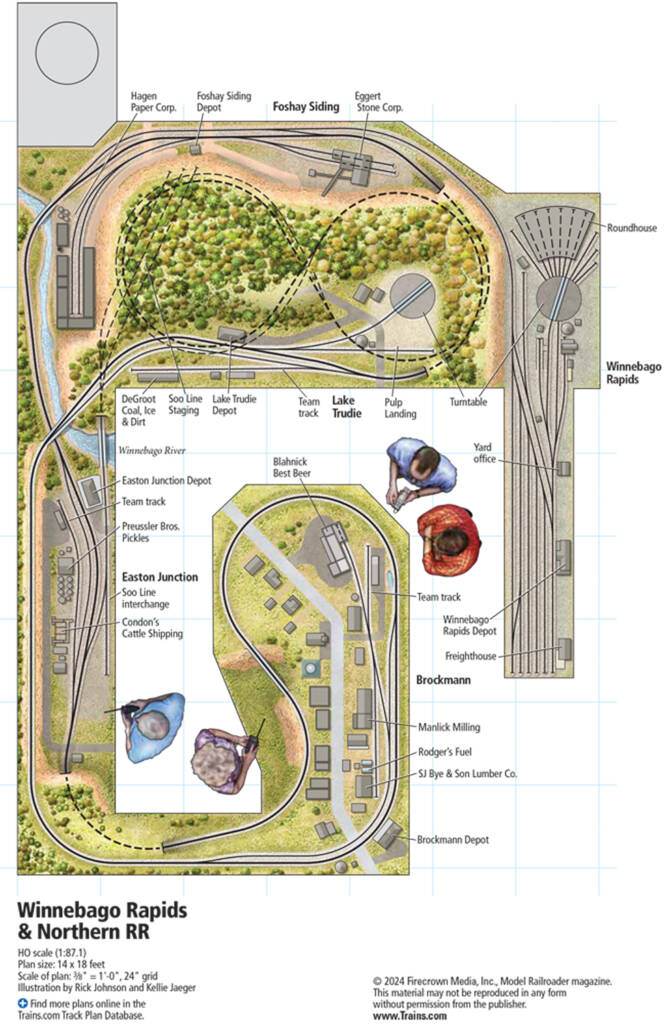
Facts and features Name: Winnebago Rapids & Northern RRScale: HO (1:87.1)Size: 14 x 18 feetPrototype: freelancedLocale: WisconsinEra: 1956Style: walk-inMainline run: 120 feetMinimum radius: 24″Minimum turnout: No. 6Maximum grade: 31⁄2%Benchwork: L-girderHeight: 41″ to 49″Roadbed: HomabedTrack: code 83 (handlaid in visible locations, extrack in hidden areas)Scenery: extruded-foam insulation board and clothshellBackdrop: painted drywallControl: NCE ProCab Click the […]
Read More…
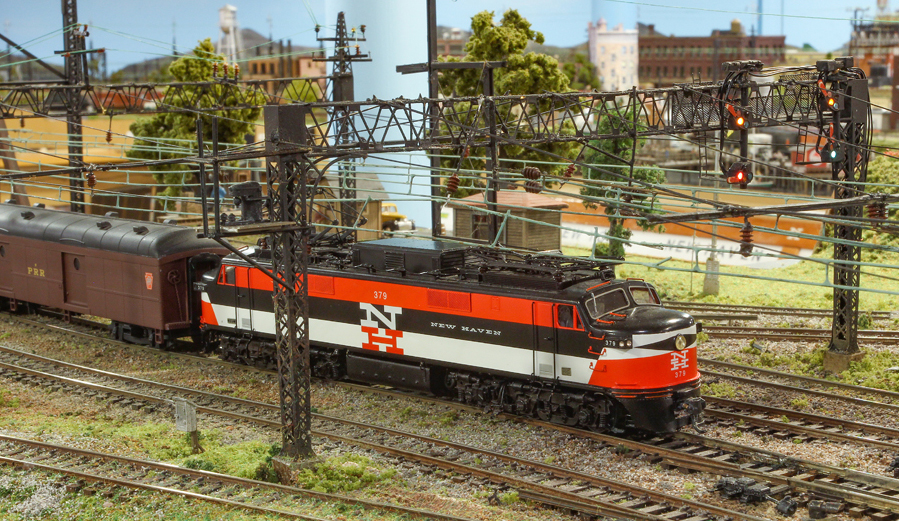
When you think about electrified rail lines today, the first thing that probably comes to mind is Amtrak’s Northeast Corridor. But in the first half of the 1900s, before the start of the diesel era, railroads used electrified lines to move freight and passengers. Examples in the east included the New York, New Haven & […]
Read More…
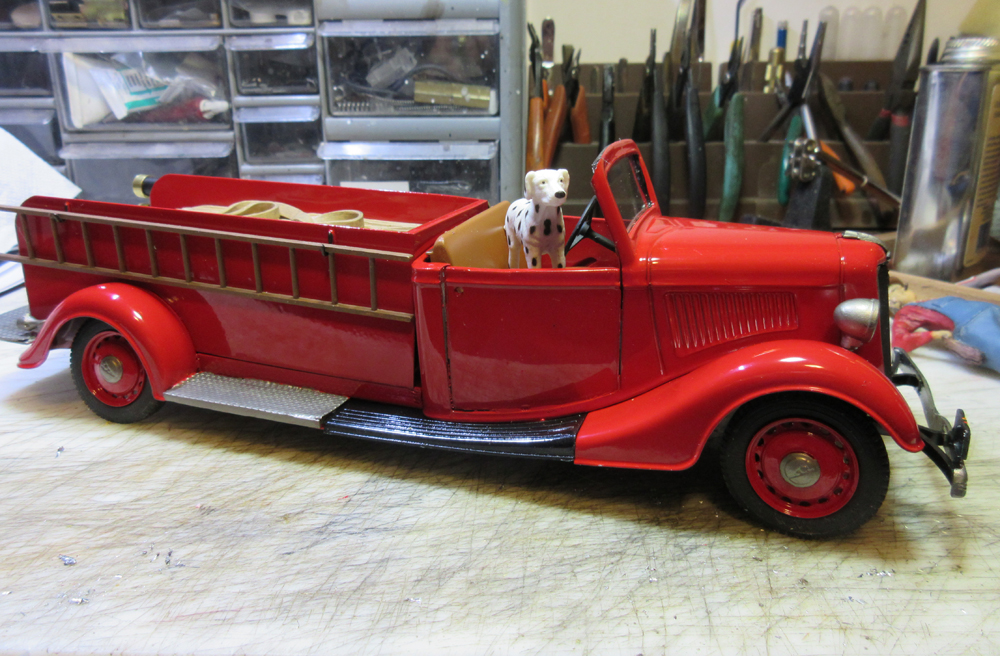
Sometime last year I took a serious look at one of my vehicles. I leave my vehicles out all year, and the weather takes its toll. I could strip the pickup and repaint it, but I’m planning a firehouse in my town, so why not make a fire truck? The vehicle is a Solido 1:19 […]
Read More…
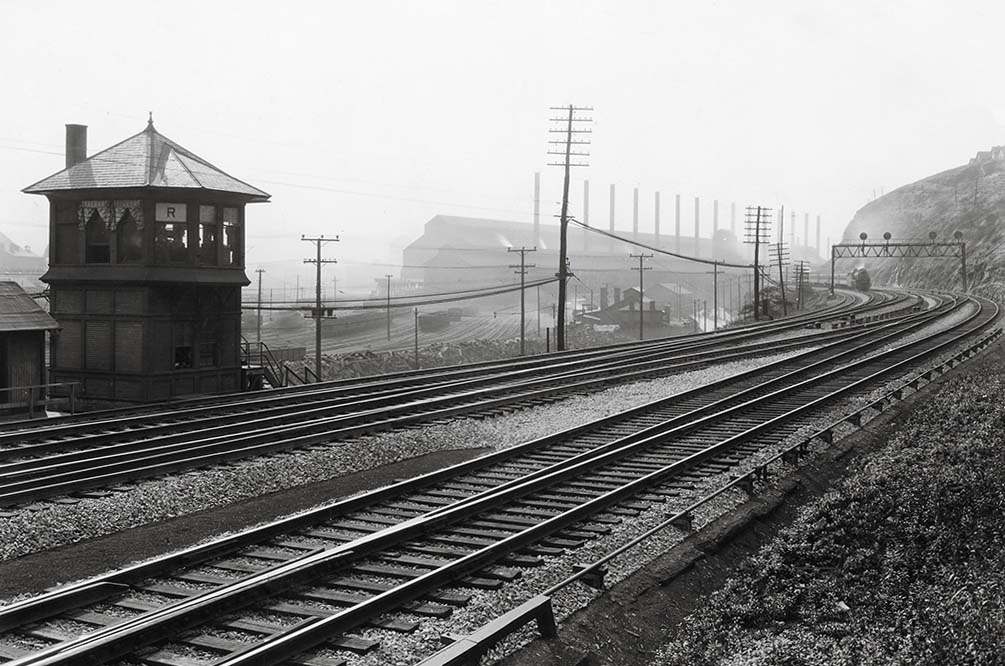
The Pennsylvania Railroad’s wide four-track main line was known as the “broad way,” as seen at Braddock, Pa., near Pittsburgh. The name eventually migrated to the road’s passenger fleet, giving rise to the famed Broadway Limited. Union Switch & Signal Co. photo […]
Read More…
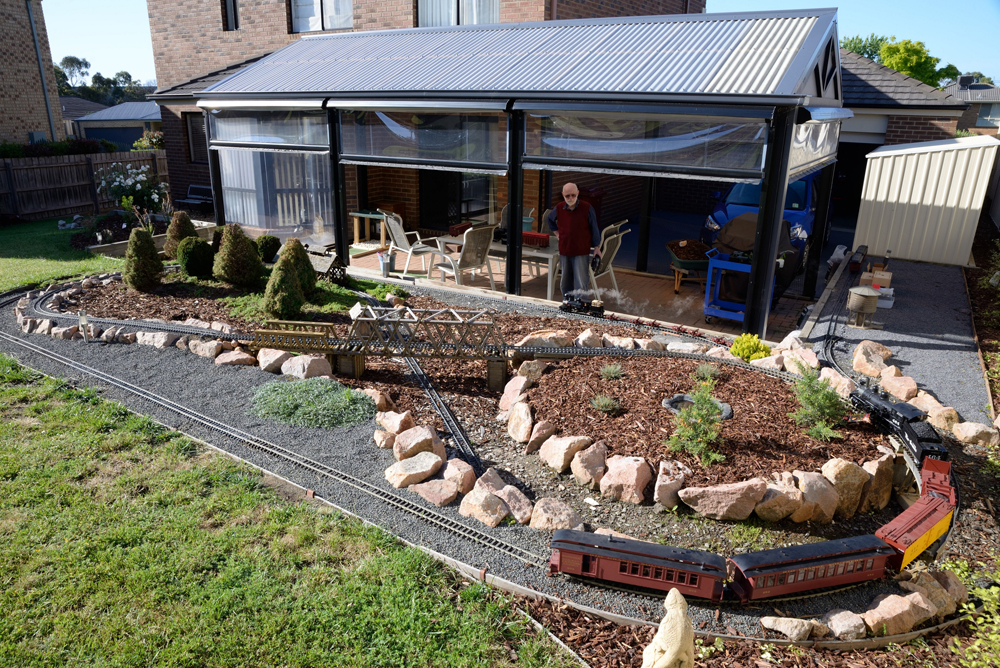
My garden railway is like a 4 x 8-foot layout, only it’s scaled up to around 12 x 32 feet and built outdoors. I’ve added a small garden retaining wall to raise the railway to knee height, which is comfortable for viewing and placing trains on the track. Originally, the patio had no roof or […]
Read More…
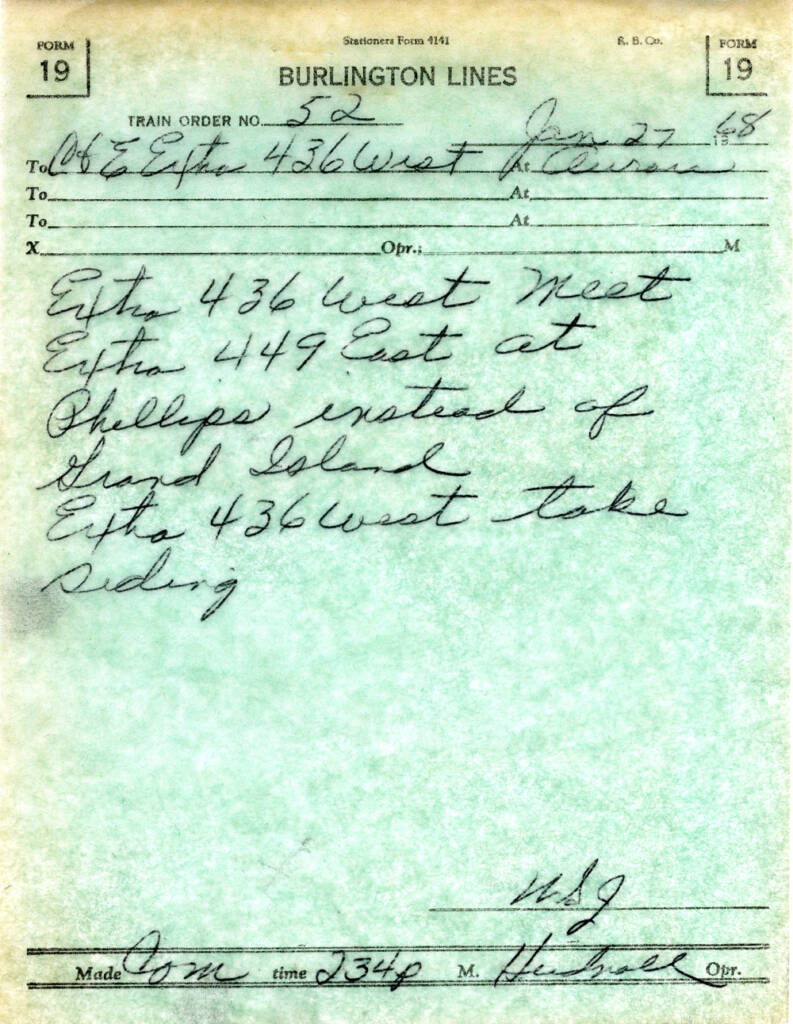
If you’ve read Model Railroader or many of our books and special issues, you’ve probably seen references to timetable-and-train-order operation, or TTTO for short. Employee timetables (ETT) that governed TTTO operation listed station names, mileposts, train numbers and classes, departure and arrival times, and operating instructions, among other items, to govern train movements. So why […]
Read More…
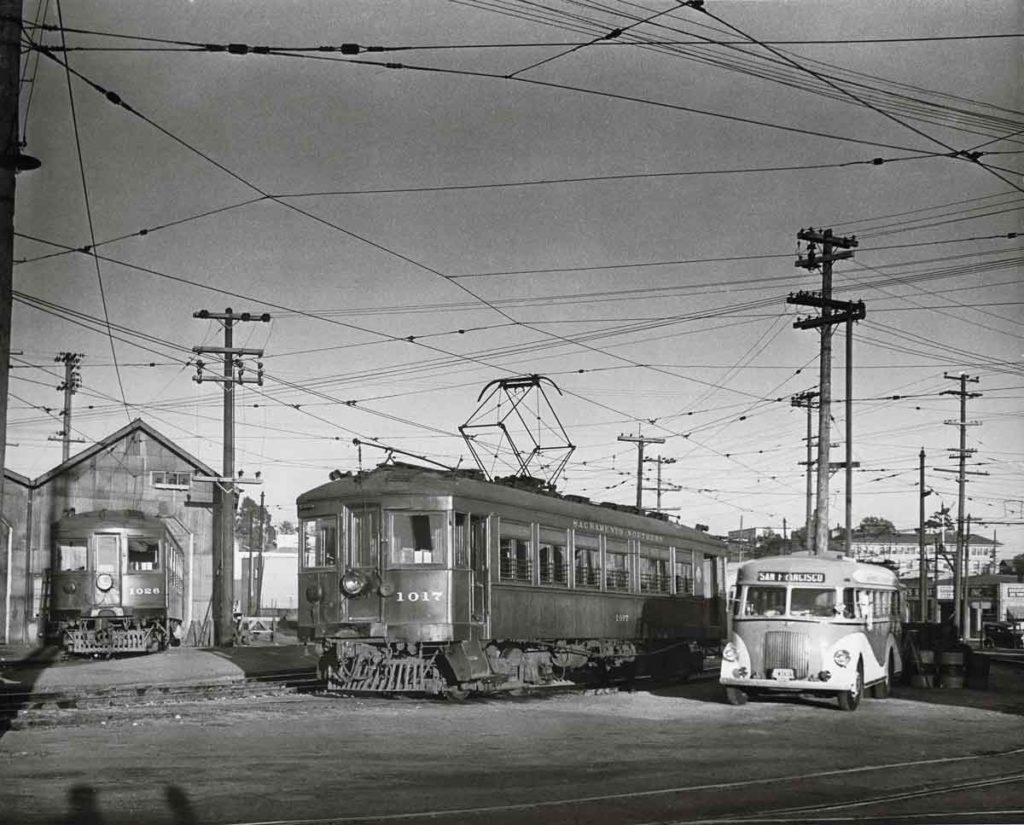
Two interurban cars and a bus stand at the Sacramento Northern’s ramshackle shop complex in Oakland in 1940. Linn H. Westcott photo […]
Read More…