
Modeler’s Spotlight Video for May 27, 2010 — Inside Cody’s Office
Modeler's Spotlight Video for May 27, 2010 -- Inside Cody's Office

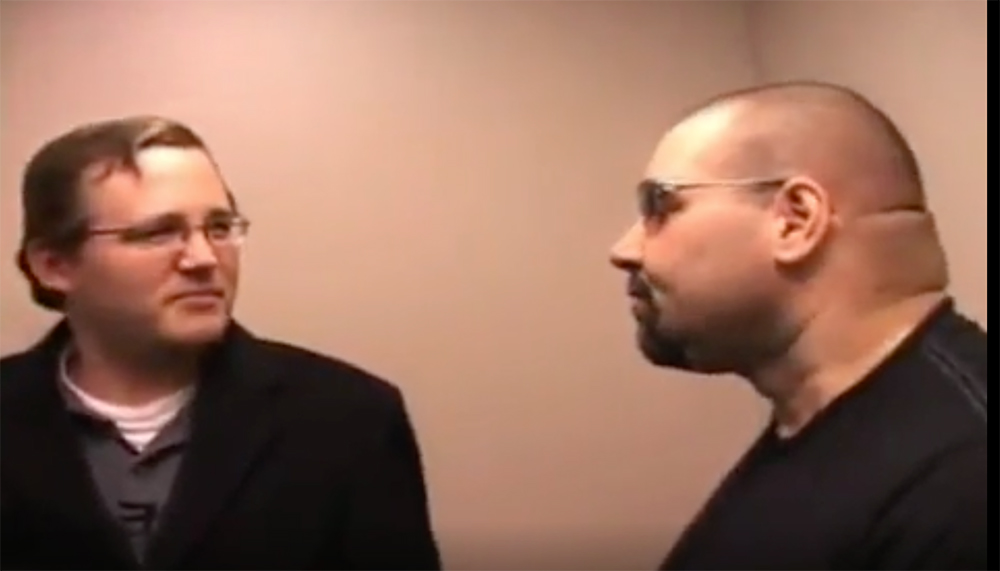
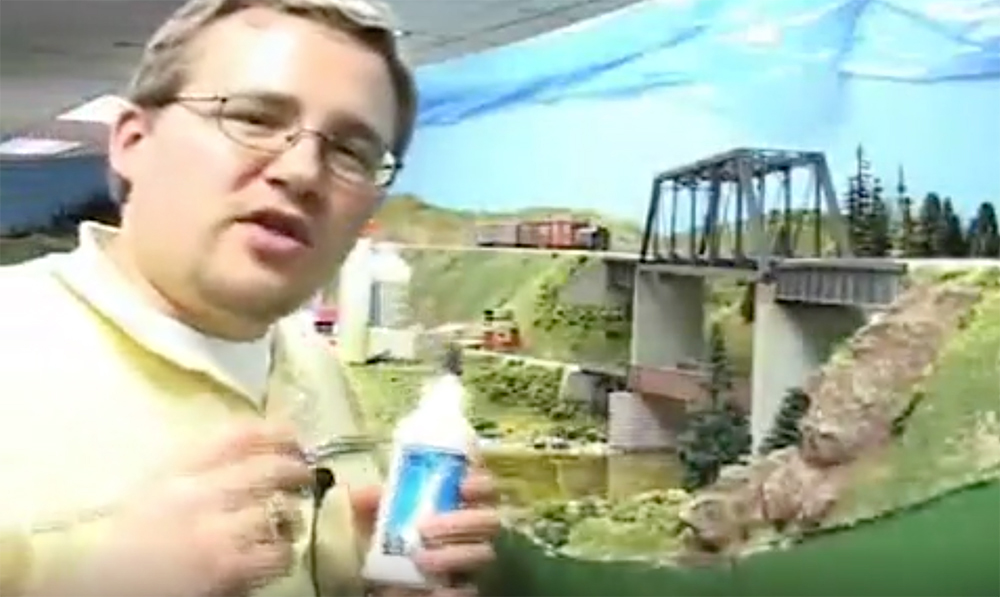
Having trouble viewing this video?   Please visit our Video FAQ page Learn an easy technique for adding ripple and waves effects to the rivers and creeks on your layout. Managing Editor David Popp shows you a river scene that he’s been detailing on the Milwaukee, Racine & Troy. Associate Editor Cody Grivno interviews Bob […]

Read More…

Maumee Route (Cleveland, Indianapolis, Cincinnati & St. Louis)

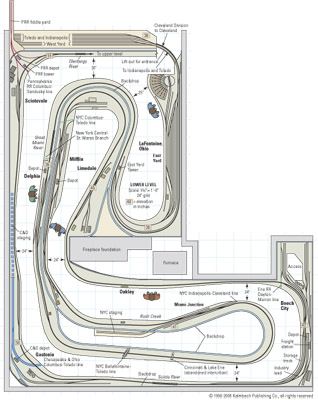
Name: Maumee Route (Cleveland, Indianapolis, Cincinnati & St. Louis) Layout owner: Bill Darnaby Scale: HO (1>87) Size: 35′-2″ x 42′-1″ Prototype: free-lance, based on Nickel Plate Road and Wabash practice Period: 1955 Style: walkaround, mulit-level Minimum radius: 42″ Minimum turnout: nos. 6 to 8 Maximum grade: 2 percent Originally appeared in the 1995 issue of […]

Read More…

Modeler’s Spotlight Video for May 13, 2010 — Inside Cody’s Office

Modeler's Spotlight Video for May 13, 2010 -- Inside Cody's Office

Having trouble viewing this video?   Please visit our Video FAQ page Watch the special 100th episode of Cody’s Office. You’ll see a selection of new model railroading products, including a demonstration of Broadway Limited Imports Paragon2 HO I1sa steam locomotive. This model features Digital Command Control (DCC) and sound. Cody will also show you […]

Read More…

Modeler’s Spotlight Video for May 13, 2010 — Inside Cody’s Office

Modeler's Spotlight Video for May 13, 2010 -- Inside Cody's Office

Having trouble viewing this video?   Please visit our Video FAQ page Watch the special 100th episode of Cody’s Office. You’ll see a selection of new model railroading products, including a demonstration of Broadway Limited Imports Paragon2 HO I1sa steam locomotive. This model features Digital Command Control (DCC) and sound. Cody will also show you […]

Read More…

Airlake Industrial Park

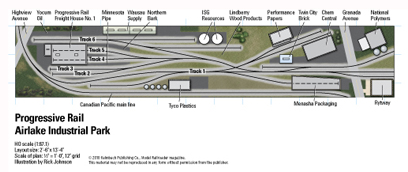
Name: Airlake Industrial Park Layout owner: Alan Saatkamp Scale: HO (1:87.1) Size: 3′-0″ x 13′-4″ Prototype: Progressive Rail Locale: Lakeville, Minn. Era: present day Style: portable walkaround Mainline run: 13 feet Minimum radius: 26″ Minimum turnout: no. 5 Originally appeared in the June 2010 issue of Model Railroader. Click on the image to download the […]

Read More…

New York Central Pittston Harbor Subdivision

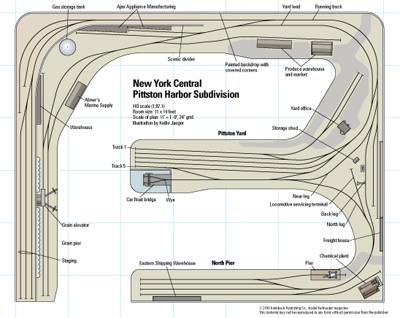
Name: New York Central PittstonHarbor Subdivision Layout owner: Jeff Kraker Scale: HO (1:87.1) Room size: 11 x 14 feet Prototype: New York Central Locale: New York City Era: 1950-1970 Style: walk-in Mainline run: 50 feet (on running track) Minimum radius: 18″ Maximum grade: none Originally appeared in the June 2010 issue of Model Railroader. Click […]

Read More…

San Juan Silverton RR

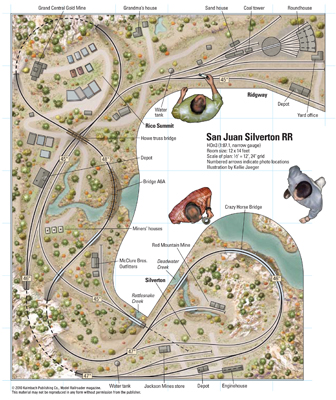
Name: San Juan Silverton RR Scale: HOn3 (1:87.1, 3-foot narrow gauge) Size: 12 x 14 feet Prototype: freelanced, inspired by Rio Grande Southern Locale: southwest Colorado Era: fall 1939 Style: walk-in Minimum radius: 24″ Minimum turnout: no. 6 Maximum grade: 4 percent Originally appeared in the June 2010 issue of Model Railroader. Click on the […]

Read More…

Suarez Southeastern RR

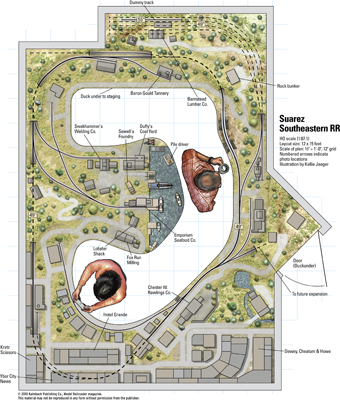
Name: Suarez Southeastern RR Layout owner: Mike Suarez Scale: HO (1:87.1) Size: 12 x 15 feet Theme: freelanced Locale: eastern United States Era: 1920s to ’30s Style: around the walls Mainline run: 50 feet Minimum radius: 22″ Minimum turnout: no. 6 Maximum grade: none Originally appeared in the June 2010 issue of Model Railroader. Click […]

Read More…

How to build a paper structure

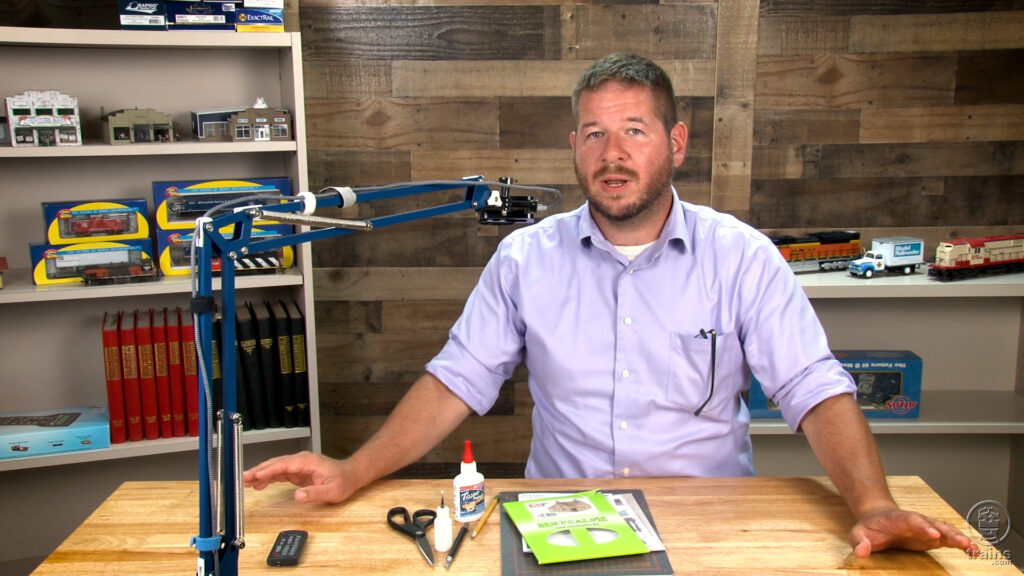
While David and Co. continue construction on the N scale project layout, Steve Sweeney shares his techniques for assembling a cardstock house kit. Follow along, as Steve walks and talks you through all of the essential tools, supplies, and processes — start to finish!   […]

Read More…

How to build a paper structure

While David and Co. continue construction on the N scale project layout, Steve Sweeney shares his techniques for assembling a cardstock house kit. Follow along, as Steve walks and talks you through all of the essential tools, supplies, and processes — start to finish!   […]

Read More…