





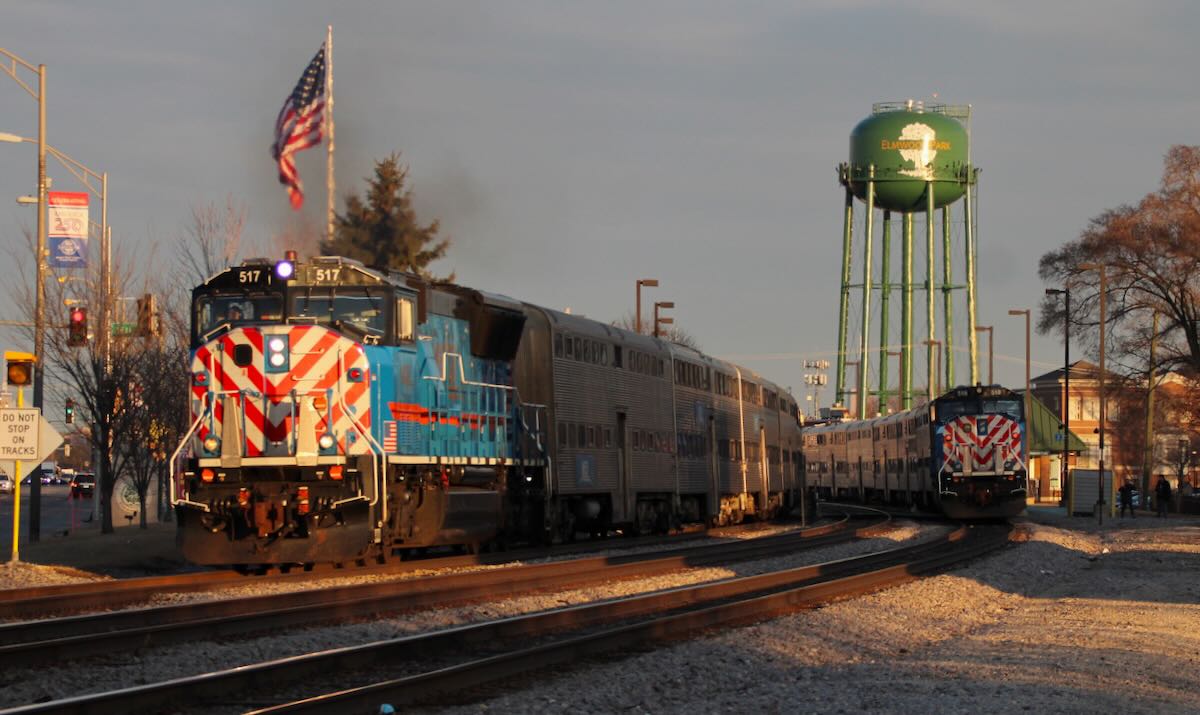
WASHINGTON — A new independent economic study assessing the American Public Transportation Association’s recommendations for public transportation funding estimates that every $1 billion in such funding generates $5 billion in long-term economic value.
 This week’s report, Economic Impact of Public Transportation Investment, also says the funding supports tens of thousands of jobs nationwide.
In February, APTA called for $138 billion for public transit and $130 billion for passenger rail in its recommendations for the new surface transportation authorization due from Congress this year. The new report, prepared for APTA by consulting firm EBP, that funding would lead to an additional $140 billion in annual impacts for the U.S. economic, through job creation, increased tax revenue, improved access to jobs and healthcare, reduced congestion, and lower household transportation costs.
“Public transportation is one of the smartest investments we can make in America’s economic future,” APTA CEO Paul P. Skoutelas said in a press release. “A $1 billion investment doesn’t just move people. It moves our entire economy forward, creating tens of thousands of jobs and unlocking billions in economic opportunity.”
According to the report, each $1 billion in transit spending leads to $1.4 billion in direct spending from construction, manufacturing and operations, and $3.6 billion in long term beneifts; leads to creation of 41,400 jobs and $3.1 billion in worker income, and generates $251 million in federal, state, and local tax revenues.
— To report news or errors, contact trainsnewswire@firecrown.com.



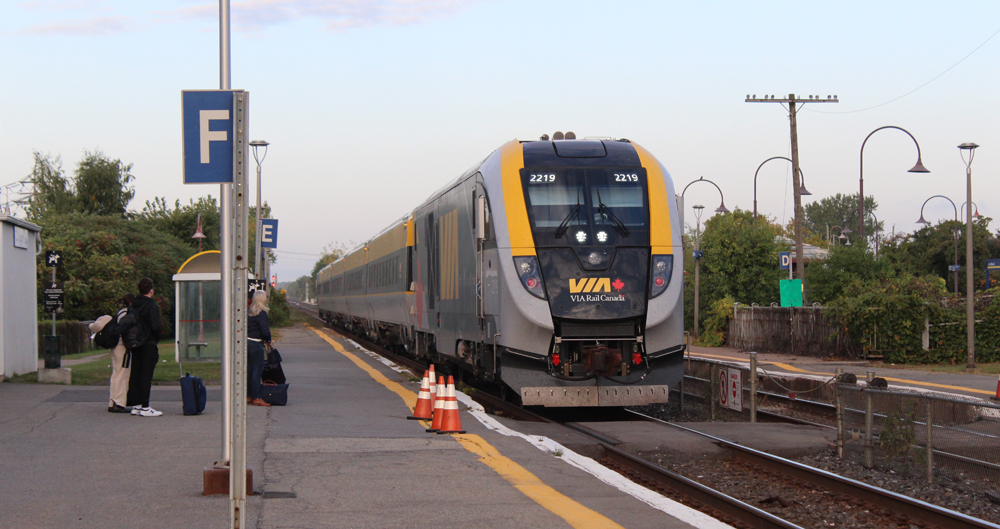
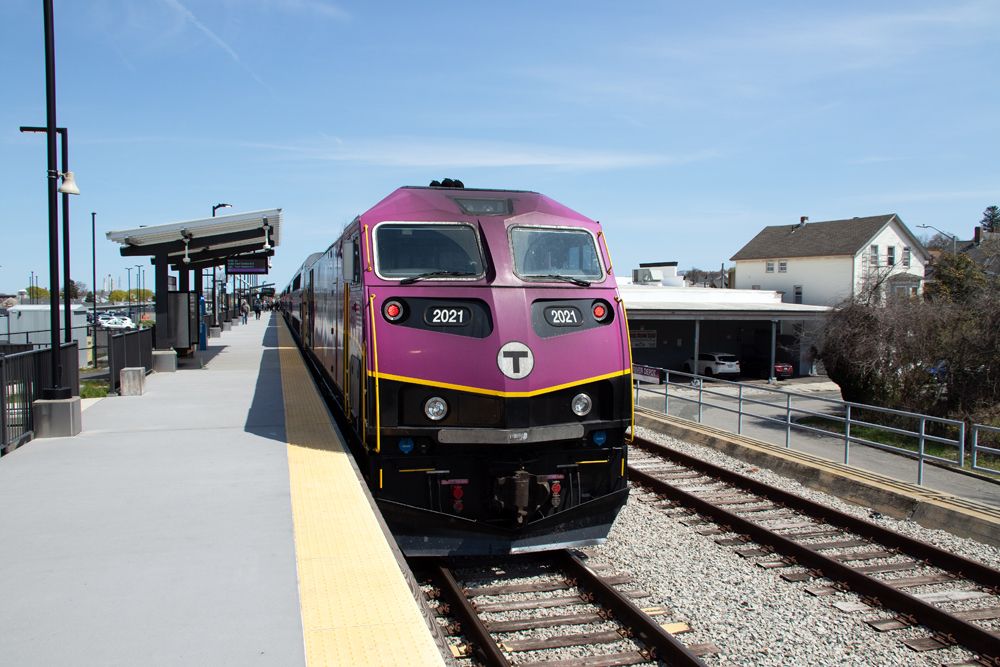

Off topic. Another study would be finding what an investment for elimination of as many slow sections as possible for all freight and passenger routes. That way all IM trains could go 70 MPH and passenger trains 90 – 110 MPH.
Just think of the possible financial benefits.
What is “a new independent economic study” if it is commissioned by an interest group.
There is nothing as fishy as a “cost-benefit” analysis. There are simply too many variables on either side of the equation and too much room for manipulation.
Public officials who opt for or against any given transit system will have to form their position without a ginned-up set of dodgy statistics. They will need to make up their own minds on the basis of what they see before them.