





Comings and goings are a natural part of any industry. People retire, move to better jobs, or are told their services are no longer needed.
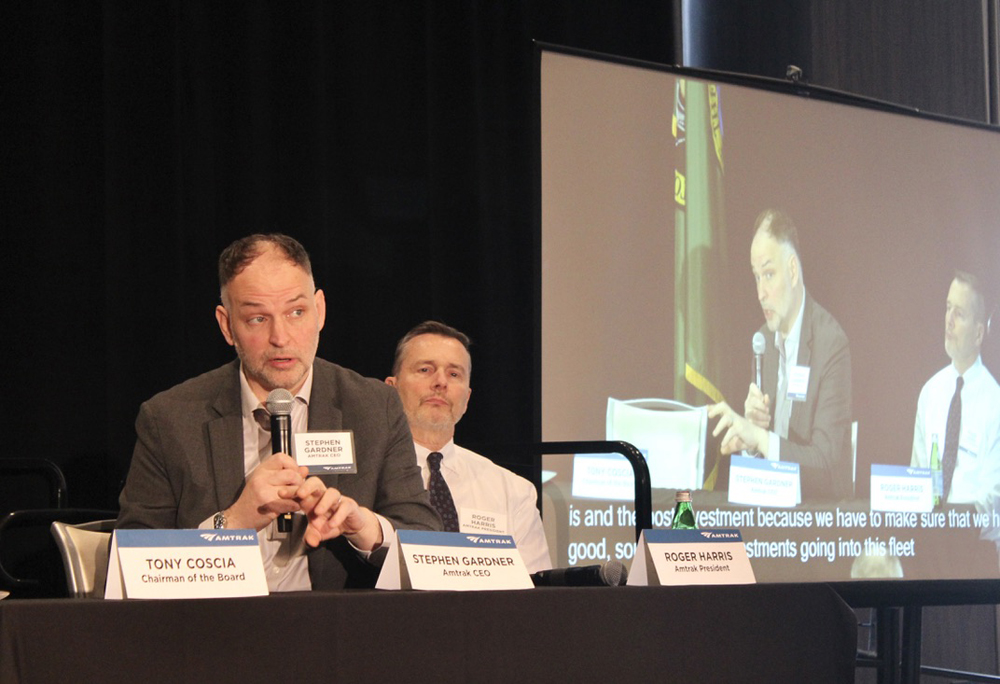
But three moves in the latter category particularly raised eyebrows in railroading in 2025: The resignation of Amtrak CEO Stephen Gardner, the firing of Surface Transportation Board member Robert Primus, and the sudden replacement of CSX CEO Joe Hinrichs.
The Trump administration played a role in the first two of those moves, reflective of its much larger thumbprint on the industry, particularly in matters of grants and public transit.
Gardner’s exit
While Gardner’s March 19 departure came via resignation, the Reuters news service said it was requested by the Trump administration, according to a White House official. And Gardner’s statement on the Amtrak website — “I am stepping down as CEO to ensure that Amtrak continues to enjoy the full faith and confidence of this administration” — made it clear there was friction. A statement from Amtrak’s board thanked Gardner for his service, and said, “We look forward to working with President Trump and Secretary [of Transportation Sean] Duffy as we build the world-class rail system this country deserves.”
At the time, the administration’s funding plans for the company were uncertain; it would ultimately propose a budget for fiscal 2026 that maintained fiscal 2025 spending, although shifting some money from the Northeast Corridor to Amtrak’s National Network. Amtrak would mirror the administration request with its own. That budget hasn’t been enacted, as current funding is through a continuing resolution that ends in January, the move that ended the record 43-day shutdown of the federal government.
Gardner had been with Amtrak since 2009, becoming its president in 2020 and CEO in January 2022. Before that, he had served in several positions on Capitol Hill. No new CEO was named. President Roger Harris has led the company since Gardner’s departure.
Primus’ ouster
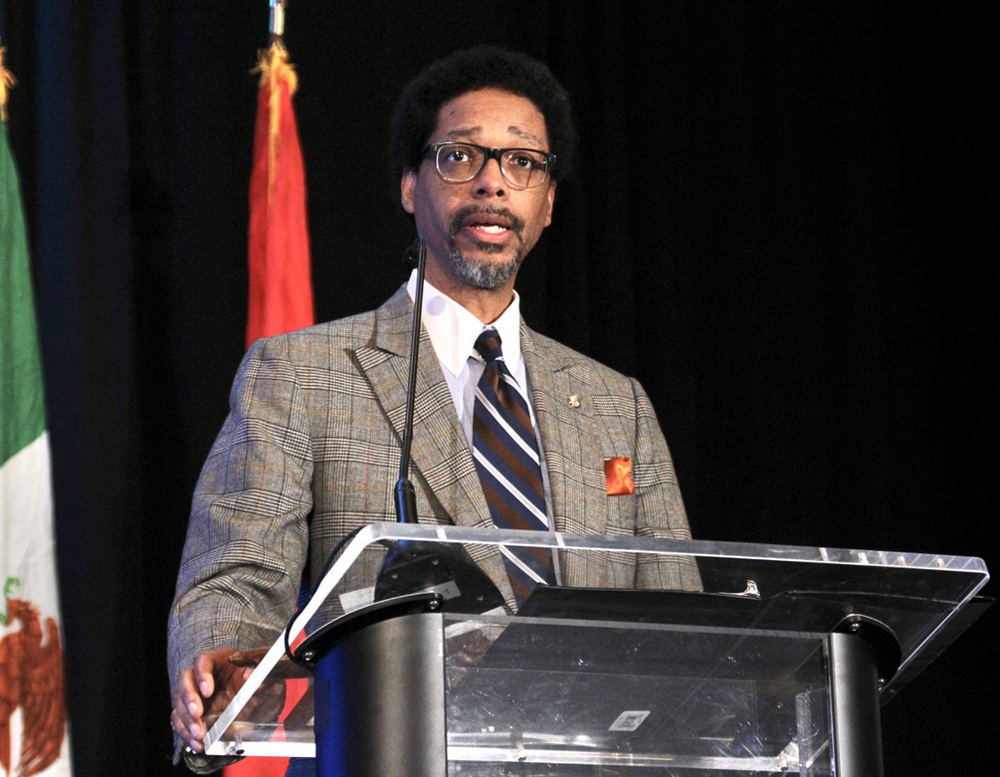
More unexpected was the Aug. 27 firing of Primus, a 2020 Trump appointee who was the lone STB member to vote against the Canadian Pacific-Kansas City Southern merger. His departure ended a 2-2 split among Democrats and Republicans on the board, currently at three members pending the confirmation of nominee Richard Kloster.
The move was in keeping with other Trump firings of appointees of independent government agencies; he has also fired Democrats on the Federal Trade Commission, Equal Employment Opportunity Commission, Bureau of Labor Statistics, Federal Reserve, and National Transportation Safety Board. By law, STB members serve fixed terms and may only be removed by the president “for inefficiency, neglect of duty, or malfeasance in office.” But the White House said only that Primus was not aligned with the president’s agenda.
In a lawsuit filed Oct. 1, Primus said the firing was unlawful. In a statement, he said he was fighting the firing “for the right of every Board Member, present and future, Republican or Democrat, to serve … without the threat of retaliation or removal for discharging their duties free from political or partisan influence.” Primus and the fired NTSB member, Alvin Brown, subsequently added claims of racial discrimination to their lawsuits. Both men are Black.
The administration has yet to nominate a replacement for Primus; Kloster was nominated to fill the seat vacated by the retirement of former chairman Martin Oberman.
The first court case regarding a similar firing has reached the Supreme Court, after the government appealed a lower-court decision that found the firing of Federal Trade Commissioner Rebecca Slaughter to be unlawful. Justices allowed Slaughter to be removed from office while the case continues, considered by court watchers as a sign the administration is likely to win the case.
Hinrichs’ replacement
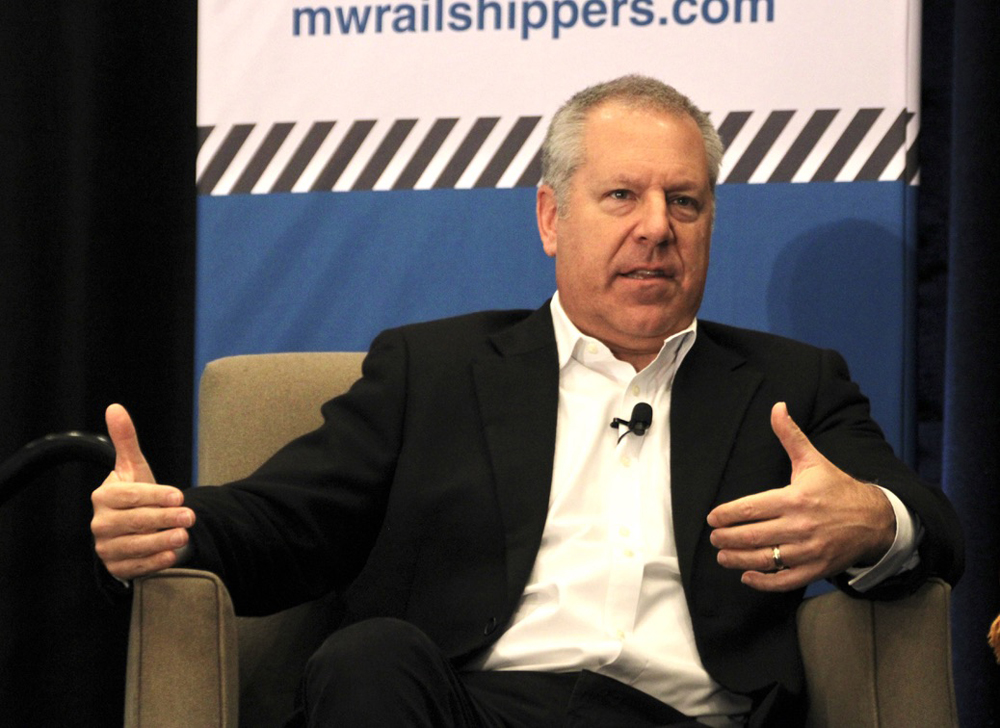
Hinrichs’ unexpected exit on Sept. 29 came little more than three years after he became CSX CEO after 30 years in the auto industry, and just three days after the railroad released a video celebrating his time in charge.
Hinrichs had been praised for improving labor relations and had the railroad on pace to meet financial targets under a three-year plan, but had been under fire from activist investor Ancora Holdings. Ancora, which had previously targeted Norfolk Southern, had called for Hinrichs’ replacement because of CSX’s stockholder returns, a failure to pursue a merger while Union Pacific and Norfolk Southern were in talks, and criticism of the executive team assembled by Hinrichs.
Ancora praised the replacement of Hinrichs with Steve Angel, the 70-year-old former CEO of chemical company Linde plc. Angel had previously been CEO of industrial gases company Praxair, leading it into a merger with Linde before becoming head of the combined company. Wall Street generally embraced the change, with CSX stock jumping by 5% the day it was announced.
Hinrichs, in a farewell message to CSX employees, said he was proud that “during my tenure we were able to lead an effort to focus on improving the employee experience and customer service while leveraging a strong operating model to deliver shareholder returns.”
Angel, in his first earnings call as CEO in mid-October, said he would focus on making the railroad the best in its class while waiting for the right merger deal to come along. As the year ended, he oversaw wide-ranging cost-cutting moves, including shutting down the CSX corporate jet operation, layoffs, and cuts to management benefits and travel.
— To report news or errors, contact trainsnewswire@firecrown.com.
Previous Trains.com coverage
Amtrak CEO Gardner resigns, March 19
Trump fires Surface Transportation Board member Primus, Aug. 28
Primus challenges his dismissal from the Surface Transportation Board, Oct. 1
Primus alleges race played role in his dismissal from the STB, Dec. 4
CSX names new chief executive, Sept. 29
Hinrichs bids farewell to CSX employees, Sept. 29
New CSX CEO: Focus first on running the railroad, then on potential merger deals, Oct. 16







RE: The men exiting:
(1) Primus. Sickening and destructive that Trump fired Primus …… and BTW I’m a Republican.
(2) Gardner. Have no idea why he was asked to leave and don’t know if Harris is any better or any worse. I’d like to hear other peoples’ opinions on this as I have none. I do know that Gardner was not very popular among people posting on these pages, but I doubt that had anything to do with Trump firing him.
(3) Hinrichs. Getting fired was his reward for doing a good job.