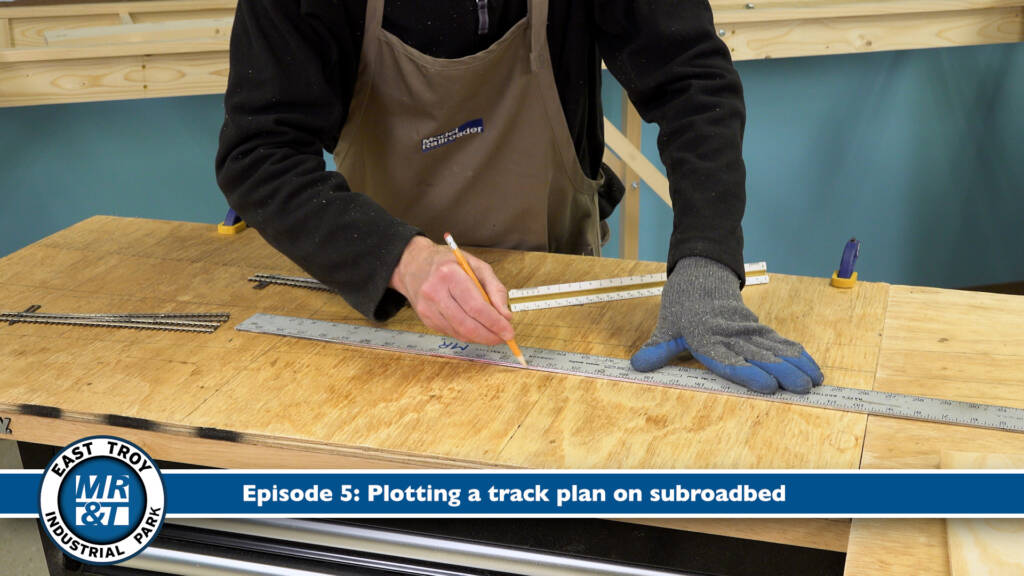
In this episode, David demonstrates a simple process for plotting the track plan for the HO scale East Troy Industrial Park (ETIP) model railroad onto the essential layer of subroadbed material. After measuring twice, he then shows the next steps to carefully cutting out the parts and pieces needed to assemble a foundation for layout […]
Read More…
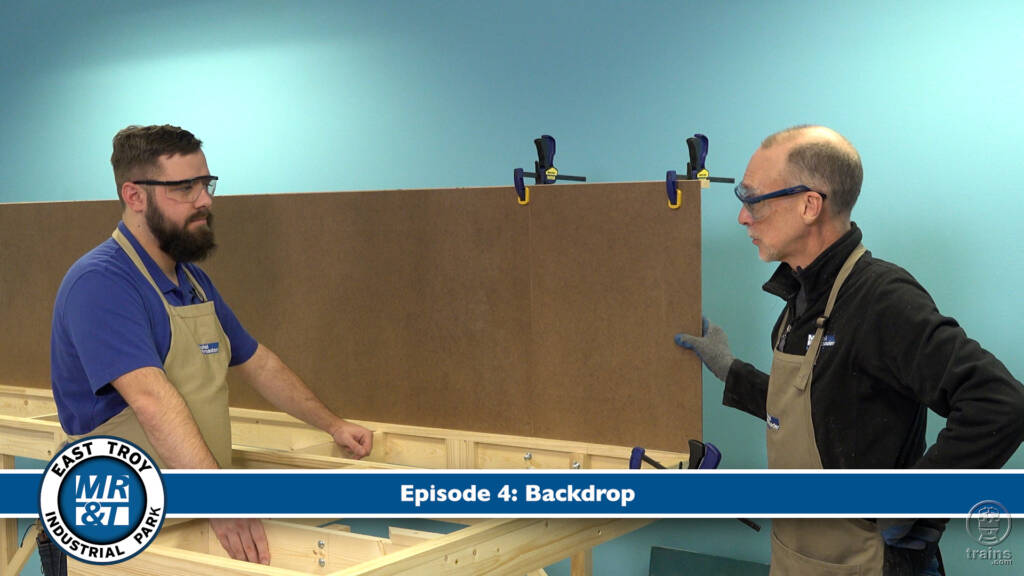
To make their future construction efforts a bit easier, David and Bryson work to install the backdrop for the East Troy Industrial Park (ETIP) model railroad now! Don’t miss their tips and tricks for keeping this essential, scene-setting hardboard component in place along the back of the entire layout. Be sure to keep up with […]
Read More…
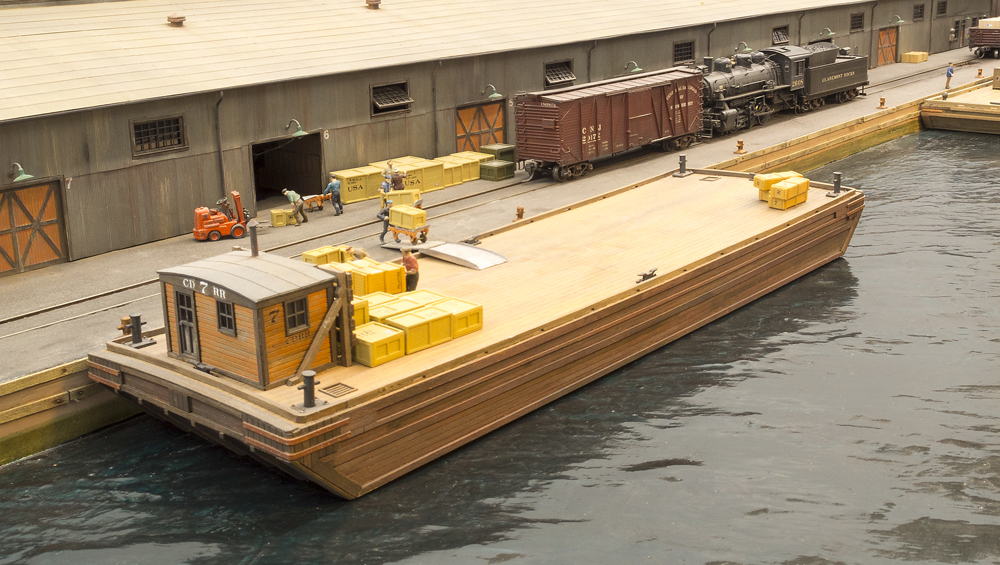
If you’re a fan of both boats and trains, building a model railroad involving both can be a rewarding experience. A rail-marine layout allows you to practice and utilize a variety of techniques and skills, including making water and building unconventional vehicles like car floats and cranes. They also don’t have to take up a […]
Read More…
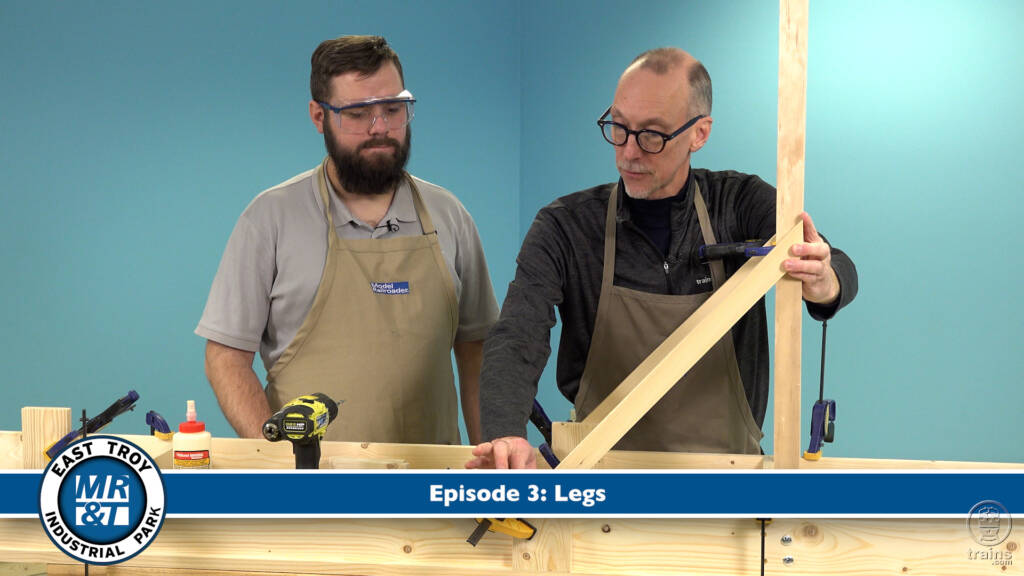
Host David Popp and Bryson Sleppy work to raise the wood framework of their East Troy Industrial Park (ETIP) model railroad off the ground. Watch as they share how to plan, construct, and install the legs for a nearly any layout. And don’t miss the simple, yet extraordinarily helpful insights the crew shares in Model […]
Read More…
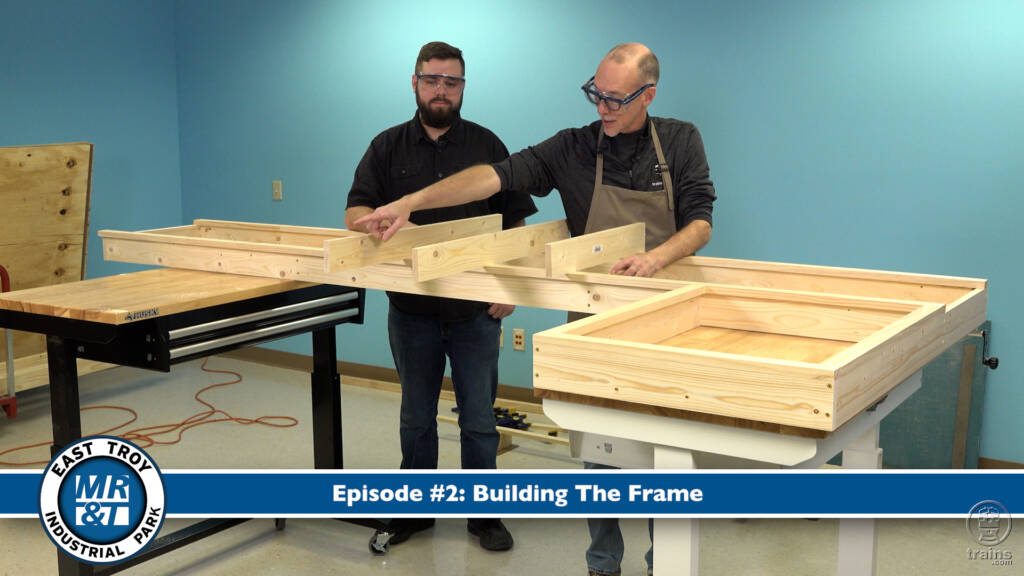
With all the same enthusiasm and expertise demonstrated in previous Model Railroader Project Layout efforts, host David Popp and Bryson Sleppy begin constructing the East Troy Industrial Park (ETIP) model railroad! While it will be just a small semblance of the former Milwaukee, Racine, & Troy HO scale (1:87.1) layout, the all-new ETIP promises to […]
Read More…
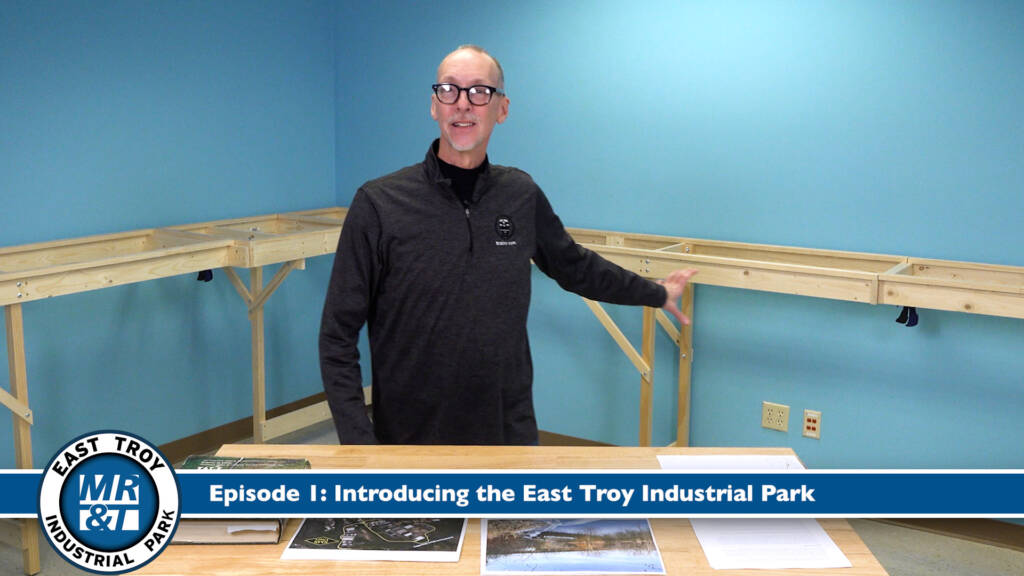
Trains.com host David Popp invites you along for this initial overview of Model Railroader magazine’s emerging HO scale (1:87.1) project layout, the East Troy Industrial Park Railroad! To get things started, David shares how 1:1 scale operations of a Class III railroad (as featured in the Trains.com Video Series “Taking Care of Business: SMS Rail […]
Read More…
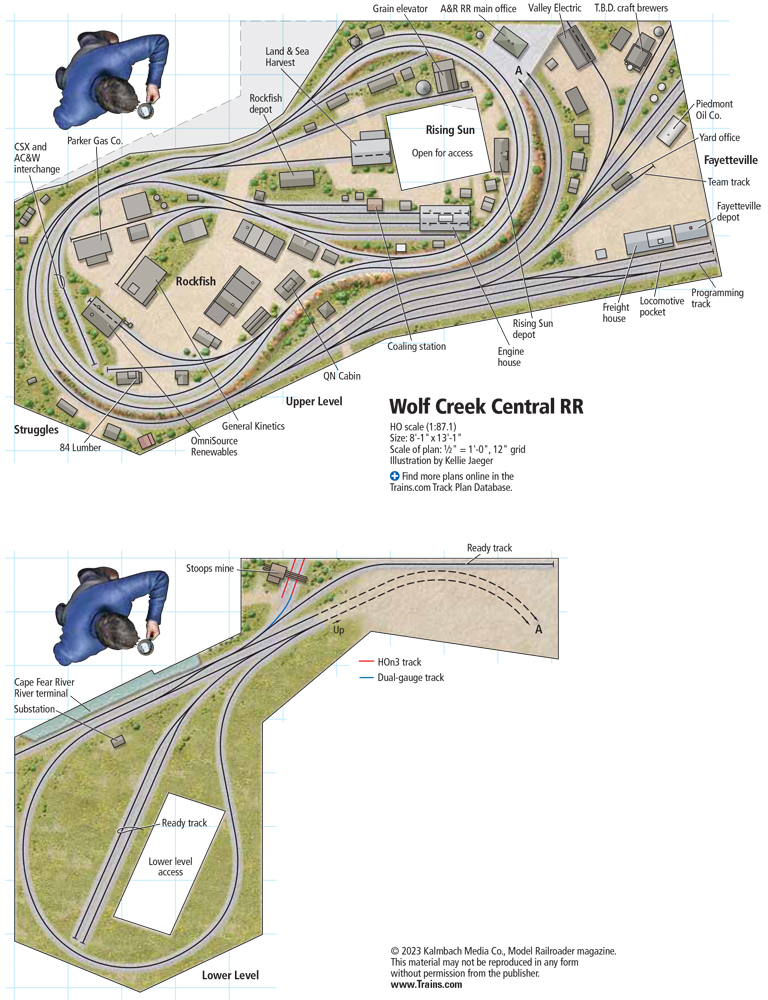
Facts & features Name: Wolf Creek Central RRScale: HO (1:87.1)Size: 8′-1″ x 13′-1″ Prototype: freelancedLocale: southeast North CarolinaEra: 1990sStyle: peninsulaMainline run: 81 feetMinimum radius: 24″Minimum turnout: no. 4Maximum grade: 2.7%Benchwork: L-girderHeight: 48″Roadbed: HomasoteTrack: code 70, 83, and 100 flextrackScenery: Woodland Scenics ground foamBackdrop: Painted tempered hardboardControl: Digitrax DB150 DCC Download a PDF of this […]
Read More…
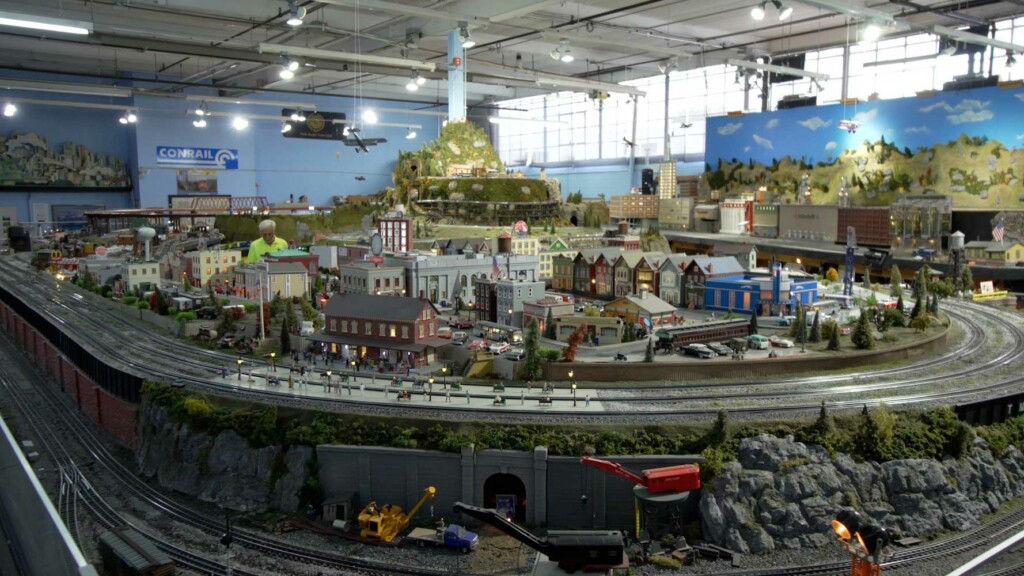
The Train Masters of Babylon sounds exotic, but the reality is it’s just a great O gauge club layout in New York. Highly detailed and encompassing more than 2,400 square feet, this 41 x 60 display showcases the railroads of the region. Read more in the July-August 2023 issue. […]
Read More…
The Train Masters of Babylon sounds exotic, but the reality is it’s just a great O gauge club layout in New York. Highly detailed and encompassing more than 2,400 square feet, this 41 x 60 display showcases the railroads of the region. Read more in the July-August 2023 issue. […]
Read More…
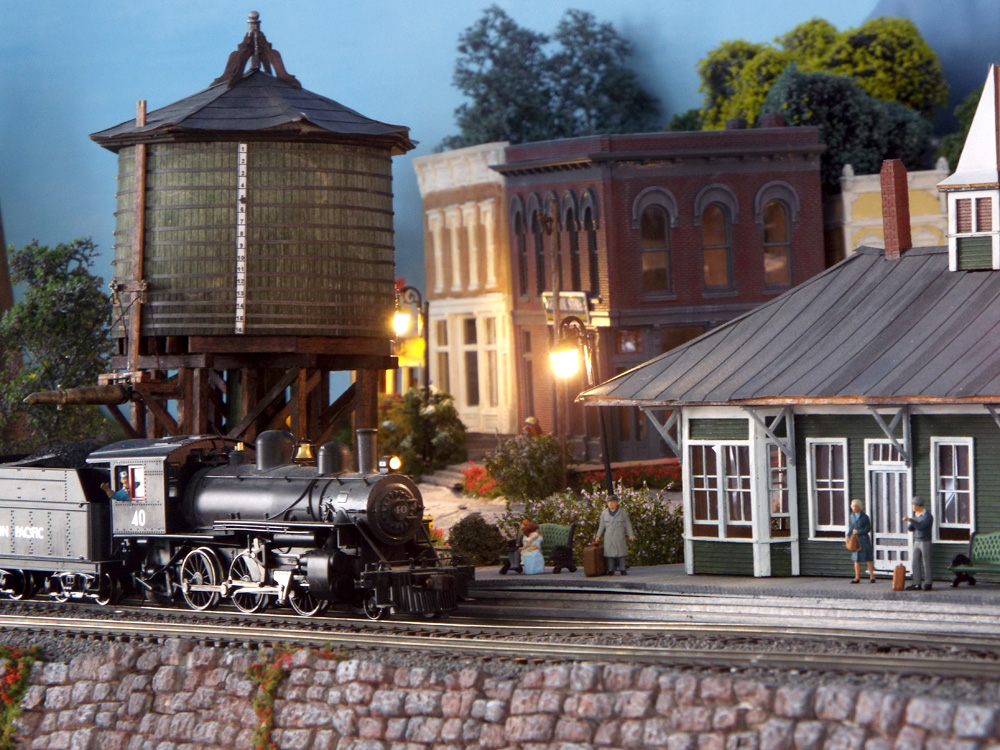
By Greg Privette Vacationing near the Olympic mountains of Washington state birthed a vision for my new HO scale layout. Logging was the industry and Shelton, Wash., was home to the last logging railroad in the United States. Old-growth timbers harvested near Camp 5 were delivered by the Simpson Railroad to Shelton starting around the […]
Read More…
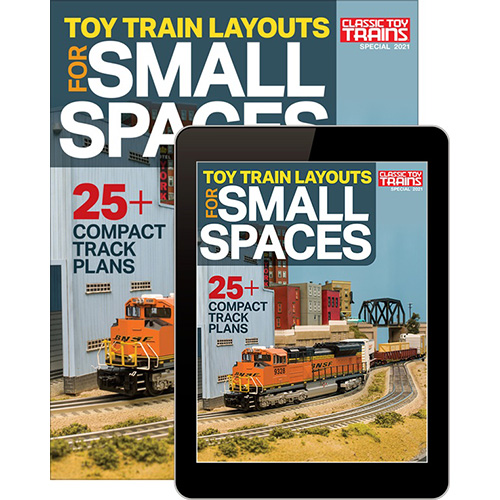
The latest special issue from Classic Toy Trains! If you’re looking to build your first toy train layout, or maybe just something more manageable, Toy Train Layouts for Small Spaces has you covered! It’s full of plans for layouts under 100 square feet that will fit in a spare room, including island and around the […]
Read More…
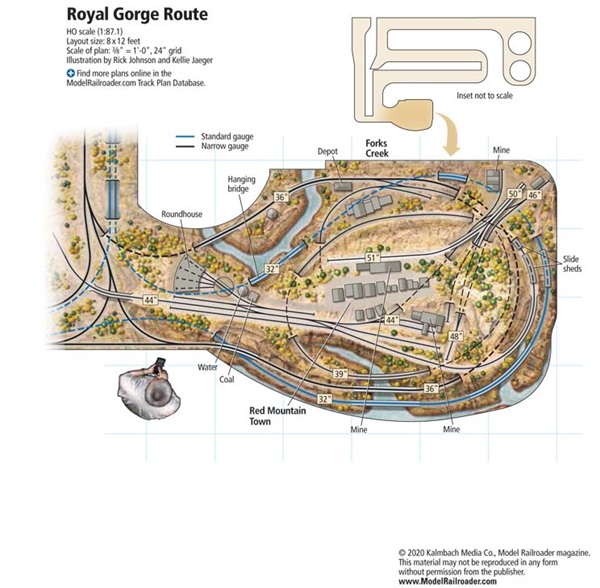
The layout at a glance Name: Royal Gorge Route Layout owner: Florida Scale Rails club Scale: HO (1:87.1) Size: 8 x 12 feet Prototype: Denver & Rio Grande Western (standard and HOn3 narrow gauge); Atchison, Topeka & Santa Fe; and Union Pacific Locale: Colorado Era: 1930s to ’60s Mainline run: 75 feet Minimum radius: 22″ […]
Read More…