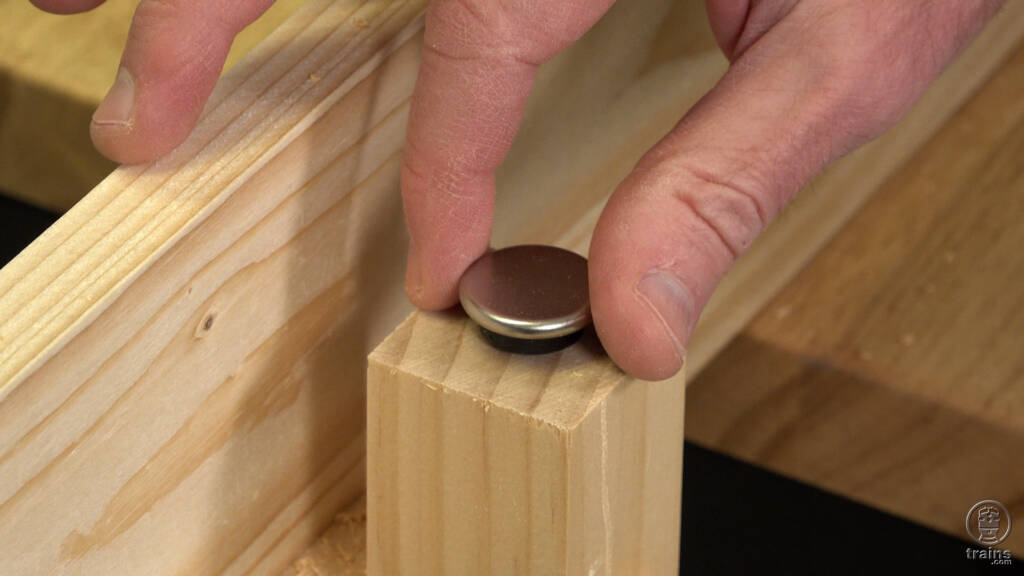
Adjusting leg height| In instances where the floor isn’t quite as flat as it looks, David Popp shows how to install adjustable feet or glides on layout legs…and then use them to level out any troublesome height discrepancies across your model railroad! You can also read about this technique in the Trains.com article, “How to […]
Read More…
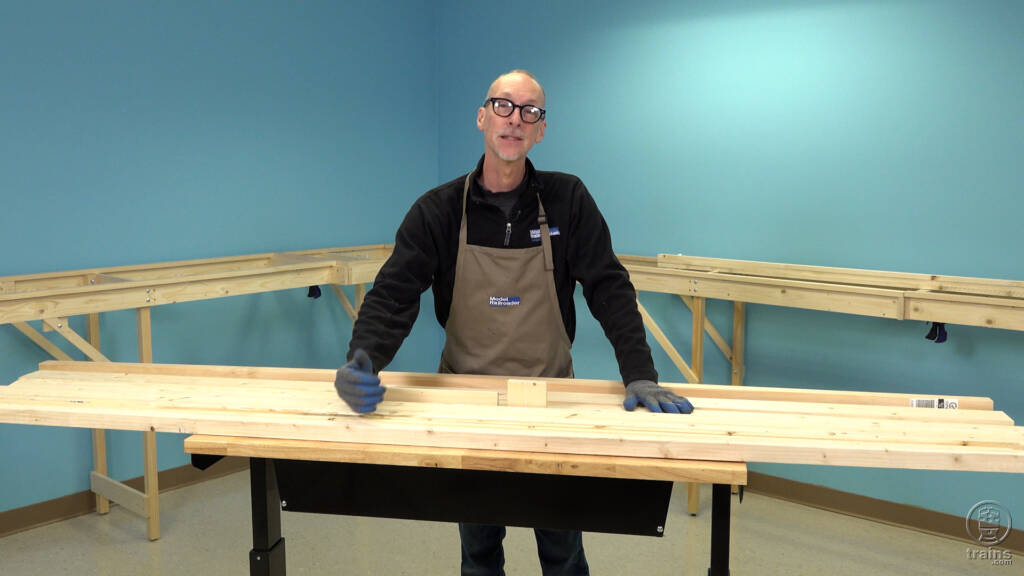
Selecting lumber for your layout| With a wide array of wood grades available at major home improvement centers, it’s important to know what works best verses what is the most economical. Making the wrong choice of lumber can lead to issues in benchwork construction…and even in trackwork, scenery, and layout operation too! No worries. David […]
Read More…
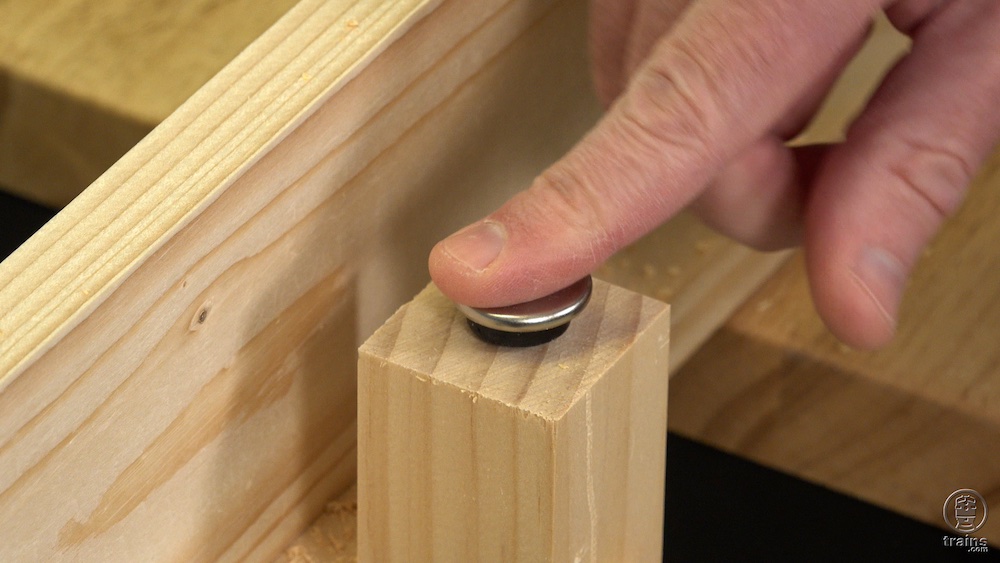
When building a model railroad, one feature you should consider is adjustable levelers at the foot of your benchwork’s legs. As the name suggests, these help level your layout when it’s standing on an uneven floor. Here’s how to install adjustable glides on benchwork legs. There are a couple of purchasing options for levelers. One […]
Read More…
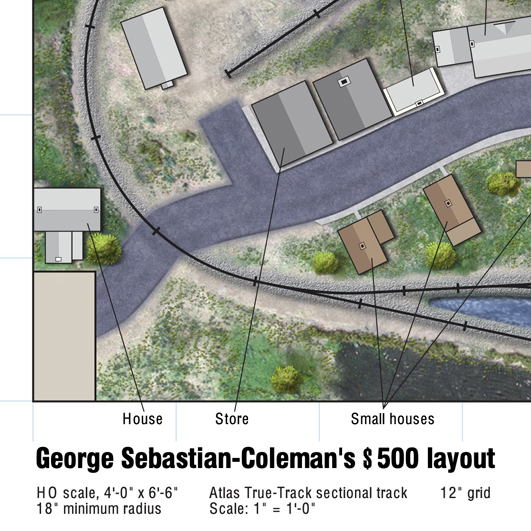
Q: I have two oval tracks, one inside the other, on a piece of 4 x 8 plywood. Just running a train around each track is boring. My funds are very limited. Do you have any suggestions as to how to make this more fun? — Elaine King A: Since space is at a premium […]
Read More…
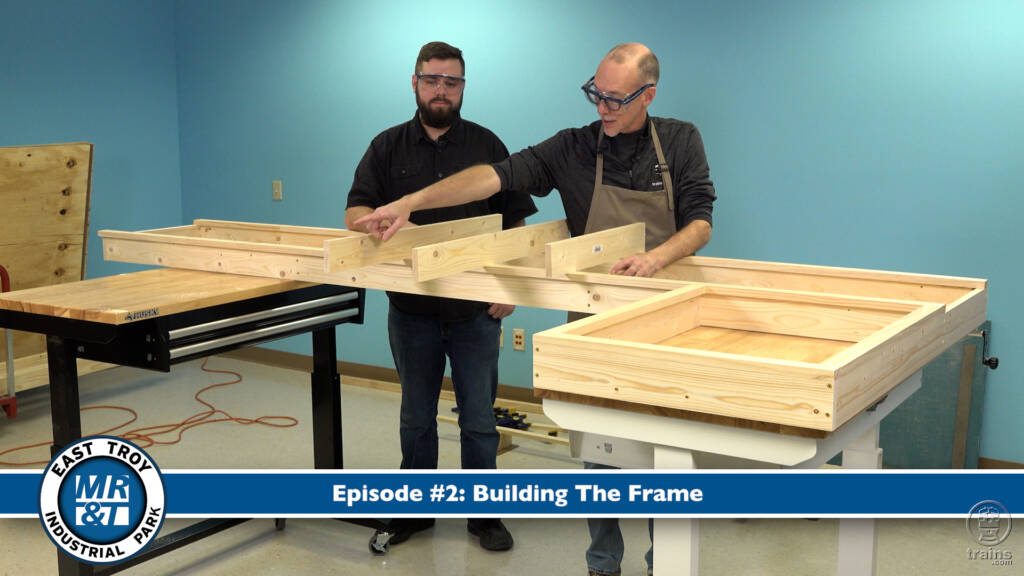
With all the same enthusiasm and expertise demonstrated in previous Model Railroader Project Layout efforts, host David Popp and Bryson Sleppy begin constructing the East Troy Industrial Park (ETIP) model railroad! While it will be just a small semblance of the former Milwaukee, Racine, & Troy HO scale (1:87.1) layout, the all-new ETIP promises to […]
Read More…
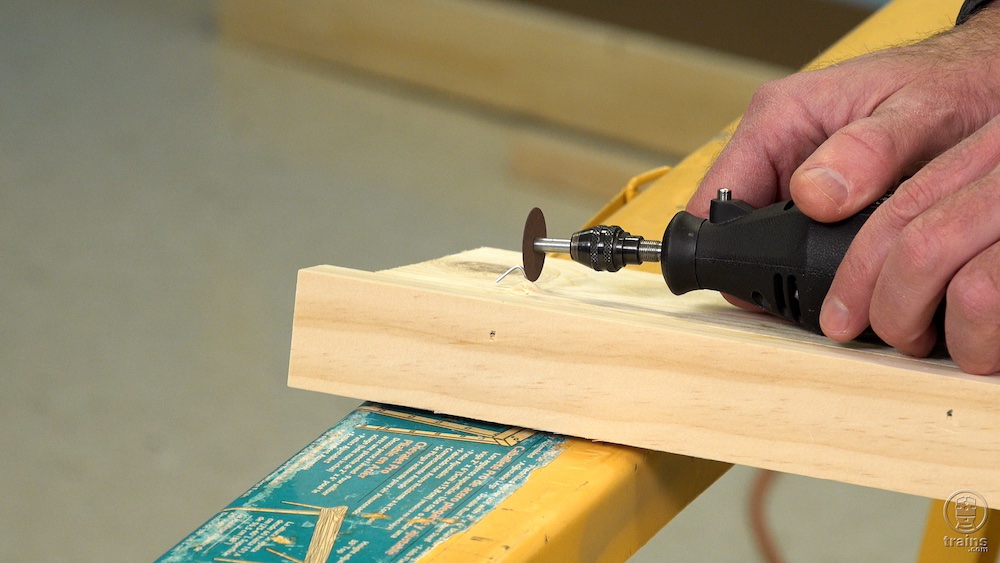
The rotary is like a Swiss Army Knife for model railroaders. It can be used for many different tasks, and cutting off nail heads is just one of them. This is when a nail is hammered into a board at an undesirable angle, but can’t be pulled out by pliers without further damaging the wood. […]
Read More…
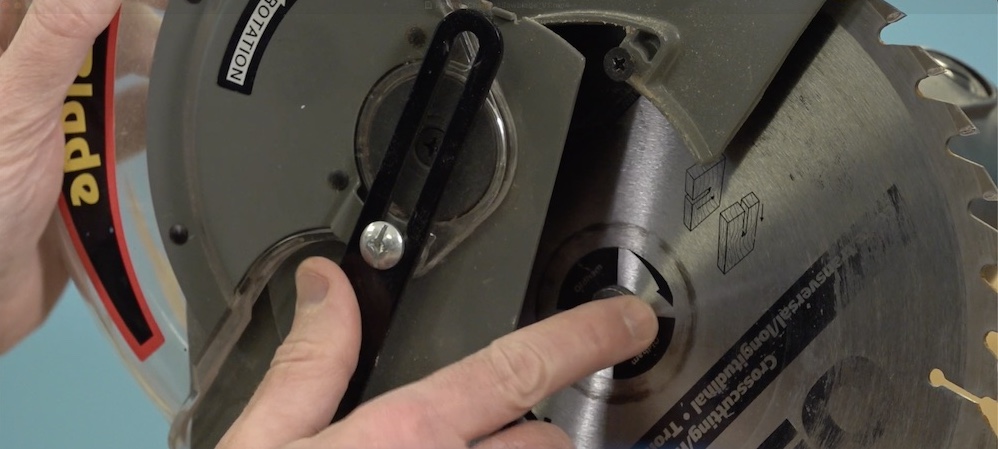
A circular saw is often the tool of choice when constructing the benchwork for your layout. But in order to get those clean cuts and smooth edges, it’s important to have a sharp blade. This will help avoid splintering in the wood. From prioritizing safety to performing essential maintenance, here’s how to replace a circular […]
Read More…
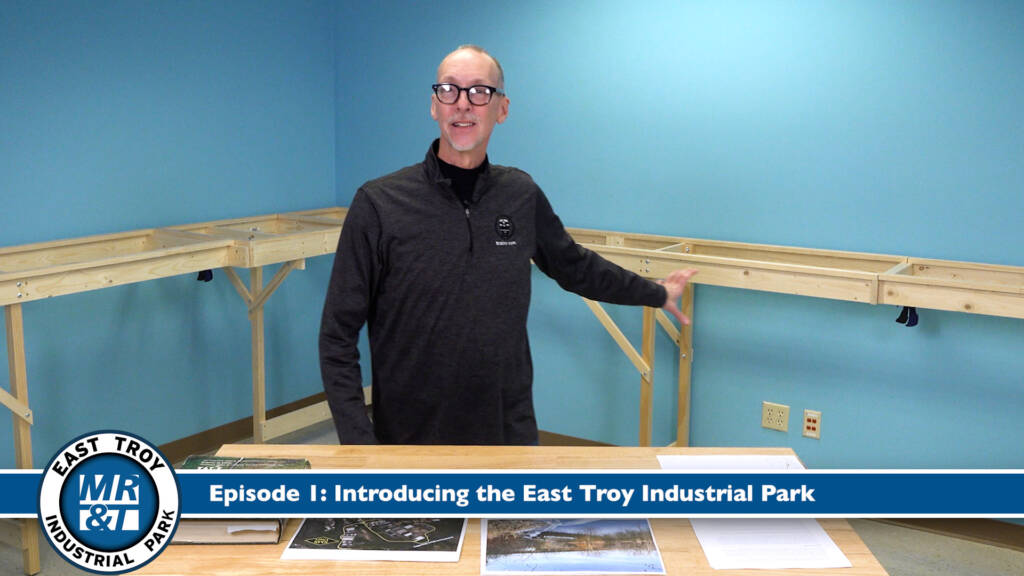
Trains.com host David Popp invites you along for this initial overview of Model Railroader magazine’s emerging HO scale (1:87.1) project layout, the East Troy Industrial Park Railroad! To get things started, David shares how 1:1 scale operations of a Class III railroad (as featured in the Trains.com Video Series “Taking Care of Business: SMS Rail […]
Read More…
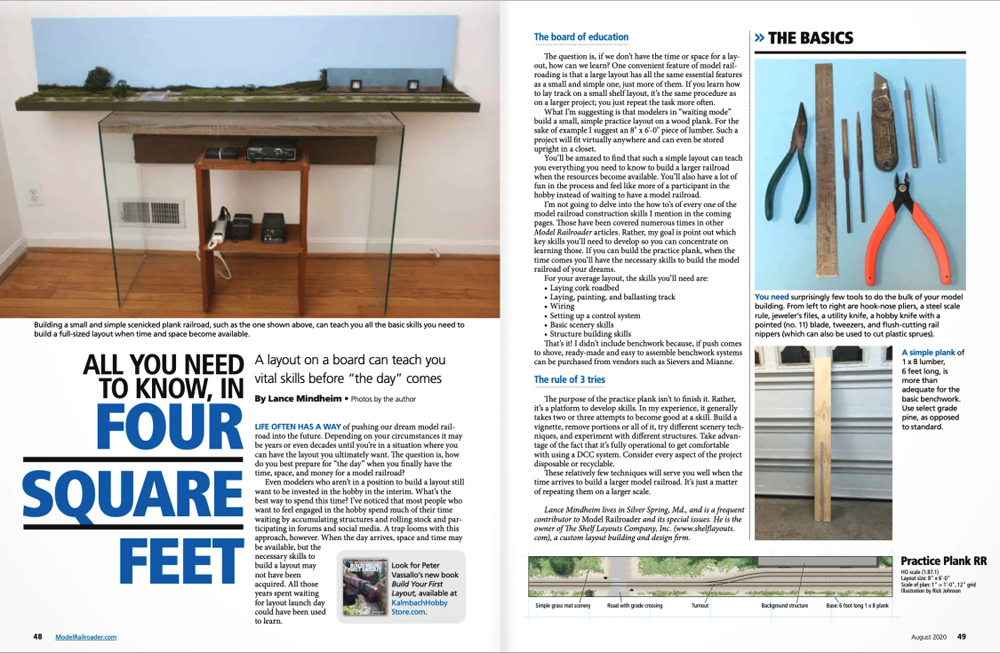
Q: I recall an article from a few years back that was about setting up a minimalist layout set on a bookshelf or board. It was intended as a quick and easy way to get started in the hobby, especially for those who don’t have a lot of space. I believe it used an NCE […]
Read More…

Though we consider model railroading a hobby, it’s also an investment. Consider the prices of model trains today. Depending on the scale, level of detail, and features, a ready-to-run freight car retails for anywhere from $20 to $150. Today’s injection-molded plastic steam and diesel locomotives are priced from $150 to $900. The numbers start to […]
Read More…
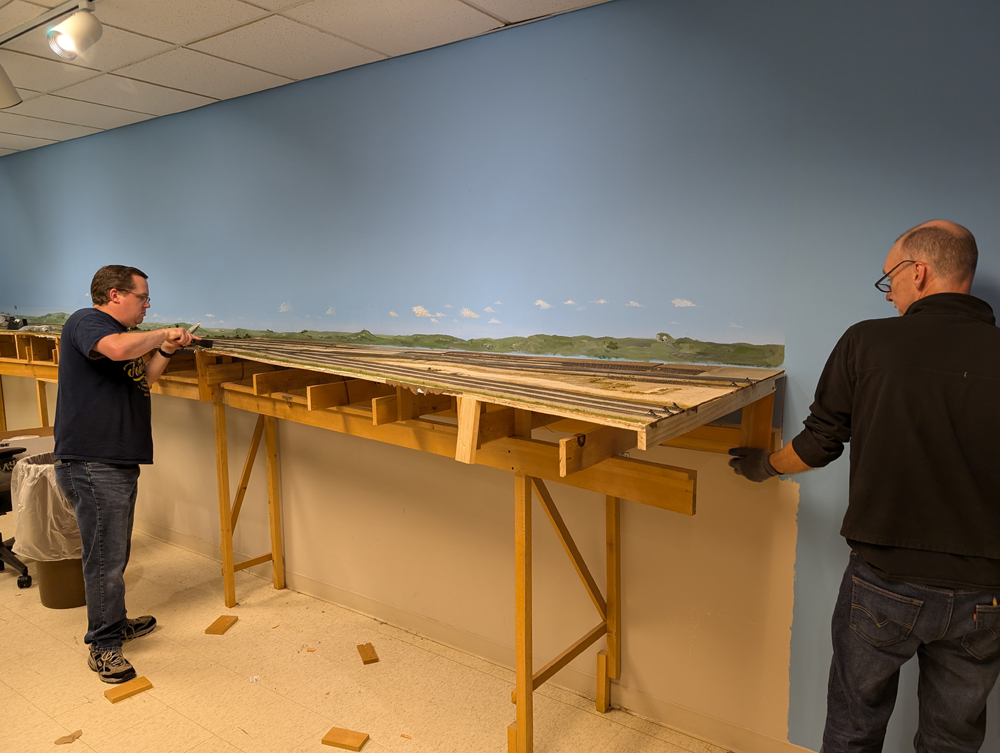
Benchwork is the foundation of a model railroad. Sturdy benchwork and you have a solid base for your layout’s life. But if you use subpar wood, problems will arise sooner or later. But what wood do you use to build sturdy benchwork? Where do you get it? This is everything you need to know about […]
Read More…
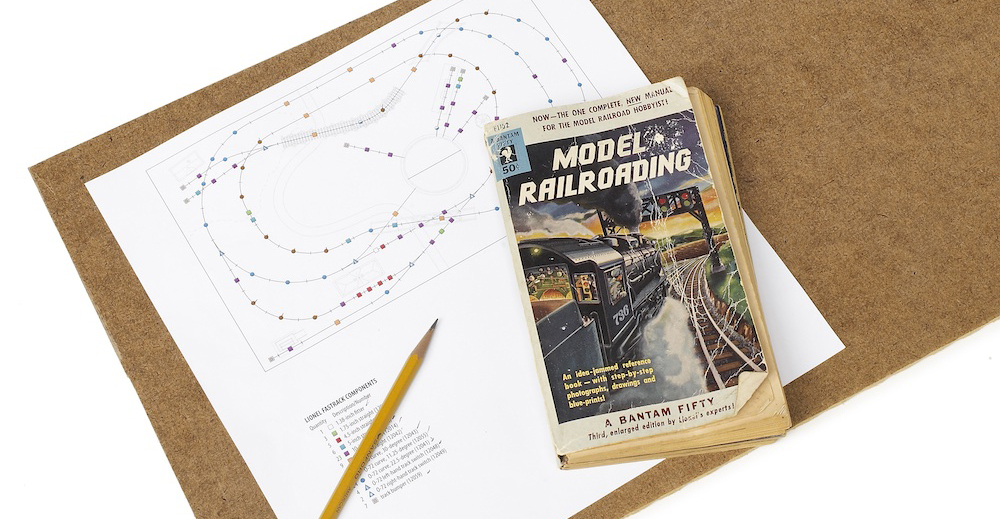
Through many years and experiences, I’ve come to appreciate the wide range of interests our hobby has to offer. I’ve repaired and restored vintage Lionel locomotives, custom-painted entire train sets, and even researched the history of Lionel’s Super O trackwork. Although these activities are still exciting, they don’t compare to the thrills I’ve had operating […]
Read More…